

Advantages of Fly-In African Safaris: Save Time, See More
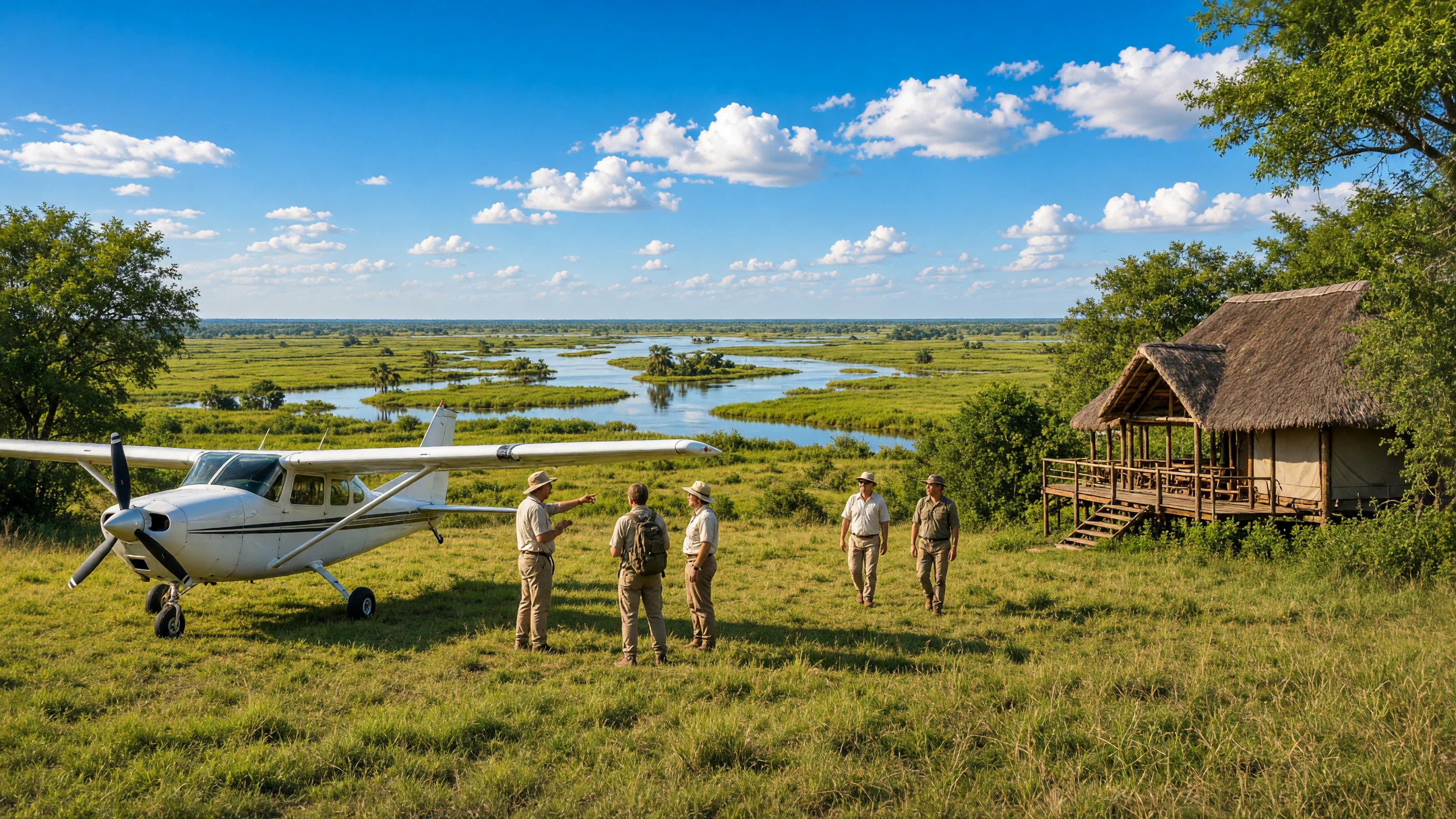
You land at a dirt strip in the Okavango Delta at about four in the afternoon, step down onto grass that has been mown by the camp's groundskeeper, and are handed a cold towel before your bag has left the hold. Ninety minutes earlier you were in Maun. The transfer cost is included in the nightly rate, and nobody has asked you to help push.
Flying between camps is the single biggest change you can make to a safari itinerary, and it's the reason so many people who've done one driving trip come back and book a flying one. The advantages of fly in African safaris are not really about saving time, though they do that too. They're about what happens to a journey when the long, dusty middle section is removed.
What a light aircraft actually does for your week: the advantages of fly in African safaris
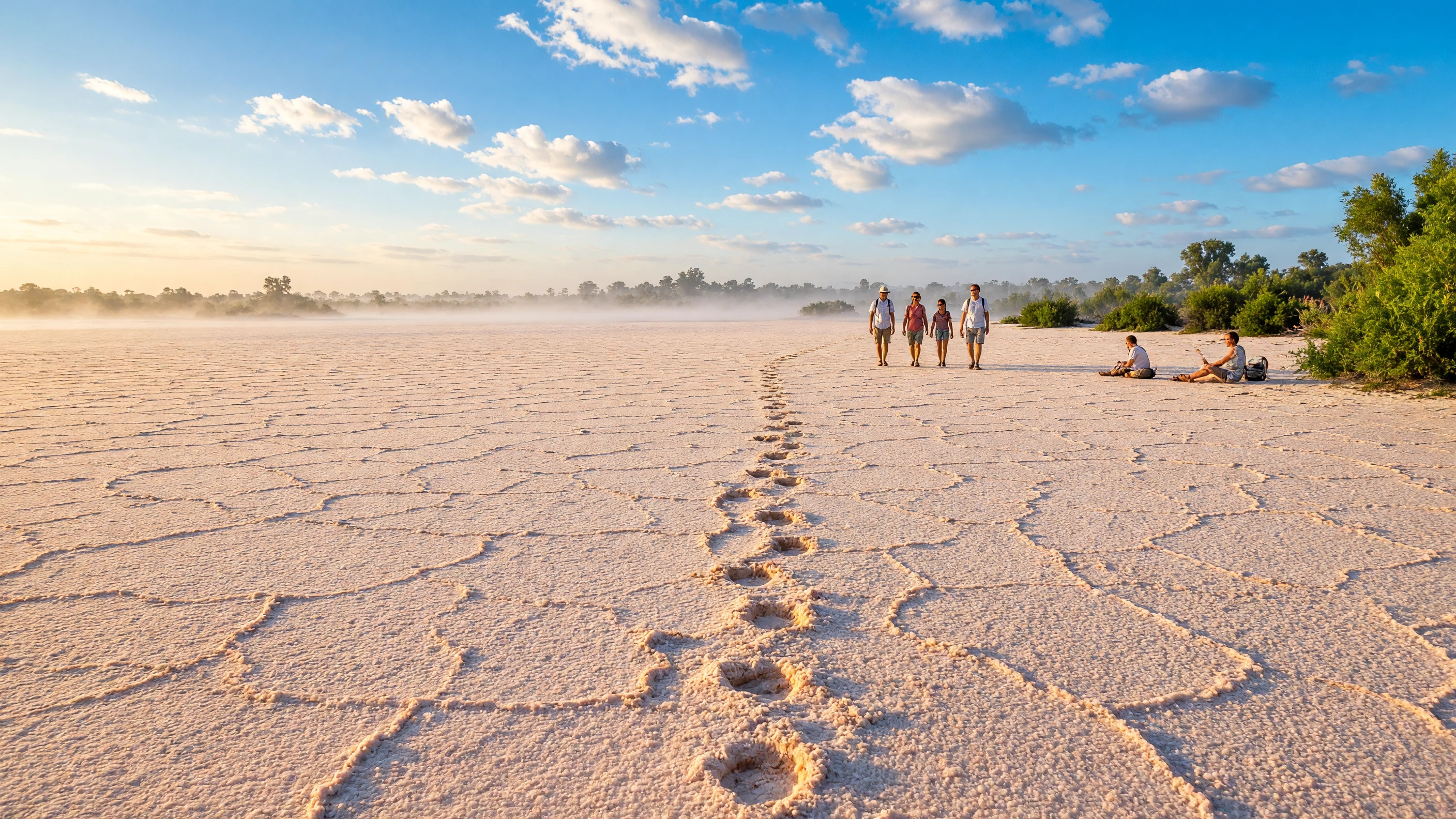
Road transfers in Botswana or Tanzania eat hours. A drive from the Makgadikgadi pans down to the Delta can take seven hours on a surface that shakes loose every filling in your head. The same hop in a Cessna Caravan takes fifty minutes, and you spend them looking at elephant tracks braided across a salt pan instead of watching for cattle on the verge.
Practical arithmetic matters here. If you have ten nights, two road days of six hours each cost you a fifth of your holiday. Flights give that time back. It isn't glamour so much as bookkeeping: you're buying daylight.
Then there's the aerial view, which is the part nobody quite prepares you for. From 1,500 feet the Okavango shows its whole shape at once: channels, pale grass islands, floodwater spreading out across the Kalahari sand. You see the scale of the flooding and the single dry road that serves the whole eastern side. I've flown the same route in June and in September, and the water had moved several kilometres between them. You can't read that from a vehicle.
There's also the matter of remoteness. The camps worth the money tend to sit where vehicles can't easily reach: the western Panhandle, the Linyanti marshes, the northern Serengeti near the Mara River. Airstrips make those places viable. Without them you'd be limited to whatever lies within a two-hour drive of a gate.
The plane doesn't just move you. It changes which places exist for you at all.
Health and stamina deserve a mention too. Long corrugated drives are tiring in a way that surprises people, particularly in the heat of October. Arriving by air leaves you fresh enough for an afternoon game drive, which is not a small thing when you've paid for the drive.
How the flying safari actually works, day to day
Most itineraries string together three or four camps, each with its own strip. You'll be weighed with your luggage at the start, discreetly but genuinely, because the baggage allowance on a light aircraft is usually 15kg in soft bags, sometimes 20kg on the larger Caravans. That's a hard limit. If you turn up with a 23kg hard-shell case, it either goes into storage in Maun or Nairobi or it flies at a freight rate that makes people wince.
The flights themselves are short, typically 20 to 45 minutes, and they run on a loose schedule built around camp pickups. You'll often share the aircraft with guests from another lodge. Pilots are usually young and building hours, and they know the rivers and the herds better than you'd expect. Ask them about the fires. Ask about the water. They're good company and they've seen the country from a perspective most guides haven't.
One small correction to something I said earlier: I described the flights as building around camp pickups, and while that's true of the smaller operators, the scheduled charters between the main hubs run closer to timetable, with departures at set times through the morning. It varies by company and by season.
Where you sit matters less than you'd think. The Caravan is high-winged, so everyone has a view down. In a smaller six-seater you might be asked to sit in a particular place for weight and balance, and there's no arguing with that. I'd hedge on which side gives the better photographs, because it depends entirely on the route and the sun. Some pilots will tell you. Some won't.
A word on the strips themselves. They're grass, gravel or murram, sometimes cut out of bush and sloping more than feels reasonable. Landing on one is an experience. Take-off is better.
What you notice after two or three sectors is how much of the day stays yours. A road transfer of five hours ends with everyone quiet and gritty and ready for a shower. A forty-minute flight ends with you in a vehicle on the way to a hide, still in the same clothes, with the afternoon intact. That's the part repeat guests talk about, more than the view from the window.
When flying makes less sense
There's a version of this trip that doesn't need wings at all. If you're going to the Sabi Sand or the Maasai Mara's central conservancies, the road network is good, the distances short, and a drive transfer between lodges can be done in under two hours. Flying there saves you forty minutes and costs you a charter fee. Nobody sensible does it.
The other consideration is the cost. Internal charters in Botswana can run to several hundred dollars per sector, and they're usually bundled into the package rather than quoted separately, which makes comparison shopping difficult. Ask for the flights to be itemised. If a lodge won't itemise, that tells you something.
I once spent a long wait at a dusty strip near the Namibian border with nothing to read and a warm bottle of water, watching a maintenance crew argue about a wheel. Nothing happened for two hours. It's not a cautionary tale, just a thing that happens sometimes and which most brochures don't mention.
You should also think honestly about small aircraft if you're a nervous flyer. There's turbulence over the escarpment in the afternoon, and a six-seater in thermals is not a wide-body. Morning flights are smoother. If you know you'll hate it, say so before you book and the itinerary can be built differently.
Packing and timing for a flying itinerary
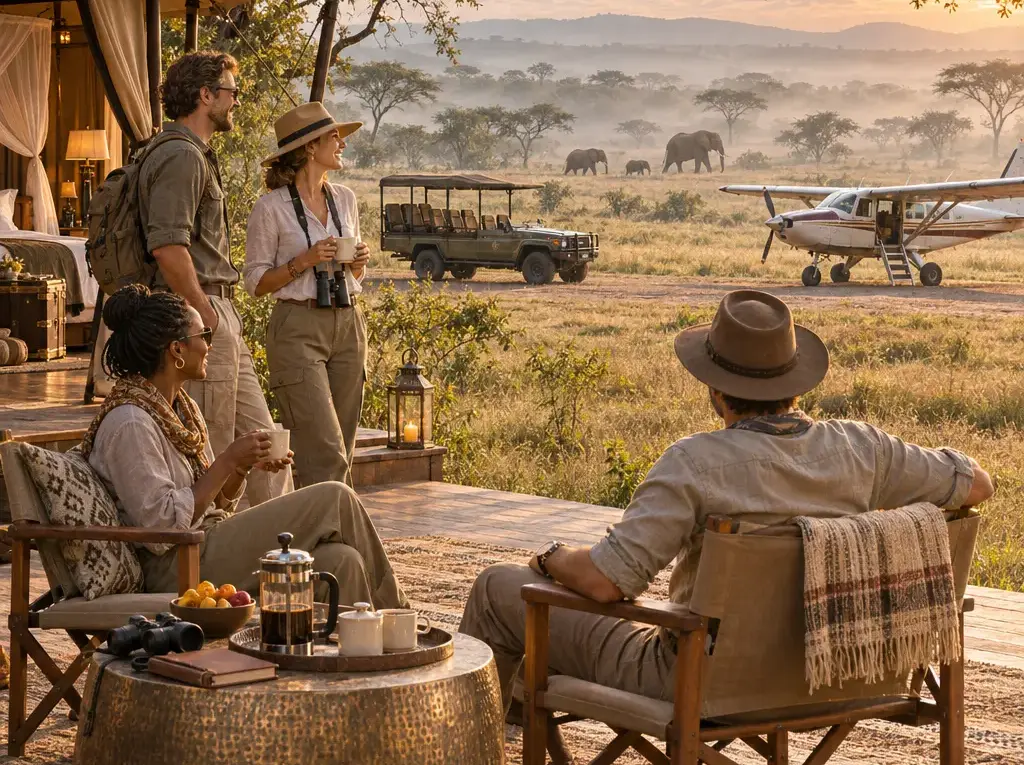
Soft bags, 15kg, and a decent pair of binoculars that stay round your neck rather than in the hold. Laundry is included at nearly every camp worth the name, which changes the packing calculation completely: four shirts, not eight. Neutral colours. A fleece for the early flights, because it's cold at 6am at 4,000 feet even in Botswana in July. The camps themselves are used to the limits and keep a stock of spare soft bags behind reception for guests who've overshot, which is a small courtesy that saves a lot of arguing at the strip.
Book the flying version of a trip for the dry season if you want the aerial views at their best, roughly June to October in the Delta, though the green season from January has its own appeal and lower rates. The floods peak in the middle of the dry months, which sounds backwards and isn't.
- Baggage: 15kg soft bag, sometimes 20kg; confirm with each operator.
- Typical sector: 25 to 50 minutes, three to five sectors in a ten-night trip.
- Best light: early morning flights, both for smooth air and for photographs.
- Ask for: an itemised flight cost in the quote.
- Leave behind: hard cases, drones, and anything over the limit.
There's a rhythm to a flying safari that a driving one can't match. You wake, you game drive, you eat, you fly, you arrive somewhere new by tea. The country changes under you rather than beside you. By the fourth camp you've stopped thinking of the plane as transport and started thinking of it as the thing that lets the trip keep moving without wearing you out.
Worth saying plainly: the flying safari is the more comfortable way to see several ecosystems in one trip. It is also the more comfortable way to see several ecosystems without spending half your holiday in a vehicle. The two sentences say the same thing, and I'm leaving both in, because the point bears repeating.
Guides will tell you the bush looks different from above, and they're right, though I'd resist the temptation to make that the whole reason. The real gain is the camp you reach on the third day, the one with the lagoon in front and the elephants coming down at dusk, which you'd never have got to by road without losing a day at each end of the stay.
One last thing about the light. Late afternoon flights put you over the floodplain when the shadows are long and the water goes copper, and you'll want the window seat on the shaded side. The pilot will know which one that is. There's a laminated card in the seat pocket showing the emergency exits, and the laminated card is usually older than the aircraft.