

African Big Game Safaris Explored: Best Reserves & Seasons
The safari industry in East and Southern Africa runs on a handful of animals. Elephant, lion, buffalo, leopard and rhino make up the Big Five, a term coined by trophy hunters in the nineteenth century and now used by tour operators the world over. What that designation actually delivers on the ground varies enormously from one reserve to the next, and the differences matter more than most brochures let on. African big game safaris explored properly means looking past the checklist and into the particulars of terrain, season and scale.
Where the big game actually lives
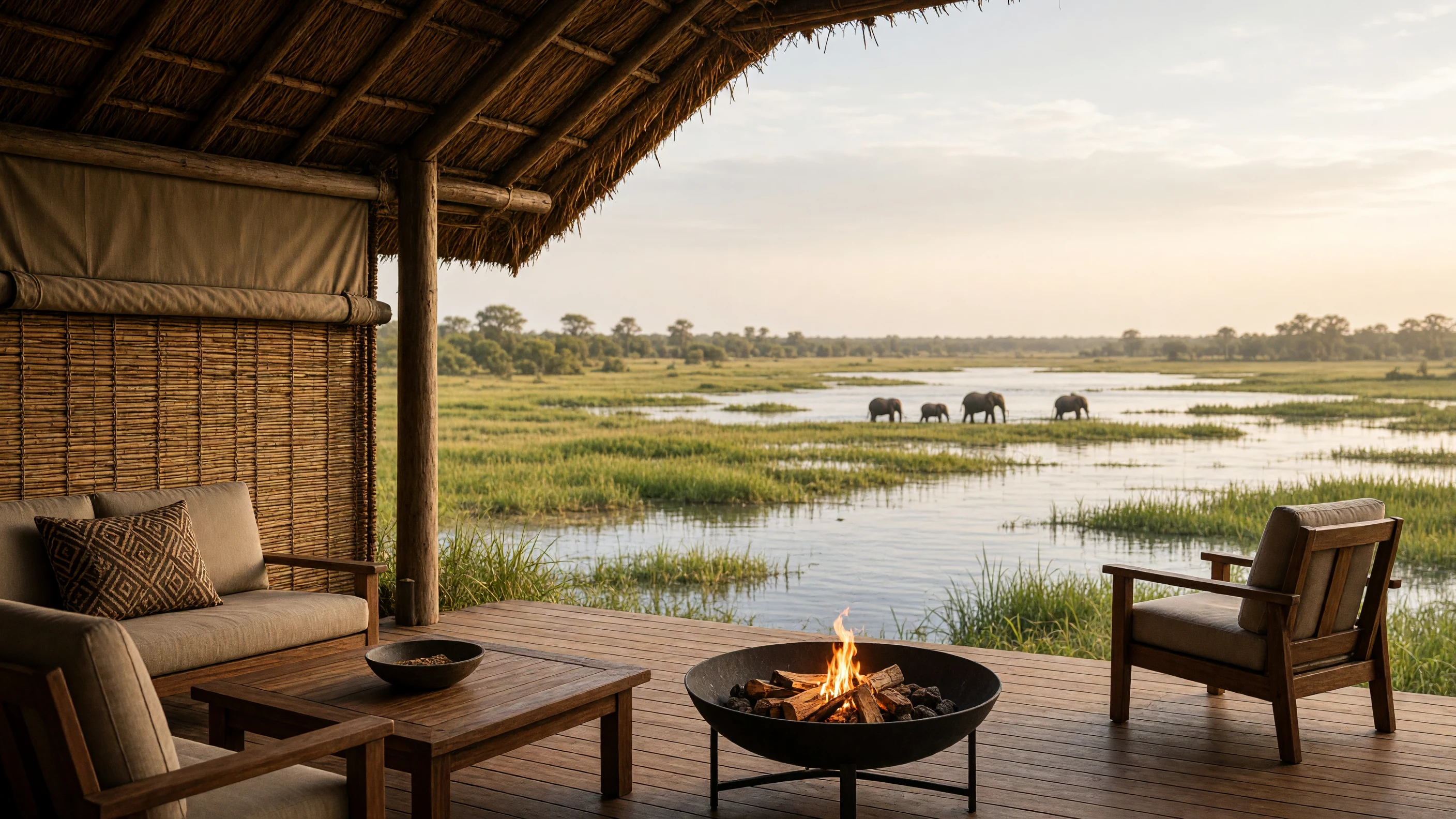
Botswana's Okavango Delta floods every year between June and August, when meltwater from the Angolan highlands arrives and turns 15,000 square kilometres of Kalahari sand into a maze of channels. Elephant herds move in by the thousand. You'll see them from a boat, which is quieter than a vehicle and gets you closer without the animals caring much. The water level peaks in July. By September the flood has begun to drop and the game concentrates along the remaining channels, which is when the predator viewing sharpens considerably.
Kenya's Maasai Mara runs on a different clock. The wildebeest arrive from the Serengeti in July and cross the Mara River in numbers that defy easy description, though the crossings themselves are unpredictable and no guide can promise one on any given day. What is reliable is the density of lion. The Mara holds one of the highest concentrations of lion per square kilometre anywhere in Africa, and a three-night stay in the conservancies bordering the reserve will usually produce multiple sightings of pride groups with cubs.
Tanzania's Ruaha is the largest national park in the country and receives a fraction of the visitors that the Serengeti does. It's dry, rugged and full of elephant, with baobabs that look older than they probably are. I'd hedge on the exact figure for its elephant population because aerial surveys vary year to year, but the herds are substantial and the river valley in the dry season draws them in from a wide radius.
South Africa's Kruger is the easiest big game destination to reach from Europe or North America. Direct flights land at Nelspruit, and from there it's a two-hour drive to the southern gates. The trade-off is traffic on the main roads and a booking system that rewards those who plan a year ahead. If you want solitude you go to the private concessions on the western boundary, where off-road driving is permitted and the vehicles carry six passengers rather than twelve.
What you'll actually see
Leopard sightings depend on trees. In the Sabi Sand, leopards are habituated to vehicles and often stay put on a branch while three or four Land Cruisers arrange themselves beneath. In the Luangwa Valley in Zambia, they're shyer and you'll do well to see one at all in a week. Nothing is guaranteed. That's the thing about big game: it moves on its own schedule, and the best guides will tell you so on the first evening.
Rhino is a different proposition. Black rhino numbers across Africa hovered around 6,000 in recent surveys, most of them in Namibia, South Africa and Kenya. White rhino are more numerous but heavily poached in KwaZulu-Natal. Seeing either in the wild requires either a well-protected private reserve or a national park with armed patrols, and some lodges will include a rhino tracking walk with a ranger as part of the programme. It's a slower, more deliberate activity than a game drive and involves walking through bush while reading tracks.
Buffalo come in two moods, and both are worth watching. The old bulls, past breeding age, drift alone or in small bachelor groups near water and are famously unpredictable. The herds run to several hundred animals and move in a block across open grassland. In the Okavango in September, the buffalo herds are among the largest in Africa, with some counts running past 1,000 head in a single sighting.
Elephant viewing is more consistent than any of the others. A herd will spend eighteen hours a day eating, which means they're rarely out of sight once you've found them. Chobe in northern Botswana has the highest concentration of elephant in the world, with estimates running between 50,000 and 130,000 depending on the season and the survey method.
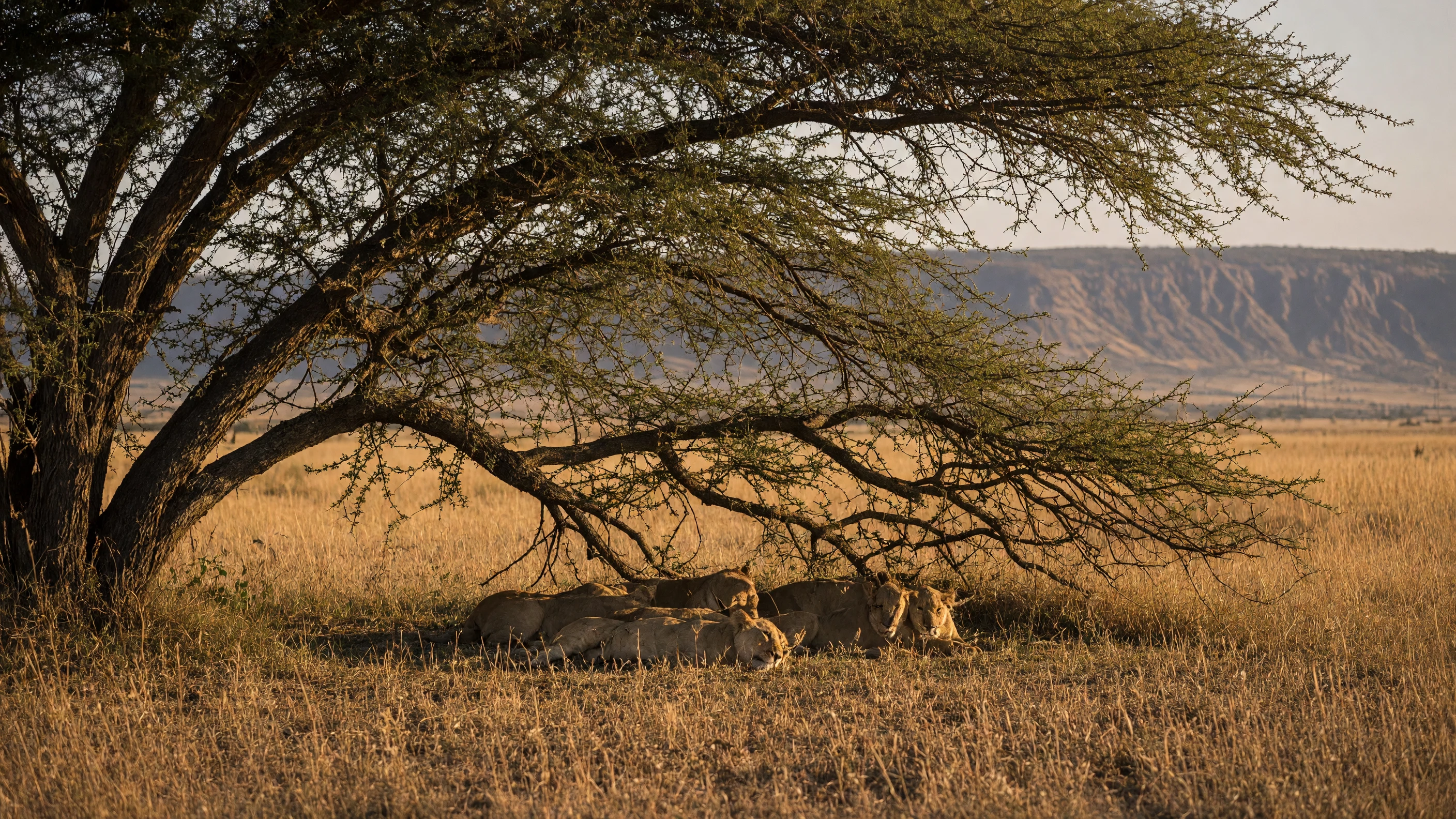
Lion are the most straightforward of the five to find, simply because they don't hide. A pride will sleep through most of the day in the shade of an acacia, and the guides know where the resident prides are. Early morning and late afternoon are the productive hours. The middle of the day belongs to lunch and a nap, which is the correct rhythm on safari anyway.
Guides, vehicles and the shape of a day
The quality of a safari comes down to the guide, more than the lodge, more than the food, more than the thread count on the sheets. A good guide reads the ground, knows the individual animals in his territory and will tell you when he doesn't know something. He'll also know when to stop talking. The best ones I've travelled with have a habit of cutting the engine and letting the bush fill the silence.
Walking safaris are where the smaller details emerge. On foot in South Luangwa you notice the smell of a recent kill before you see it, and you learn to read the bush in a way that's impossible from a vehicle. Groups are typically limited to six walkers with an armed scout. The pace is slow. A morning walk might cover three kilometres and take three hours, and it will show you things a game drive passes at speed.
A typical day starts before dawn with tea and a biscuit, out by half past five, back by nine for breakfast. Then a long rest through the heat of the day. Afternoon tea at half past three, out again until the light goes at half past six, then dinner at eight. It's a rhythm that suits some people and ruins others. If you're a night owl, the early starts will be an adjustment.
Seasons, costs and the case for going in the shoulder months
The dry season runs from June to October in most of Southern and East Africa, and that's when the game concentrates around water and the bush thins out. It's also the peak season, with peak prices to match. High-season rates at a good tented camp in the Okavango run to £1,200 a night per person, all in. The green season, from November to March, brings rain, lush grass and lower rates. Rates can drop by 40 per cent, and the birdlife in the green season is extraordinary even if the big game is harder to spot in the thicker vegetation.
January and February in the Luangwa Valley are hot, with daytime temperatures in the mid-thirties and humidity to match. Many camps close. But the few that stay open offer game viewing that's quieter and greener, and the predators are easier to find because the grass is shorter in the areas that flood.
A week in the Mara or the Sabi Sand, all flights and transfers included, comes to around £5,000 to £8,000 per person at peak. A comparable week in Ruaha or the Luangwa falls closer to £3,500. The difference isn't quality. It's simply demand. Fewer people have heard of the Luangwa, and that's partly what keeps it good.
Choosing the right combination
One reserve for a week is a mistake. Big game is mobile, and a single area can have a bad week. The standard approach is to combine two or three camps in different ecosystems over ten to twelve days: a wetland, a savannah and a river valley, say. That gives you three chances at each species and three entirely different landscapes to look at, which matters more than you might think after the fourth day of flat grassland.
Botswana's combination of the Okavango and the Linyanti is hard to beat for elephant and buffalo, with lion in the mix. Kenya's Mara paired with Amboseli gives you lion and elephant below Kilimanjaro, though the mountain is often in cloud. Zambia's South Luangwa and the Lower Zambezi offers the best walking safari in Africa followed by the best canoe safari, which is a fine pairing if you're comfortable on water.
What you should not do is spread yourself too thin. Three camps in seven days means six flights, three packing sessions and very little time actually in the bush. Ten days is the minimum for a two-camp trip worth the airfare, and twelve is better.
Some practical notes
Malaria is present in most of the big game areas, with the exception of the high-altitude parts of South Africa. Prophylactics are a matter for your GP and worth sorting out six weeks before you travel. Yellow fever certificates are required for entry into some countries if you've been in an endemic zone. Check the current rules for each country rather than relying on a forum post from three years ago.
Binoculars matter more than a camera with a long lens. A decent pair of 8x42s will do more for your enjoyment than a 600mm zoom, and you'll use them constantly. Bring two pairs if you're travelling as a couple.
Luggage on light aircraft is restricted to 15 to 20 kilograms in a soft bag. This is enforced. A hard-shell case will not fit in the pod of a Cessna Caravan.
The other thing worth knowing is that the best guides book out months in advance. If you want a specific guide at a specific camp in July, you should be planning in the previous October. The good ones are worth waiting for, and the difference between a competent guide and a great one is the difference between a checklist and an education.
Booking through an operator with ground relationships in multiple countries is easier than assembling a trip piece by piece, and most will handle the internal flights and transfers that would otherwise eat a day of your holiday. The bush telegraph between camps is reliable, and a good operator will move you if a sighting is happening elsewhere.
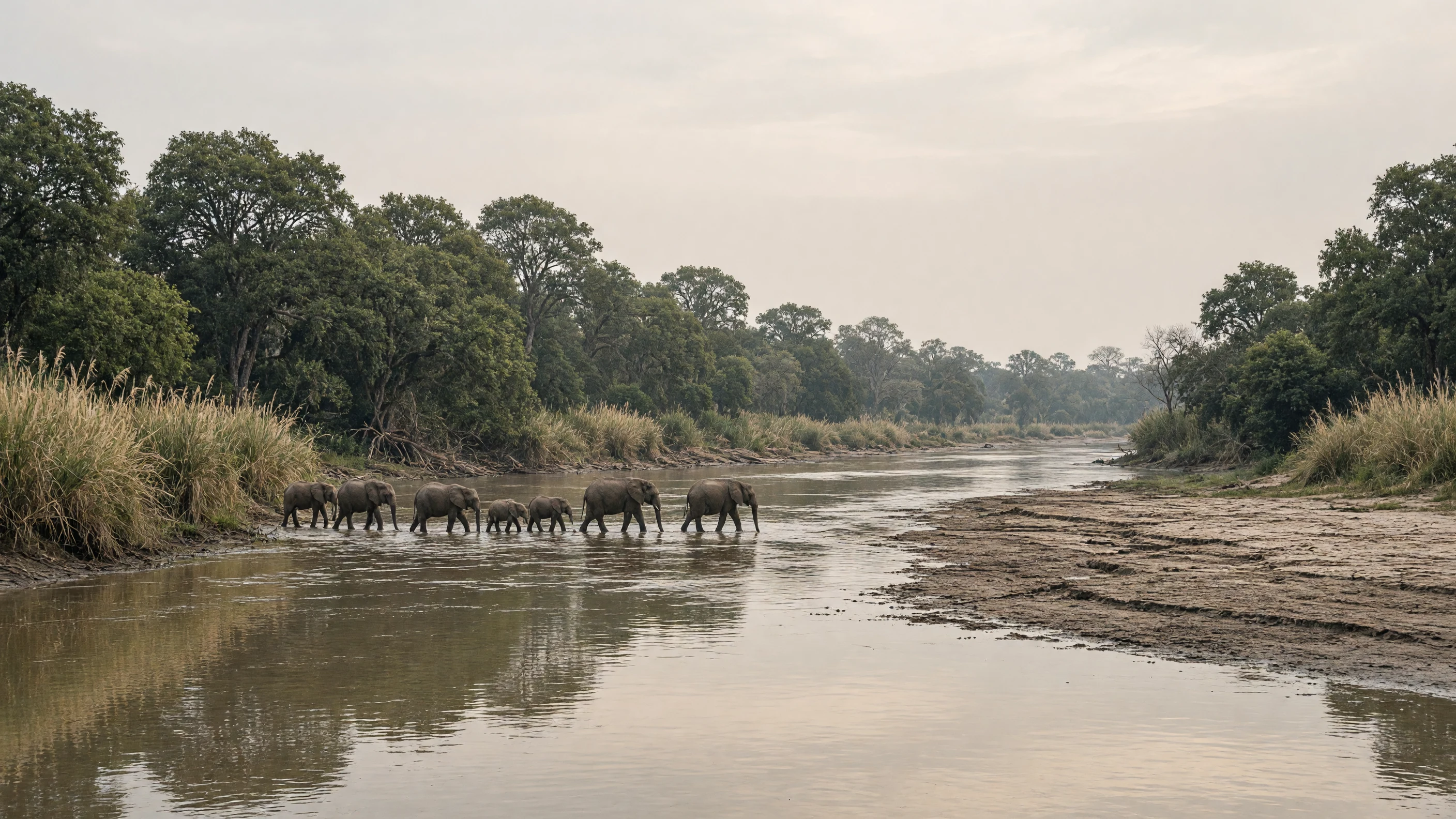
In the Luangwa the late afternoon light gives the dust a copper colour, and the elephants walk through it in single file.