

Gorilla Tracking Holidays in Africa: Uganda vs Rwanda
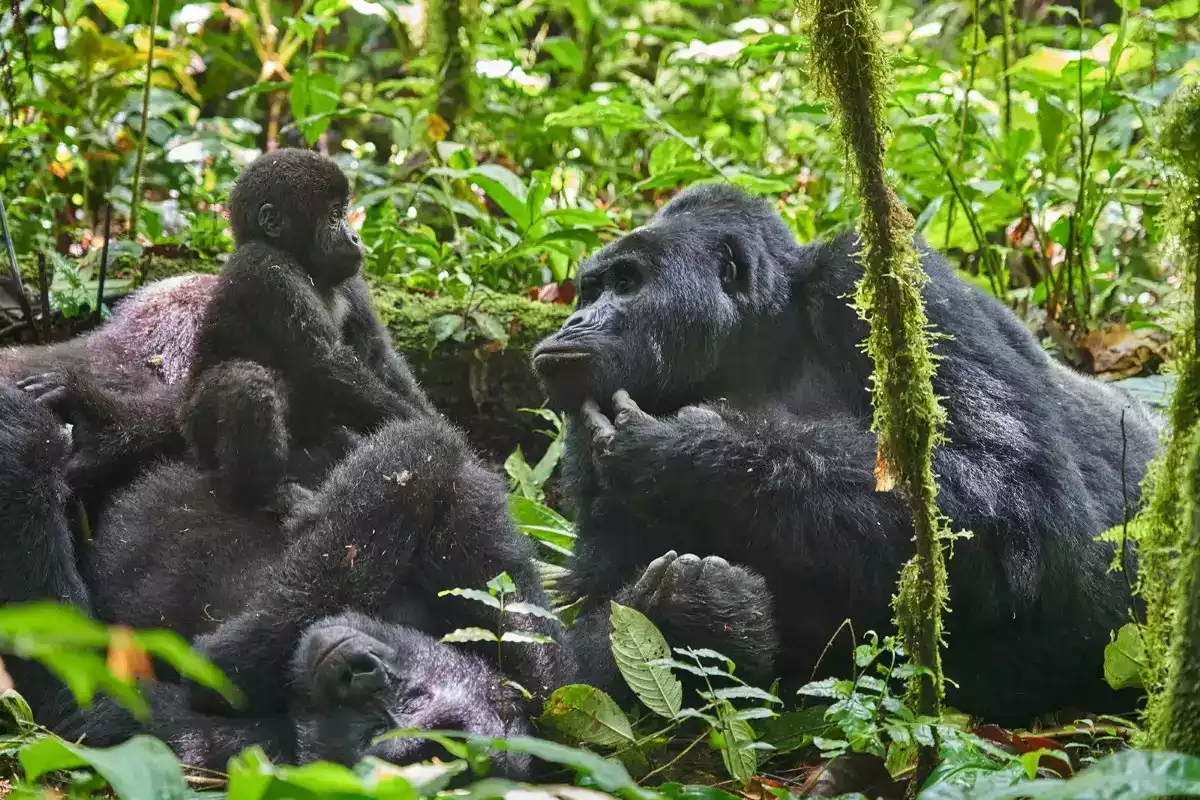
Gorilla tracking holidays in Africa run on a permit system, and the permit decides almost everything else. Uganda sells them for $800; Rwanda charges $1,500. You buy the date before you book the flight, because a permit for a given morning exists or it doesn't, and no amount of planning makes one appear. The whole trip arranges itself around that single piece of paper.
Two populations of mountain gorilla are open to visitors, and they sit in different countries on different volcanoes. Uganda's Bwindi Impenetrable National Park holds the larger share, with habituated groups scattered across four trailheads. Rwanda's Volcanoes National Park works from a single base at Kinigi, under the Virunga peaks. Either delivers the same hour with the same animals. The differences are in the getting there, the cost, and how the day before feels.
What a gorilla tracking holiday in Africa actually involves
You wake before light. At Bwindi's Buhoma sector the rangers gather everyone at 7.30am, check passports against permits, and split the group by fitness and preference. Tell them honestly whether you want a short walk or a long one. Then the trackers who went out at dawn radio in the last known position of your assigned family, and you drive or walk to the trailhead nearest that point.
The walking is not technical. It's steep, sometimes muddy, often through nettles that bite through thin trousers, and it lasts anywhere from 40 minutes to six hours depending on where the gorillas slept. Porters wait at the gate and will carry your bag for 20,000 Ugandan shillings, about £4. Hire one. The pace is set by the slowest person in the group, and that person is usually fine, because the rangers build in pauses.
Then the forest opens and there they are. You get one hour. The clock starts when the first gorilla is in sight, and the rangers enforce it, because that hour is the permit's whole value and the next group is waiting. A silverback might be ten metres away, stripping bark. A juvenile might tumble down a slope past your boots. The hour goes quickly. It always goes quickly.
Group size is capped at eight visitors per family, one visit per day. That limit is why permits are scarce and why you book months out, six at a minimum for high season, and longer if you want a specific date in July or August. Trackers, rangers and porters outnumber you several times over, and the fee you paid funds their wages and the park's patrols. Poaching arrests in these parks have fallen sharply since tourism money arrived, which is the argument for going rather than staying away.
Uganda: Bwindi and the four sectors
Bwindi covers 331 square kilometres of steep, folded forest, and the gorilla families are spread across it. Buhoma, on the northern edge, has the widest range of lodges and the shortest access to several families. Nkuringo, on the southern side, is the steepest and the most physically demanding. Ruhija sits high and cold. Rushaga has the most families and the busiest trailhead.
Most people fly into Kigali and drive across the Cyanika or Katuna border, a five to six hour transfer to Buhoma, or take a small plane to Kihihi airstrip and shorten it. Entebbe to Kihihi is about an hour in the air. The road from Kihihi to Buhoma takes another 90 minutes on murram, and the last stretch has ruts deep enough to slow a Land Cruiser to walking pace. Nobody minds. The forest is already visible above the tea.
The drive itself has a rhythm worth knowing about before you commit to it. You pass through small trading centres where the roadside is stacked with matoke and jerrycans of passion fruit, and the tar gives out into red murram about an hour past Kabale. Dust comes in through the vents. Keep a bandana in the door pocket. By the time you reach the park gate the temperature has dropped several degrees and the air smells of wet leaf litter.
Do two treks if you can afford the time, on consecutive days, ideally in different sectors. The second is better. You're calmer, you know what the hour feels like, and you spend less of it fumbling with your camera. One trek is enough to see gorillas; two is enough to watch them.
Rwanda: the Virunga slopes from Kinigi
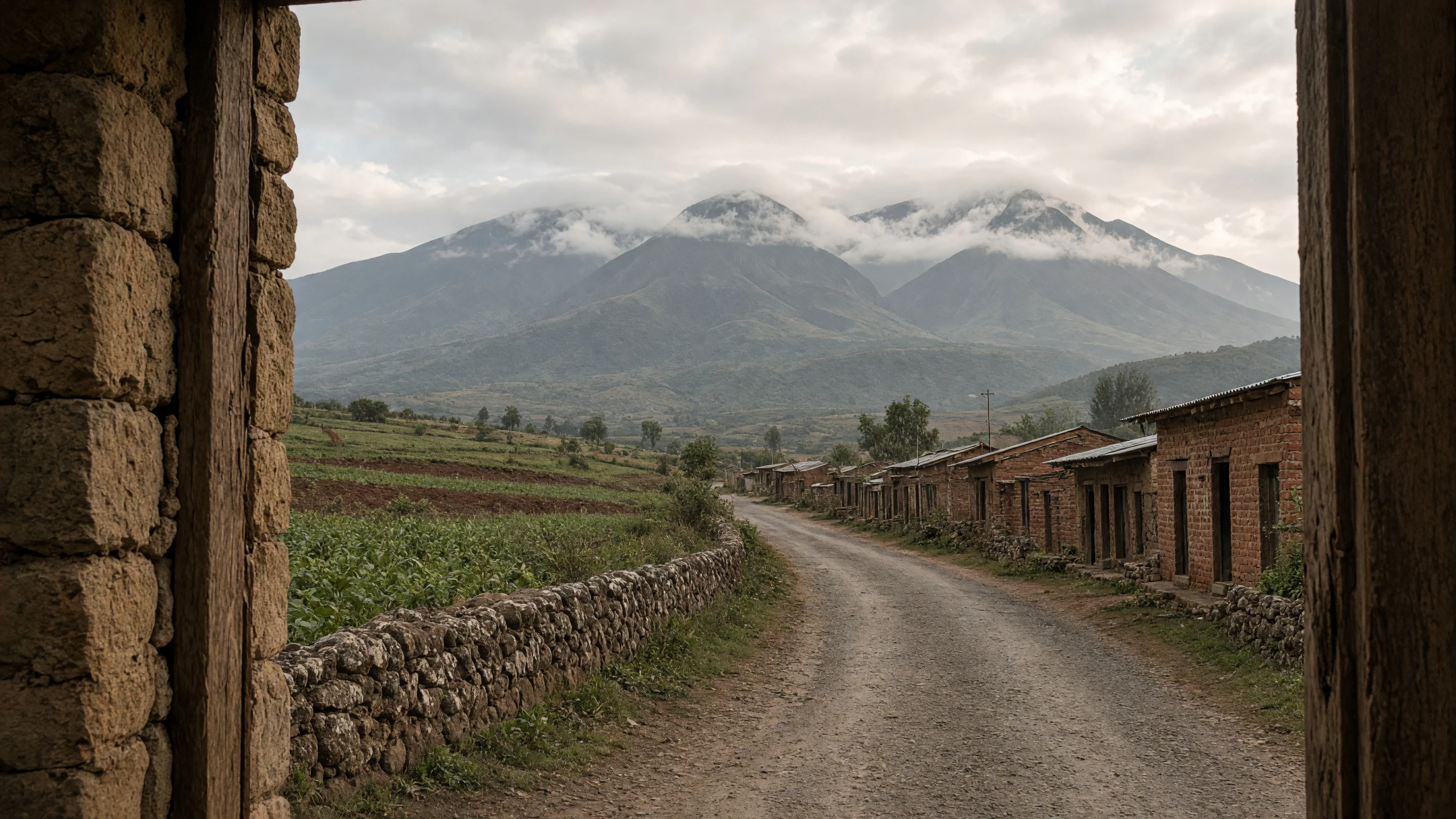
Rwanda's operation is tighter and more expensive. Kigali to Kinigi is a two and a half hour drive on good tarmac, and the country's reputation for efficient logistics holds up on the ground. You'll be at the briefing at 7am, and the walk to the park boundary is on farmland with potato fields and stone walls, then into bamboo and Hagenia forest. The families sit higher on the volcanic slopes, and the altitude starts at around 2,500 metres, so the walking feels harder than the Uganda version even where the distance is similar.
The permit costs nearly double the Ugandan one. You're paying for the shorter transfer, the smoother roads and the fact that Rwanda's park authority has built an operation that rarely goes wrong. Whether that's worth $700 more per person depends on what you value. If you're combining gorillas with a longer East African itinerary, and you want Kigali's airport, its hotels and a two hour drive, the premium buys you time and predictability.
Rwanda also offers a cultural visit to the Ibyiwacu community and a golden monkey trek on the same permit system, at a fraction of the gorilla price. Both are worth half a day. The golden monkeys are quick, acrobatic and much harder to photograph than the gorillas, which is a fair warning.
I'm not certain the altitude argument holds for everyone. Some people barely notice 2,500 metres; others feel it on the first slope. Fitness matters more than either country's reputation suggests, and neither park is a gentle walk.
When to go, and what the seasons do to the walking
June to August and December to February are the dry seasons, and they're the busiest. The trails hold up better and photography is easier in the clearer light. The trade-off is that permits sell out far in advance and lodges charge their peak rates.
The rainy months, March to May and September to November, bring fewer visitors, lower lodge prices and green, misty forest. The walking gets harder. Trails turn to mud, the nettles are worse, and gorillas are often lower on the slopes because there's food everywhere. Low season doesn't mean cheap permits; the fee is fixed year-round. It means cheaper beds and more room at the briefing. Some people prefer it. I'd take a wet March in Buhoma over a crowded July if the permit allowed.
The gorillas themselves don't migrate or move far. Each family stays within its home range, which the trackers know to the hectare. That's why the rangers can tell you at 7.30am how far you'll walk that day. It's also why no two treks feel the same: different families, different slopes, different weather, different luck with how visible they choose to be.
Rain changes the gear list more than the itinerary. A light shell that packs into its own pocket earns its place, and so do gaiters if you own a pair, though most people just resign themselves to wet socks by the second hour. The lodges are used to drying boots overnight and will do it without being asked.
Where to stay and how to build the rest of the trip
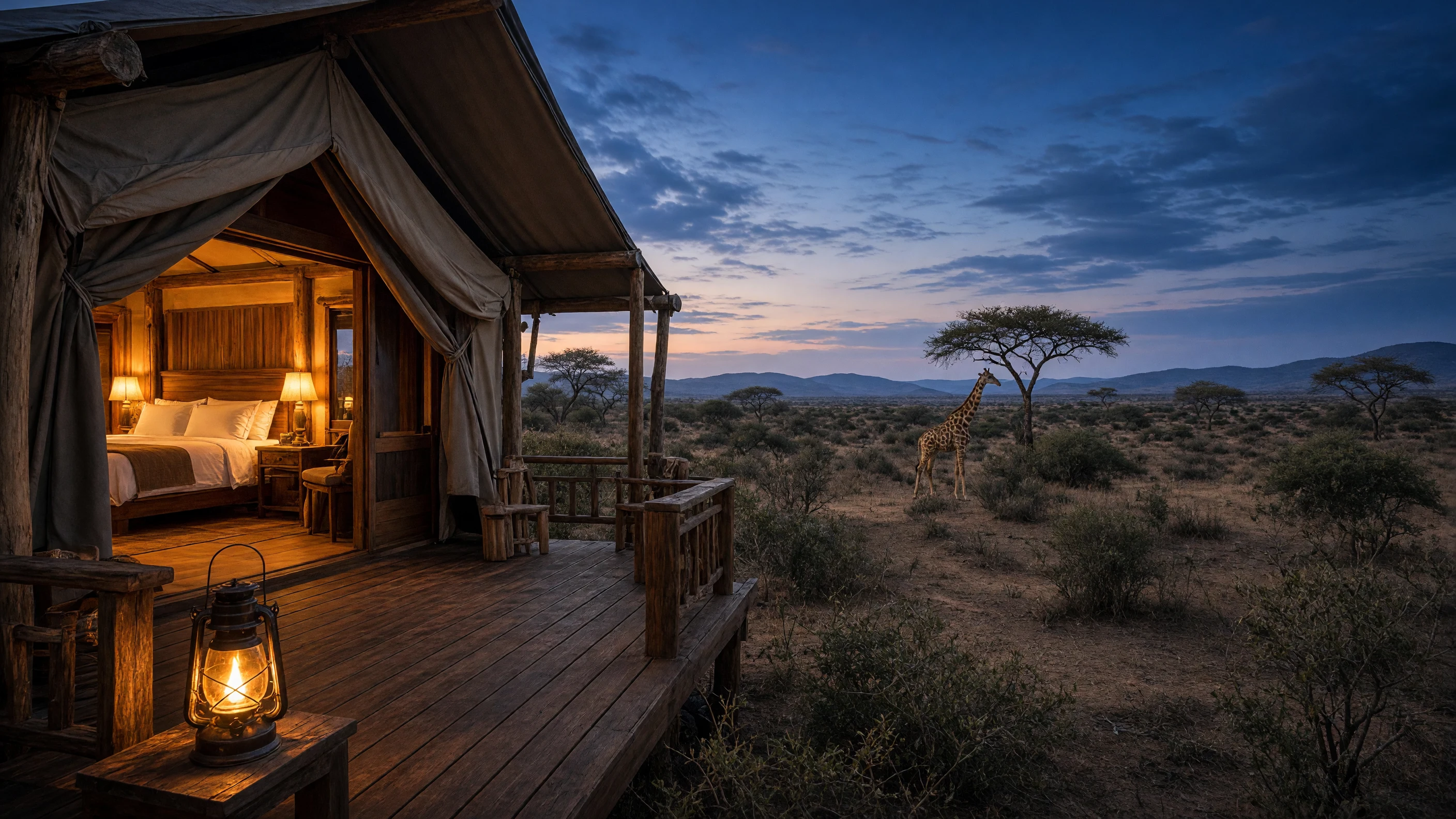
Lodges near Bwindi range from simple bandas at $80 a night to full-service forest camps at $600 and up. The middle is where most people land: a comfortable room, a hot shower, a fireplace in the evening and a dining room that serves dinner at 7.30 because everyone's exhausted. Kinigi's lodges run higher, matching Rwanda's general price level.
You can combine gorillas with a longer safari without much strain. Fly Entebbe to Kihihi, trek in Bwindi, drive to Queen Elizabeth National Park for two nights of elephants and the Kazinga Channel boat, and finish in Kampala. Or go the other way: Kigali, Kinigi, then a drive to Lake Kivu and a slow few days before flying home. Both work. Neither needs more than ten days.
A small digression: the tea plantations below Buhoma sell loose leaf at the factory gate for a few thousand shillings, and it's better than anything you'll find in the airport. I bought two kilos and gave most of it away. It sat in my cupboard for a year before I remembered it was there.
What you won't get, in either country, is a guarantee of a clear view. Gorillas sit in vegetation. They move behind trees. A family can be forty metres away in a gulley, visible only as a black shape, and that's still a trek that counts. The rangers won't push them for a better photograph. The hour is theirs as much as yours.
Binoculars are worth packing for the rest of the trip, but for the gorillas themselves you'll want a camera with a decent zoom and no flash. Flash is forbidden outright. So is pointing, coughing near them, and standing when they approach; you stay low and let them pass. The rules feel fussy until you watch a silverback glance at a group of humans and decide you're not interesting, which is when the fussiness makes sense.
Book through an operator who holds permits rather than one who promises to get them. The difference matters when a date is gone. Ask for the permit numbers before you pay the balance. Ask which sector you're in. Ask what happens if the trek is cancelled for weather or park reasons, because refunds are rare and reschedules aren't always possible on a short trip.
Gorilla tracking holidays in Africa are not cheap, and the fee is the smallest variable once flights and lodges come in. What you're buying is an hour you'll describe badly for years afterwards, to people who weren't there. The permit is the only part that has to be right.
Pack a second pair of trousers for the trek. The nettles go through the first pair and you'll want dry ones for the drive back to Kihihi.