

Luxury Safari Resort Lodges in Africa: Expert Guide
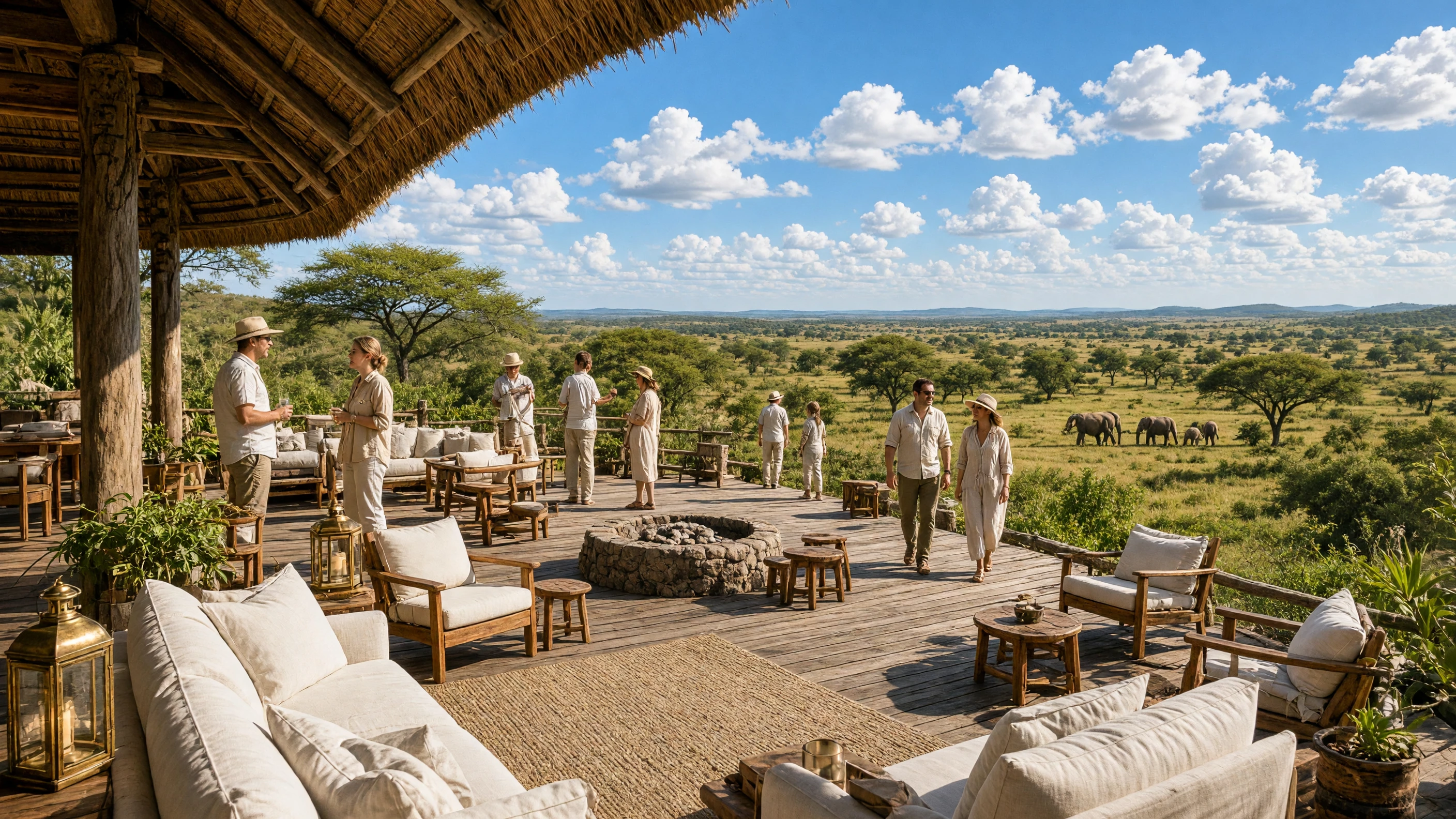
Most luxury safari resort lodges in Africa sit inside private concessions, which means your guide can leave the vehicle and walk you towards a herd without waiting for permission from a park office. That arrangement changes what a day looks like. You wake at half five to the sound of hadeda ibises, drink coffee poured from a steel pot, and spend the first hour of light watching a leopard decide whether to come down from a fig tree. The lodges that hold these concessions are few, and the good ones fill their calendar eleven months ahead, so the planning matters as much as the destination.
What separates a genuinely good lodge from a very expensive one comes down to three things you can't see in a brochure: the qualifications of the guiding team, the ratio of staff to guests, and whether the concession is large enough to avoid other vehicles on a sighting. On a ten-thousand-hectare private reserve in Mpumalanga, you might share a lion kill with two other vehicles at most. On a busy stretch of the Kruger, it can be fifteen. Ask before you book. Reputable operators will tell you without hesitation, and the good ones volunteer it unprompted.
Botswana: water and silence in the Okavango Delta
The Okavango Delta is a river that never reaches the sea, fanning out across the Kalahari until it simply evaporates, and the lodges built along its channels operate in a rhythm set by floodwater rather than by the calendar. When the floods arrive from Angola in June and July, the water-based activities open up: mokoro canoes poled by guides who have grown up on these channels, small boats for birding, and walking safaris on the islands that sit above the waterline.
Chief's Island and the Moremi Game Reserve hold the densest concentrations of wildlife, and the lodges there tend to be small, with six to twelve rooms. You'll find plunge pools set into the deck, outdoor showers under a leadwood tree, and dinners served by lamplight because there's no generator running after ten. The guiding here is exceptional: many senior guides hold Botswana's Level 3 licence, which requires years of assessed field experience, and their knowledge of bird calls alone will keep you occupied for a week.
Dry-season game viewing from July to October is outstanding for elephant, buffalo and lion. The trade-off, if you're travelling in peak season, is that you'll want to book well ahead. Shoulder months in April and November offer better rates and greener landscapes, though the big herds are more dispersed.
South Africa: luxury safari resort lodges in Africa's most accessible bushveld
If you're flying long-haul from Europe or North America, the Sabi Sand reserve bordering the Kruger is the most practical introduction to luxury safari resort lodges in Africa: a ninety-minute charter flight from Johannesburg, then a twenty-minute drive on a sand track to your gate. The reserve is famous for leopard, and the sightings are close, often within ten metres of the vehicle. It's not unusual to spend forty minutes with a female and her cubs while she scans for impala.
The lodges here range from the famous and expensive to the quietly excellent. What they share is a level of service that feels more like a private house than a hotel: your butler learns how you take your coffee by day two, the ranger remembers you wanted to see a pangolin, and the tracker reads the sand for spoor you'd walk straight past. Rooms typically come with air conditioning, a private deck, and a plunge pool, which matters more than you'd think when it's thirty-eight degrees by mid-morning.
A word on the schedule. Game drives run early and late, with a long middle stretch of the day when the animals are resting and so should you. Lunch is served at one, tea at four, and the evening drive leaves at half four with a stop for sundowners at a waterhole. It's a rhythm that takes a day to adjust to. After that it becomes the only sensible way to live.
Kenya: the Maasai Mara and the great migration
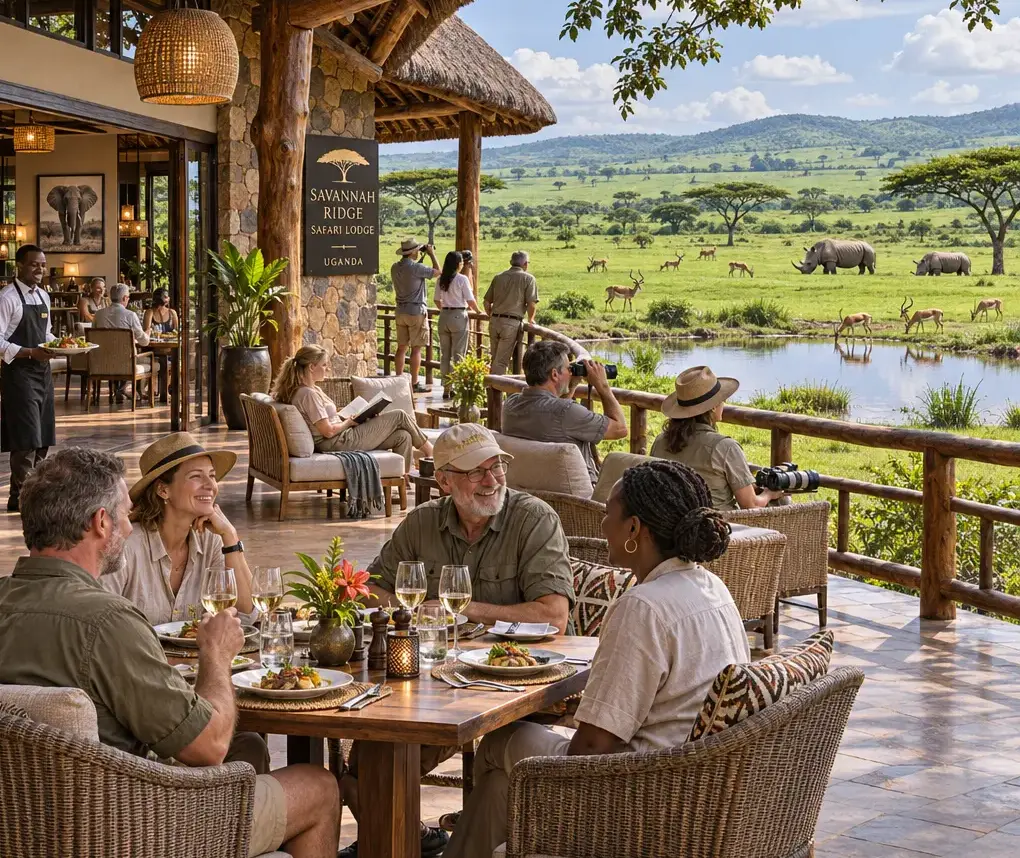
The Maasai Mara operates on a different scale from the southern reserves. The conservancies bordering the national reserve, such as Mara North and Olare Motorogi, host a fraction of the vehicle traffic and allow night drives and walking safaris, which the national park itself does not. From July to October the wildebeest migration moves through, and the river crossings at the Mara and Talek are genuinely extraordinary to witness, though you'll share the main crossing points with other vehicles during peak weeks.
Many of the camps here are tented, but the word understates what you get: canvas walls, hardwood floors, a copper bath, and a veranda looking out over grassland where giraffe browse at eye level. The guiding culture is strong, with many senior guides coming from the local Maasai community and bringing a depth of knowledge about the landscape that no training course can replicate. Ask about the conservancy fee structure, which supports local landowner leases and community projects. It's a meaningful part of what you're paying for, and worth understanding.
Hot-air balloon flights leave at dawn from a handful of launch sites, and the hour-long drift over the plains, followed by a bush breakfast with sparkling wine, is the kind of experience most guests remember as the highlight of the trip. It's expensive, around 550 US dollars a person, and worth it once.
Zambia and Zimbabwe: the quieter side
South Luangwa in Zambia is where walking safaris were pioneered, and the lodges along the river offer a different pace from the classic drive-based model. You spend the morning on foot, following a guide through miombo woodland, learning to read tracks and alarm calls. It's slower. It's less about ticking off species and more about understanding how the bush works. The guiding here is among the best anywhere in Africa, and the camps tend to be small and remote, with a real sense of being far from anything.
In Zimbabwe, Mana Pools allows walking safaris on the floodplain alongside elephants and buffalo, a privilege that few parks permit. The lodges are low-key and comfortable rather than luxurious in the resort sense, and the guides are exceptional. The trade-off is that infrastructure is more limited and the season shorter, but for experienced safari-goers, it's often the one they return to.
Planning the trip
Peak season across most of southern and East Africa runs from June to October, when the bush is dry, the grass short, and the game concentrated around water. Rates reflect it. A high-end lodge in the Sabi Sand or Okavango will run between 1,200 and 2,000 US dollars per person per night, all-inclusive of meals, drinks and activities. Shoulder season, roughly April to May and November, offers better value and equally good game viewing in many areas, though the weather is less predictable.
Three nights at a single lodge is a minimum, and four is better. Moving between more than three lodges in a two-week trip becomes a logistics exercise rather than a holiday. Book at least nine months ahead for peak season, longer if you're targeting a specific lodge during the migration. Flights between camps are typically small Cessnas with a luggage limit of fifteen kilograms in a soft bag, which is worth knowing before you pack the hard-shell suitcase.
Malaria prophylaxis is worth discussing with your travel doctor for most of these destinations, and yellow fever certificates are required for entry to some countries if you're arriving from an endemic zone. Travel insurance covering medical evacuation is essential. The good lodges will help arrange the logistics, but it's your responsibility to have the paperwork in order.
Packing: neutral colours, layers for cold mornings, a hat with a wide brim, binoculars you actually know how to use, and more memory cards than you think you'll need. Dawn and dusk give you the best light of the day in the bush, and you'll regret not having spare storage. Leave the drone at home; most reserves prohibit them outright.
The best thing about staying at a serious lodge, rather than a mid-range camp, is the small stuff: the hot water bottle slipped under your duvet during the evening drive, the coffee delivered to your tent at five, the guide who notices you're interested in birds and quietly adjusts the whole week around it. You'll notice these details more than the thread count.
One final thought. The lodges that impress most are rarely the ones with the longest wine list. The ones that stay with you are where the manager knows your name by the second evening and the tracker spots a chameleon on a night drive. You'd never have found it on your own. Those are the things you'll talk about on the flight home.
The lodge in the Sabi Sand keeps a resident pair of greater bushbabies in the rafters of the main deck, and they come out at dinner to investigate the bread basket.