

Safaris in Masai Mara: A Practical Guide
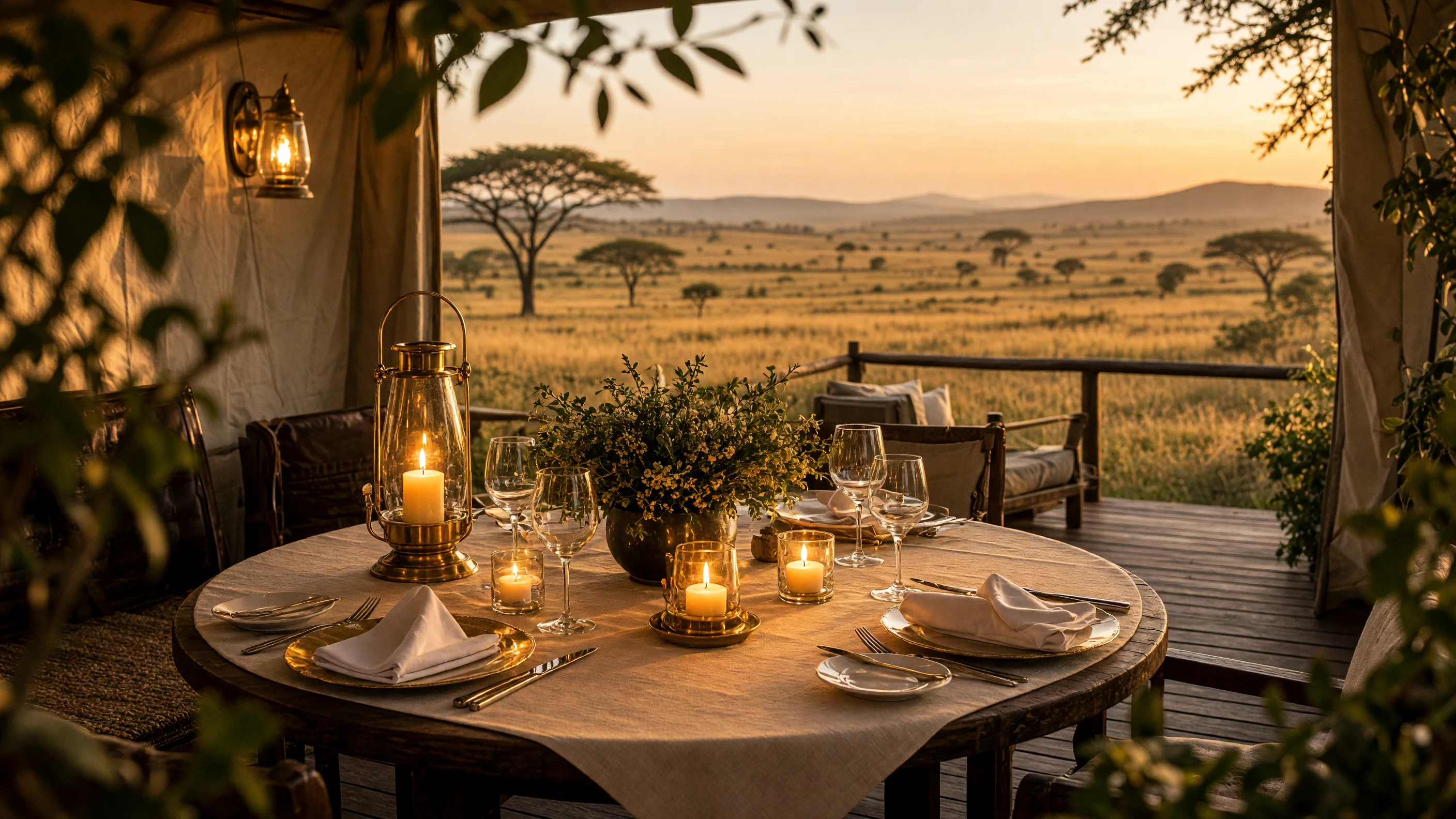
The Maasai Mara reserve covers about 1,510 square kilometres in south-west Kenya, and the greater ecosystem that surrounds it, including the conservancies and adjoining group ranches, adds another 5,000 or so to the figure. Safaris in Masai Mara run year-round, though the reserve changes character almost completely between June and October, when the wildebeest herds arrive from the Serengeti, and the quieter months that follow.
Most visitors fly into one of the airstrips rather than drive from Nairobi. The road takes five to six hours on a good day, and considerably longer after rain has worked at the murram surface. A light aircraft from Wilson Airport covers it in forty-five minutes. That is worth the fare if your time is short.
Game viewing here is concentrated along the Mara River and its tributaries, where resident lion prides hold territories and the flat-topped acacia woodland gives way to open grassland. Leopard sightings are less reliable than in the conservancies to the north, though they happen. Cheetah are reasonably common on the short-grass plains in the early morning, when the light is low and the cats are still active.
Planning a safari in the Masai Mara around the migration
The migration itself is harder to pin down than the brochures suggest. The herds cross the Mara River at points that shift from season to season, and the famous crossings can happen at any hour, or not at all on a given day. I'd hedge on any operator promising you a river crossing on a specific date. What is dependable is the volume of animals on the plains from July through September: wildebeest in the hundreds of thousands, zebra mixed among them, and the attendant predators following the food.
Outside that window, the reserve settles into something calmer. January and February bring short dry spells and good concentrations of plains game, and the grass is shorter, which makes finding cats easier. April and May are the long rains, when some camps close and the tracks turn to soup. Rates drop accordingly. If you don't mind an afternoon downpour and a bit of mud on the vehicle, the green season is genuinely rewarding and considerably cheaper.
Travelling in July means paying peak rates and sharing sightings with a dozen other vehicles at a lion kill. That is simply how it works in the main reserve. The conservancies bordering the reserve limit vehicle numbers and allow off-road driving and night drives, neither of which is permitted inside the national reserve itself. The trade-off is cost: conservancy camps typically run several hundred dollars a night more than comparable reserve accommodation.
Where to stay for safaris in Masai Mara
Accommodation divides into camps inside the reserve, camps in the bordering conservancies, and a handful of lodges on the reserve's edge. Inside the reserve you're closer to the river crossings and can be out at first light without a gate queue. The conservancies offer fewer vehicles per sighting, walking safaris, and a share of their fees going directly to the landowning communities. Both models work; the choice comes down to whether you prioritise proximity or exclusivity.
Camp standards vary widely. A mid-range tented camp will have flushing toilets, hot water on request, and a solar charging point in the mess tent. The top end adds plunge pools, proper baths, and a butler. I'd argue the middle tier is where the value sits, since you're paying for the guiding and the location far more than the thread count.
Booking well ahead matters for the peak season. Camps with eight to twelve tents fill six to nine months out for July and August, and the best guides are often the reason a camp is full rather than the décor. Ask specifically who will be driving you. A guide with fifteen years in the reserve will find you a leopard in the long grass. A trainee will drive past it.
What a typical day looks like
Days start early. Coffee and a biscuit at half five, out by six, and back for a late breakfast around ten. The middle of the day is for resting, swimming if the camp has a pool, and sorting photographs. Then out again at four for the golden hours, returning after dark with a spotlight sweeping the roadside for genets, bushbabies, and the occasional aardvark.
Full-day drives with a packed lunch are possible and often worthwhile if you want to reach a distant part of the reserve. Sitting under a fig tree with a sandwich while a herd of elephants passes a hundred metres away is not a bad way to spend an afternoon. It's tiring, though, and the light between noon and three is flat for photography.
Walking safaris are only available in the conservancies. An hour on foot with an armed guide changes how you read the bush: tracks, droppings, the alarm call of a francolin. It's a slower pleasure than a game drive, and one worth making time for.
Costs, logistics, and a few honest pointers
Expect to pay $350 to $600 per person per night at a solid mid-range camp in peak season, all meals and game drives included. Conservancy rates run from $700 upward. Park fees are usually built into the quote but check, because they add roughly $80 to $200 per person per day depending on the season and whether you're in the reserve or a conservancy.
Visas are handled online before travel, and yellow fever certification is required if you're arriving from an endemic country. Malaria prophylaxis is sensible; the Mara sits at around 1,500 metres, which reduces but doesn't eliminate the risk. Pack layers. Mornings on an open vehicle are cold enough for a fleece and a scarf, and the temperature can swing twenty degrees by midday.
Binoculars are worth bringing. Most camps have a pair in the vehicle, but they're shared and often scratched. A decent 8x42 will serve you better than the camp's.
One practical note: the reserve's internal tracks get heavily rutted in the wet months, and a two-hour drive to a sighting can turn into three. It's the single most common reason itineraries slip. Nothing dramatic, just something to build slack into your plans for.
Which brings me to a small correction on the park fee figure above: the current rate for non-resident adults in peak season is closer to $100 per day for the reserve itself, with conservancy fees charged separately by each conservancy. I've seen quotes range widely, and it's worth asking your operator to itemise.
I didn't manage a night drive inside the reserve on my last visit, since they aren't permitted there, and I'd have needed to be staying in a conservancy to do one. Something for next time.
Balloon flights launch at dawn from several points in and around the reserve and cost $450 to $550 per person, breakfast in the bush included. The views over the plains are extraordinary, though the flight is short, around an hour, and the landing can be bumpy. Whether it's worth the money depends on your budget and your tolerance for an early alarm.
Photographers should bring more memory cards than they think they need. A single morning at a river crossing can produce a thousand frames. Bring a beanbag for the vehicle, a cleaning cloth for the dust, and patience for the moments when nothing happens for an hour.
And a word on the communities. Many conservancies are leased from Maasai landowners, and a portion of every bed night goes to them. Visiting a village is possible and can be done respectfully through your camp, though it's worth asking how the fees are distributed before you go.
Children are welcome at most camps, though some set a minimum age of six or eight for game drives. Family tents are plentiful. The pace of a safari, early starts and long periods in a vehicle, suits some children better than others.
The reserve's gates open at six and close at six thirty, and vehicles must be out by then. That rhythm shapes the day more than anything else. If you want the crossings, go in August and accept the crowds. If you want solitude, go in February and accept that the herds will be elsewhere.
Last thing: the camp I stayed in had a resident bushbuck that had learned to loiter near the dining tent at breakfast, and it had a particular fondness for the papaya.