

Top Safari Locations in Africa: The Expert Guide
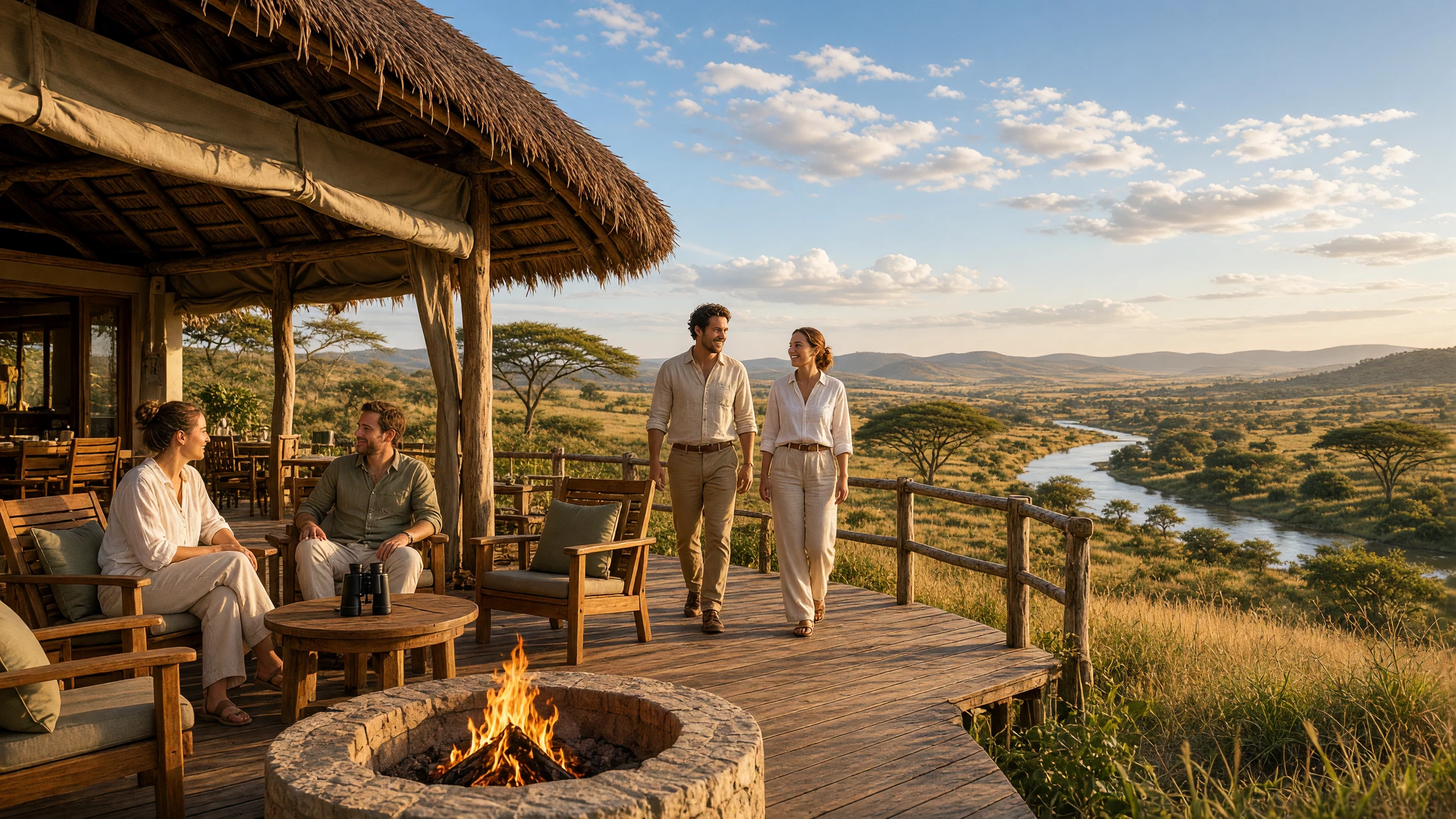
The top safari locations in Africa are not one itinerary but several, and the choice between them sets the character of the whole trip. Botswana's Okavango Delta floods each year across some 15,000 square kilometres of northern Kalahari sand, pulling elephant, buffalo and lechwe onto islands and channels that didn't exist a season before. Tanzania's Serengeti holds the largest land migration on earth, with more than a million wildebeest moving north each June. Kenya's Maasai Mara serves as the northern extension of that same system. South Africa's Sabi Sand packs leopard sightings into a reserve bordering Kruger.
Each area rewards a different kind of traveller, and picking between them comes down to water, season and how much company you'll tolerate at a sighting.
Botswana: the Okavango Delta and Linyanti
Water is what makes the Delta unlike anywhere else. An annual flood arrives in the dry months, having fallen as rain in the Angolan highlands months earlier, and spreads slowly through the channels until the boat, the guide and the mokoro poler standing astern with a pole all happen on water rather than dust. Chief's Island, the largest landmass in the delta, holds good numbers of lion and wild dog. Moremi Game Reserve borders it, and some of the private concessions on its edges restrict vehicles to a handful per sighting.
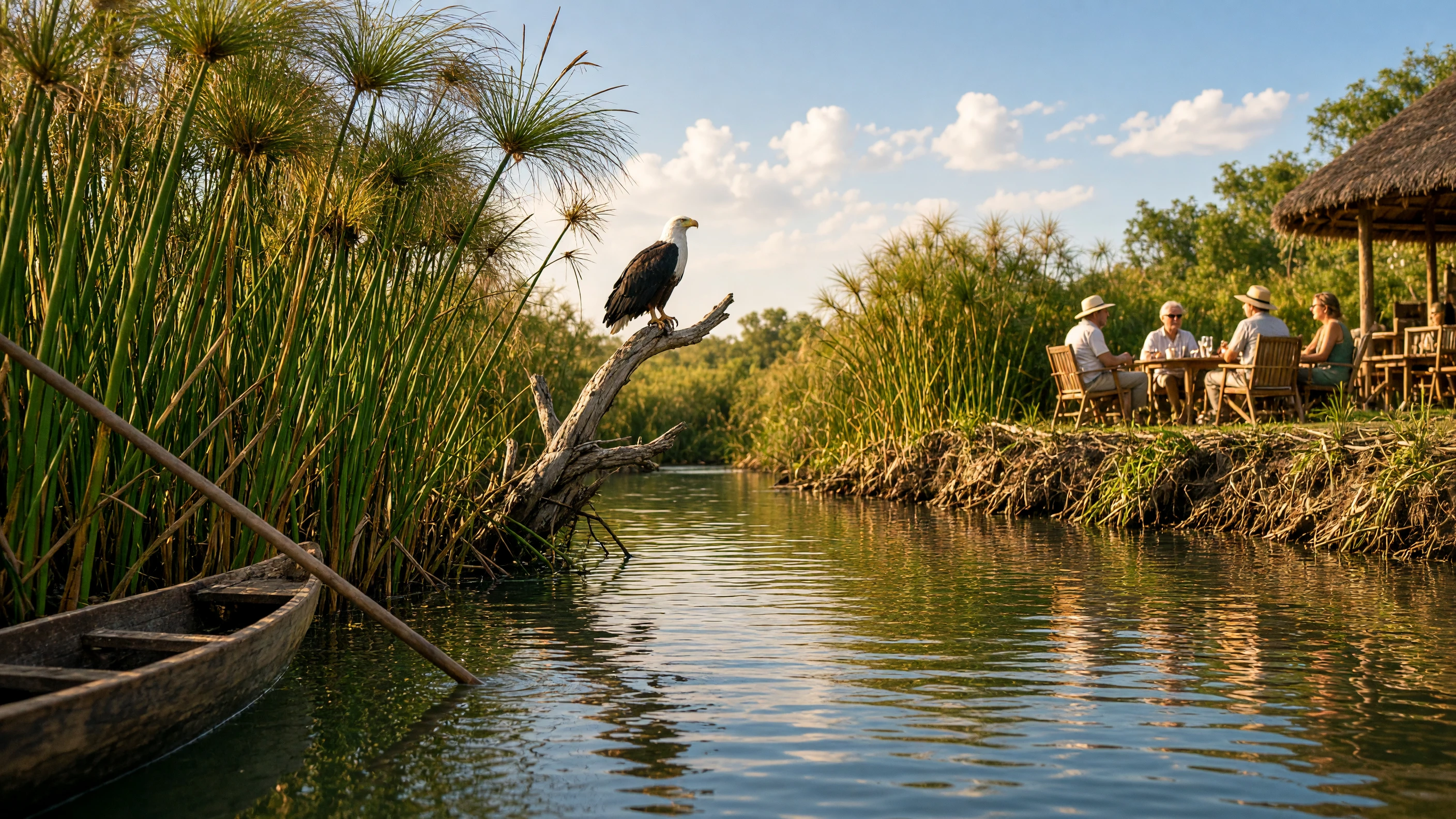
Visitors can expect to move between land and water in the same morning: a game drive at dawn, then an afternoon mokoro trip through reed beds where a fish eagle will be sitting close enough to count the barbs on a feather. Night drives run in the private concessions, not the national park, and they turn up things the day shift misses entirely. Serval cats. Bushbabies. A genet crossing a track at speed.
Accommodation in the Delta divides between permanent lodges on dry ground and tented camps that dismantle entirely at the end of the season. The permanent camps offer ensuite bathrooms, air conditioning in some cases and a plunge pool, which after a 38-degree afternoon becomes a genuinely important feature. The seasonal camps feel more exposed, and guests tend to prefer them for that. Neither is cheap. Botswana operates a high-value, low-volume model, and peak-season rates of $1,200 per person per night are standard at the better camps.
The Linyanti and Selinda reserves sit to the north-east, and they handle a different brief. Large elephant herds move through the reed beds along the Linyanti River in the dry months, and the private concessions are big enough that a morning might pass without another vehicle in sight. The trade-off is a longer light-aircraft transfer and, occasionally, a ride out to the airstrip in a vehicle that has seen better suspension.
Tanzania: the Serengeti and the northern circuit
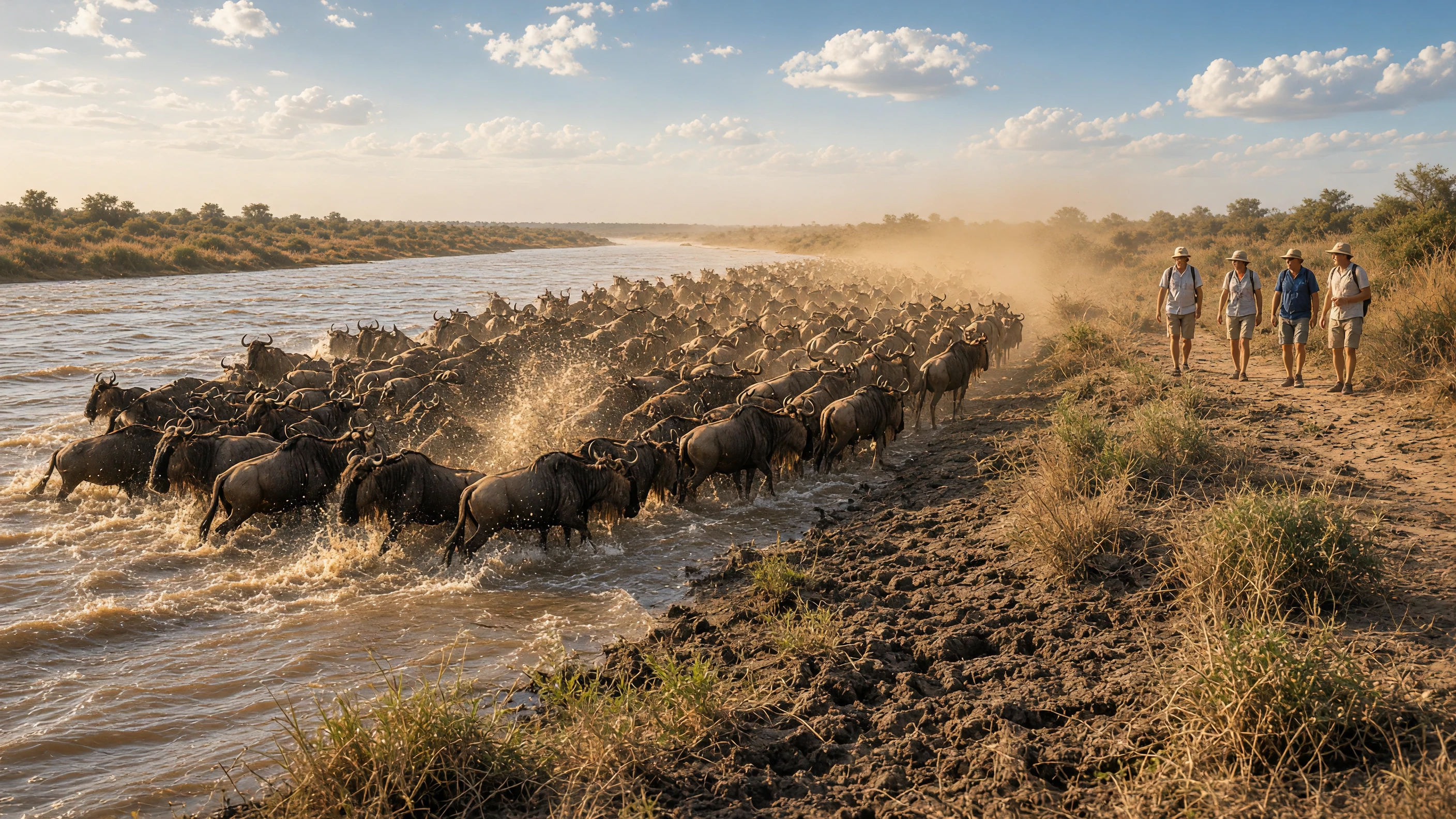
The Serengeti ecosystem runs to about 30,000 square kilometres, and the migration through it is the reason most people come. Roughly 1.5 million wildebeest and several hundred thousand zebra move in a clockwise circuit, calving on the southern plains in February and pushing north towards the Mara River by July. A river crossing is what everyone asks for and nobody can guarantee. Herds gather on the bank, hesitate, turn back, and gather again a day later. When it happens, it happens fast, and the dust and spray and noise of several thousand animals entering a river together is worth the waiting.
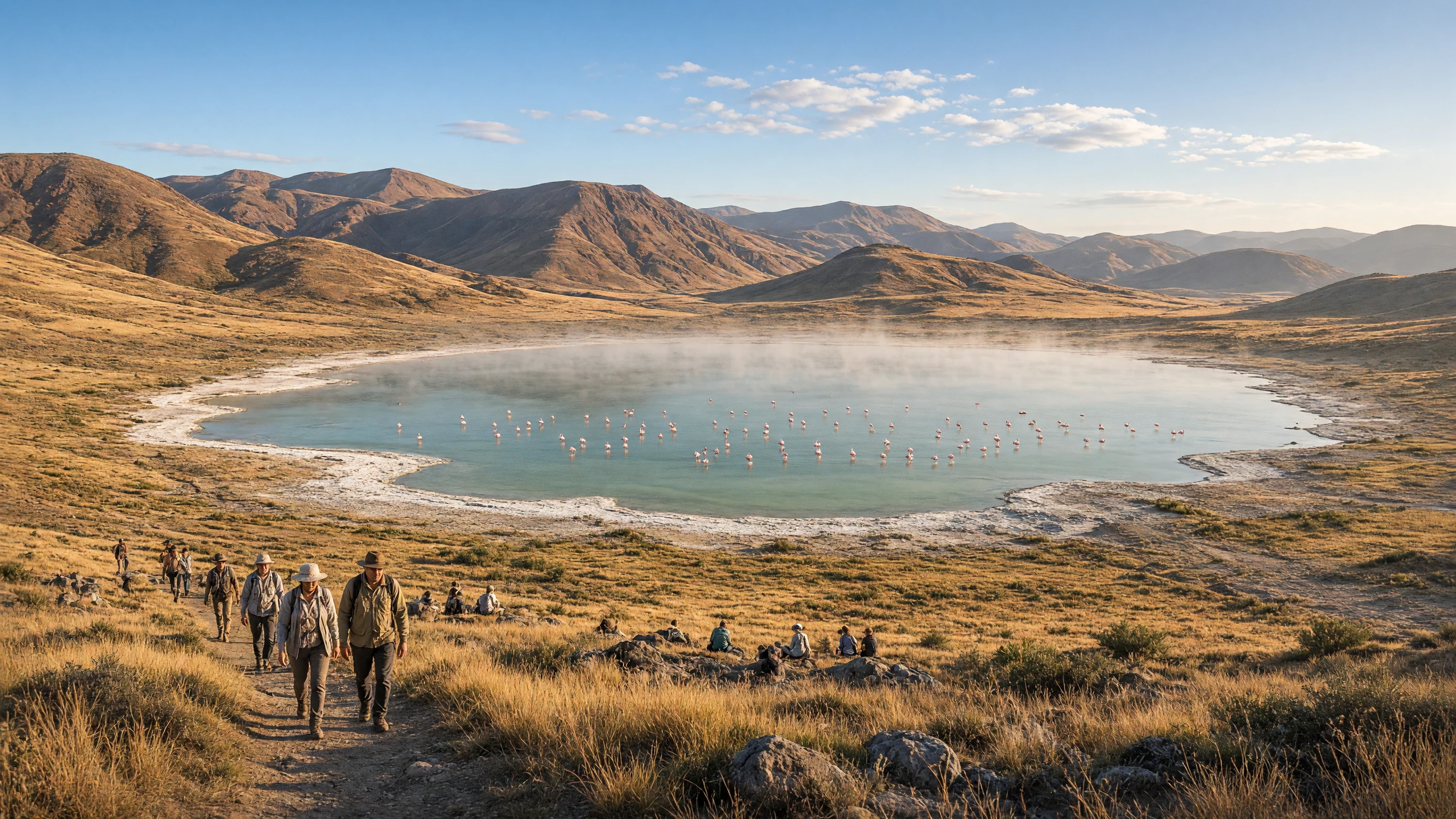
Outside migration season the Serengeti rewards patience differently. The central Seronera area holds resident leopard and lion year-round and stays green into June. The western corridor and the Grumeti Reserve offer quieter game viewing and fewer vehicles. In the far south, the Ngorongoro Crater is a collapsed caldera roughly 20 kilometres across, with a floor of grassland and a soda lake that draws flamingos in the wet season. The Big Five live down there in fair numbers. Access is by permit, and the permit system exists because without it the crater floor would be a traffic jam. Even with it, mornings on the crater floor can feel crowded.
The northern circuit pairs well with a few days on the coast or on the slopes of Kilimanjaro, though guests tend to find that adding Zanzibar to a safari itinerary adds a flight and a week rather than a day. Tented camps in the Serengeti tend to be dark and quiet at night, with canvas walls that carry the sound of a lion calling from a kilometre away into the room.
Kenya: the Maasai Mara and Laikipia
The Maasai Mara is the Serengeti's northern neighbour, and between July and October it fills up. River crossings on the Mara and Talek rivers happen here too, and the reserve's conservancies on its northern and eastern borders provide a quieter alternative with the same wildlife. Conservancy rates include a bed-night fee that goes to the local landowners, which is worth asking about when comparing quotes. Camps here tend to be smaller, most under 20 tents, and guides often grew up within a few kilometres of the camp.
Laikipia sits north of Mount Kenya, and it's a plateau of private ranches and conservancies covering about 9,500 square kilometres. It holds the country's largest populations of black rhino outside fenced sanctuaries and a good number of white rhino, and the conservancies run tracking experiences on foot with rangers who know individual animals by name. The altitude sits around 1,800 metres, so mornings are cold enough that a fleece is a sensible thing to pack alongside the shorts.
"You don't go looking for a rhino in Laikipia. You go with somebody who already knows where it will be at nine in the morning."
That line came from a guide of about twenty years' standing, and tracking a black rhino on foot with a ranger is a slow business: stopping, reading the ground, checking the wind, moving on. It's the part of a safari that people remember longest, I think, because it asks for sustained attention and good binoculars rather than a camera with a long lens.
South Africa: Sabi Sand and Kruger
Sabi Sand is a private reserve of about 65,000 hectares on Kruger's western boundary, and it has been managing leopard sightings for decades. The leopards are habituated to vehicles to a degree that would be unusual elsewhere, and a morning drive can end with a female and two cubs on a termite mound twenty metres from the vehicle. Off-road driving is permitted in the private reserve, which is how a sighting gets to that distance in the first place.
Kruger itself is bigger: nearly 20,000 square kilometres of national park, with a road network that runs from the far north near Pafuri down to the Crocodile Bridge gate in the south. Self-drive is possible and popular: a week in a hired sedan and a rondavel hut, with a cooler box and a map, costs a fraction of a lodge stay. The trade-off is that you'll be driving, not looking, and that sightings come with a crowd of other vehicles. Guided drives in the park run twice daily, in open vehicles, and the guides are licensed and tested.
The private reserves on Kruger's borders (Sabi Sand, Timbavati, Manyeleti) offer walking safaris, which the national park restricts. Walking changes the scale of everything. A giraffe at 40 metres is a different animal when you're on foot.
Zambia and Zimbabwe: South Luangwa and Hwange
South Luangwa in Zambia is where walking safaris began as a commercial proposition, in the 1950s, and it remains the best place to do one. The park runs along the Luangwa River, which floods in the wet season and concentrates game on its banks by September. The dry-season walking here is serious: guides carry rifles, guests walk in single file, and the pace is slow enough that a morning might cover four kilometres. The valley is also thick with elephant and a genuinely good population of wild dog.
Hwange in Zimbabwe covers about 14,600 square kilometres and holds more than 100 species of mammal. Its pans fill in the wet season and pump water in the dry, which means game concentrates around predictable points. The hide at one of the main camps sits directly over a pan and allows photography from a foot away. The drawback is access: road transfers take hours, and light aircraft schedules run on their own logic.
Uganda and Rwanda: gorillas and the south-west
Mountain gorilla trekking is not a safari in the Serengeti sense. It's a walk, sometimes a long one, up to a family group, capped at eight visitors per group per day, for one hour. Uganda's Bwindi Impenetrable Forest holds about half the world's remaining mountain gorillas. Rwanda's Volcanoes National Park offers shorter treks and higher permits, and its infrastructure (paved roads, a visitor centre, a lodge with a spa) is a step up. The hour itself is strange and quiet. The gorillas mostly ignore you. A silverback will eat, check you over, and go back to eating.
Combining a gorilla trek with a savannah safari means a flight between the two, and the sensible way to do it is to put the gorillas second: trekking involves steep, wet ground, and doing it on legs already tired from a week of early game drives is a bad idea.
Choosing between the top Safari locations in Africa
- First safari, wide wildlife range: Sabi Sand or Maasai Mara, both with reliable Big Five viewing and short transfers.
- Water and remoteness: Botswana's Delta in June to August, when the flood is at its height and the game is concentrated.
- Migration spectacle: Serengeti from July, Maasai Mara from August to October.
- Walking: South Luangwa from June to October, or Laikipia at any dry month.
- Gorillas: Bwindi or Volcanoes, with permits booked 6 to 12 months out.
- Self-drive and budget: Kruger, with a hired car and a rondavel, from about R1,000 a night for two.
Timing matters more than destination in many cases. The Okavango is at its best when the flood is high and the game is concentrated; the Serengeti is at its best when the herds are where you happen to be; and the Mara is at its best when it's not raining. Rain happens. A wet February in the Serengeti fills the plains with calves and the skies with thunderheads, and some of the best photographs come out of weeks that look, on paper, like the wrong choice.
The right trip is the one that matches the season you can travel, not the season you wish you could.
Experts and specialist operators matter more in wildlife than almost anywhere else in travel. A guide with twenty years in the Luangwa valley will read a spoor on a track and turn the vehicle without saying anything, because he already knows. A lodge with a good guide and a tired vehicle beats a beautiful lodge with neither, and the difference between those two things isn't visible in the brochure.
Expect to spend between eight and twelve days on the ground for a first safari, with transfers and a rest day. Two camps in a single country is a generous shape. Three camps in two countries is a lot of flying, and a lot of packing and unpacking, and a lot of time spent in small aircraft with a bag on your knees.
The aircraft that runs the Okavango circuit is a single-engine Cessna with a luggage limit of 20 kilograms in soft bags, and the pilot's seatbelt has been repaired at least once.