

Uganda vs Kenya Safaris Compared: Which to Choose
Published on 12 November 2026
Most flights into Entebbe touch down after dark. Your first lodge sits about ninety minutes away, along a road whose streetlights stop after the opening twenty. Arrive in Kenya instead and you land at Jomo Kenyatta or Wilson, where Mombasa Road can turn a forty-minute transfer into two hours. Begin any comparison at the runway, before a single animal shows up.
Both nations straddle the equator, and each one holds savannah plus the big mammals, so either can bring an elephant inside thirty metres of the vehicle on a lucky morning. What separates them is structure, and that structure shapes your days and your spending.
Uganda and Kenya safaris compared: the landscape of each trip
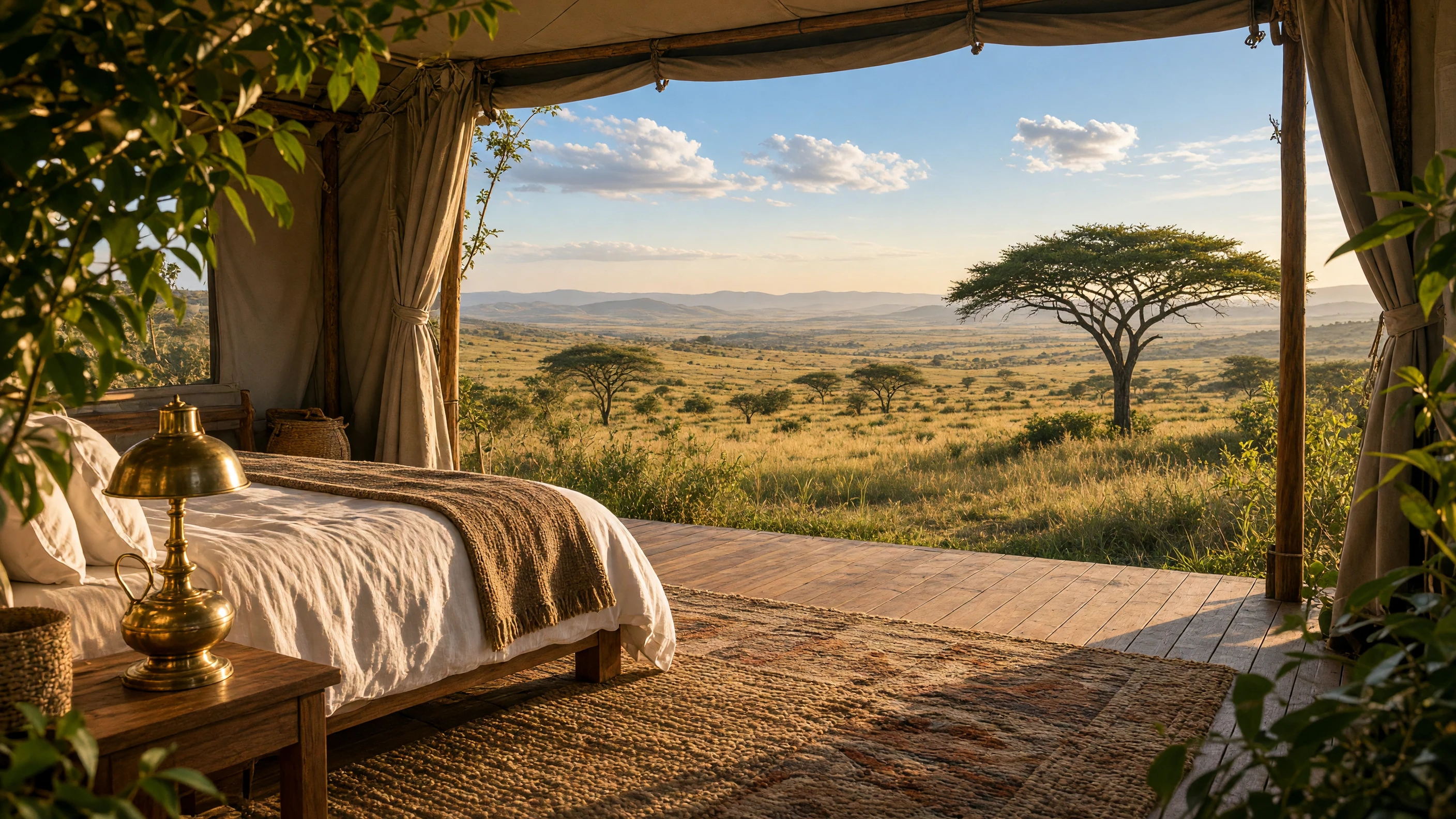
Most of Kenya's safari ground lies open. Mara grassland stretches unbroken past the horizon, and from June to October Amboseli sets its elephants against Kilimanjaro's white summit on clear days. Photographers gain from all that space, and so does anyone content to read animal behaviour from a distance: a cheetah sweeping the plains, a lioness ferrying cubs over a track.
Uganda feels greener and much denser, and it gets more rain. Queen Elizabeth National Park contains crater lakes, big fig trees, and the Kazinga Channel, where a late boat passes hippo pods and buffalo coming down to drink. Murchison Falls forces the Nile through a gap only seven metres wide, and you hear the water long before any spray reaches you. That sound lingers past whatever photograph you take of it.
Four habitats, savannah, forest, wetland and river, all sit within a few hours' drive on one Ugandan trip. Kenya trades that variety for scale, and it slots more easily into a coastal stay.
Gorillas and the reason many people choose Uganda
Treks to see mountain gorillas run in Bwindi Impenetrable Forest and over the border in Rwanda's Volcanoes National Park. Kenya has none of these apes. Should a habituated family top your list, Uganda turns into the sensible answer, and every other booking then orbits that one morning.
A permit costs $800 for foreign non-residents, and you should lock it in six to twelve months ahead, most of all for June through August or December through February. Walking time to the family runs from forty minutes up to six hours, depending on where they slept. Porters haul your bag for about $20 and hiring one makes sense. Ground underfoot turns steep and muddy, and at 2,300 metres the thin air hits you on the second climb.
Kenya's reply is the Mara River crossing. Wildebeest pile onto the northern bank in the thousands between July and October, and because crossing points wander, guides trade positions by radio across the conservancies. Nobody can promise a crossing for your date. When it comes, forty minutes pass and the water is empty again.
Costs, and what your money buys
Figure roughly $350 to $500 per person per day for a mid-range Kenyan safari, covering lodging, meals, park fees, guide and vehicle. Comparable comfort in Uganda costs less, near $250 to $400, but a gorilla permit adds a flat $800 to any itinerary containing one.
Park fees explain part of that spread. Non-resident adults pay the Maasai Mara $200 per 24 hours in peak season, and conservancies next door levy their own charge, typically $100 to $150 nightly. Queen Elizabeth charges foreign non-residents $40 a day. Stack those numbers across a week and the gap widens.
Infrastructure is where Kenya's money shows. Mara roads hold up well and airstrips stay busy, so the light aircraft from Wilson reaches the reserve in about forty-five minutes, against five or six hours by road. Uganda's flights are thinner and its roads slower, which puts more of your day inside the vehicle between parks.
Book your gorilla permit before you book anything else. Every other decision in a Uganda itinerary bends around that date.
How you'll actually spend your days
Early starts govern Kenya. Vehicles roll out at 6.15am, return for breakfast near nine, and head out again late in the afternoon, leaving midday for sleep, food or the pool. Mara camps keep to this pattern because the animals do.
Uganda's attractions sit farther apart, so its days vary more. A morning game drive may give way to an afternoon on the Kazinga Channel boat, and the next day goes to driving toward Kibale's forest edge for chimpanzee tracking. Momentum like that suits some travellers. By day four it wears others down.
Focus is Kenya's real edge. One camp for three or four nights lets the wildlife come to you, so packing shrinks, transfers thin out, and more hours go to watching animals rather than chasing them.
When to go, and what the weather does
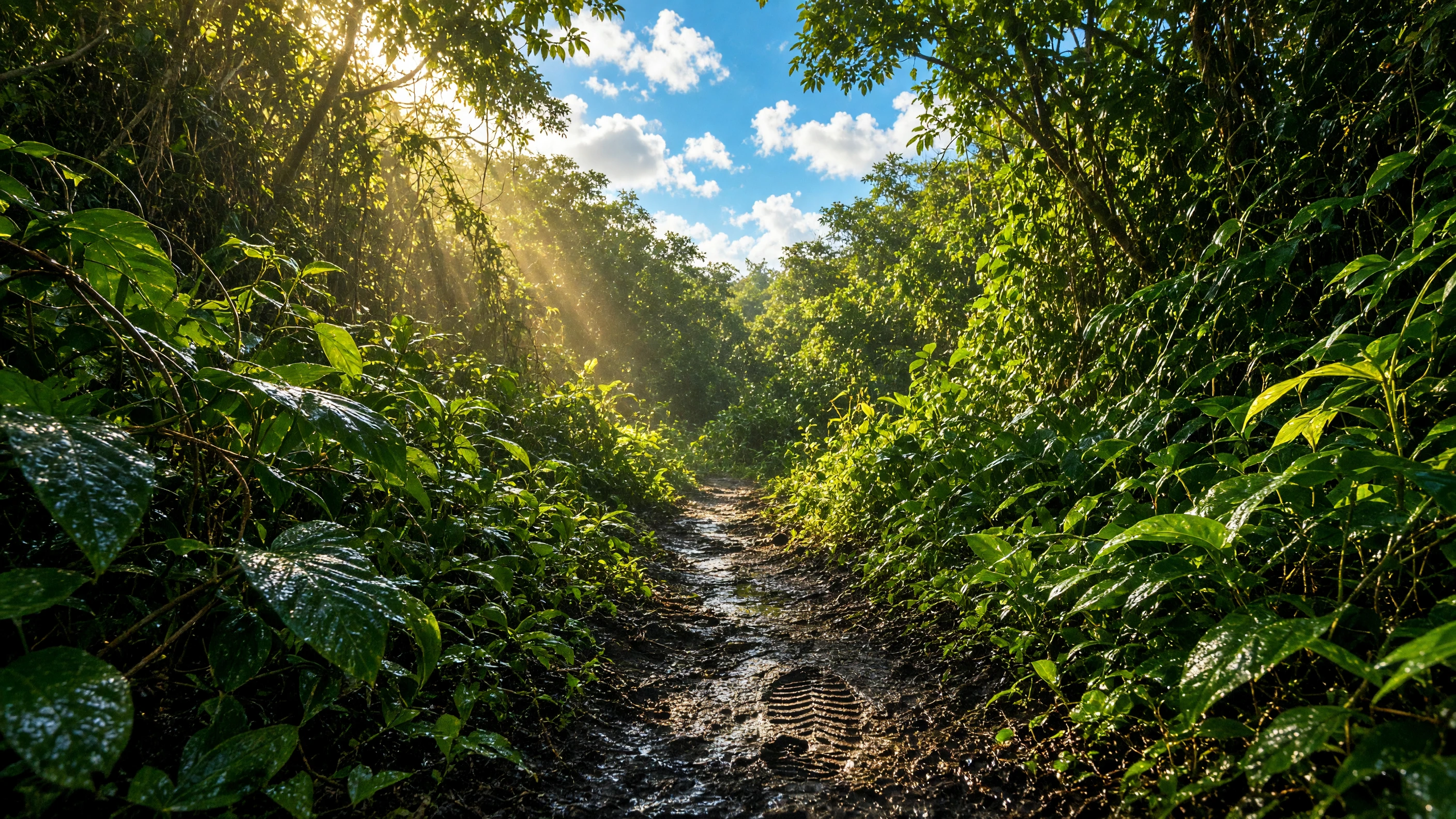
Two dry spells frame the obvious windows for either country: January through March, and July through October. The Great Migration in Kenya peaks from July to September, while Uganda's gorilla trails dry out and ease during the same two stretches.
One hedge is worth adding. East African rainfall has grown harder to predict over the past decade, and a dry week in the Mara can still throw an afternoon downpour no forecast mentioned. A rain shell earns its place whatever month you choose.
From November to April, migratory species reach Uganda, and its birding turns exceptional as forest edges fill with calls. Kenya's Rift Valley lakes, Nakuru and Naivasha above all, hold their own, with flamingo counts swinging widely as water levels rise and fall.
Family travel, and what works for children
Younger children do better in Kenya. Flights run shorter, family tents are common, and camps shape shorter drives around a five-year-old's attention span. Plenty of Mara conservancies set a minimum age of six or eight for drives, so confirm that before you book.
Permits in Uganda carry a hard floor of fifteen years, which takes trekking off the table for families with small children. The rest of the country suits families well, though distances run longer and roads get rougher, and a carsick child will not enjoy the Entebbe to Murchison transfer.
Combining both, and the flight between
One trip can cover both countries. The usual routing begins at Entebbe for gorillas, then continues by air to Nairobi and on to the Mara. Entebbe to Nairobi takes about an hour and fifteen minutes, served by Kenya Airways and RwandAir. Count on a full day for transit once transfers and check-in are included.
Ten days buys three nights in Bwindi, two in Queen Elizabeth and four in the Mara, a pace that never rushes you. Twelve days is better still. Below eight days, transit eats more time than wildlife does.
Here's a wrinkle to plan around: permits are tied to a date, so one delayed flight or a shifted itinerary can wipe out the whole fee. Book international flights first, the permit second, everything else third.
A short digression with no bearing on any of this. The coffee at the Entebbe departure lounge is genuinely good, and the woman behind the counter has been there since 2011. You'll have time to kill, and it beats the alternative.
Which one, then, and how to decide
Picture 4pm on day three and ask where you'd rather be. Kenya probably puts you on a late drive across open grass as the light softens. Uganda might have you on a boat among hippos, or on a forest trail beside a ranger. Neither answer is the better one.
Choose Kenya if a classic big-cat safari with smooth logistics and a beach finish is the priority. Choose Uganda if gorillas, chimpanzees and a wider spread of habitats matter more, accepting a little more patience with roads and transfers.
Either way, one rule holds: book the guide, not just the lodge. A skilled guide in a Land Cruiser with a popped roof will show you more in three days than a lavish camp with a mediocre one will manage in a week.
In the month before you fly, learn to tell a male lion from a female by the mane, or its absence, because you'll spend a lot of time squinting.
Pack a spare memory card. Keep the small plastic bag it comes in, since dust inside the vehicle finds every seam.
