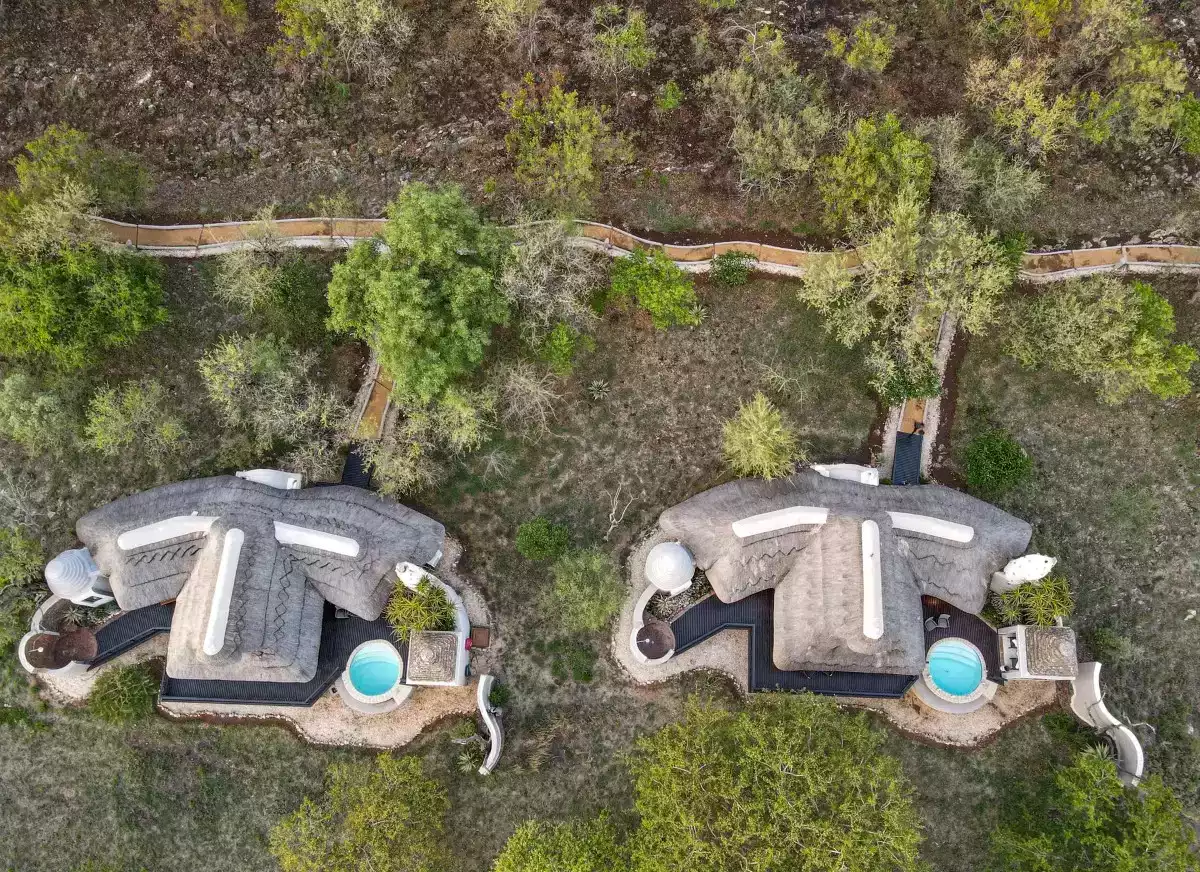
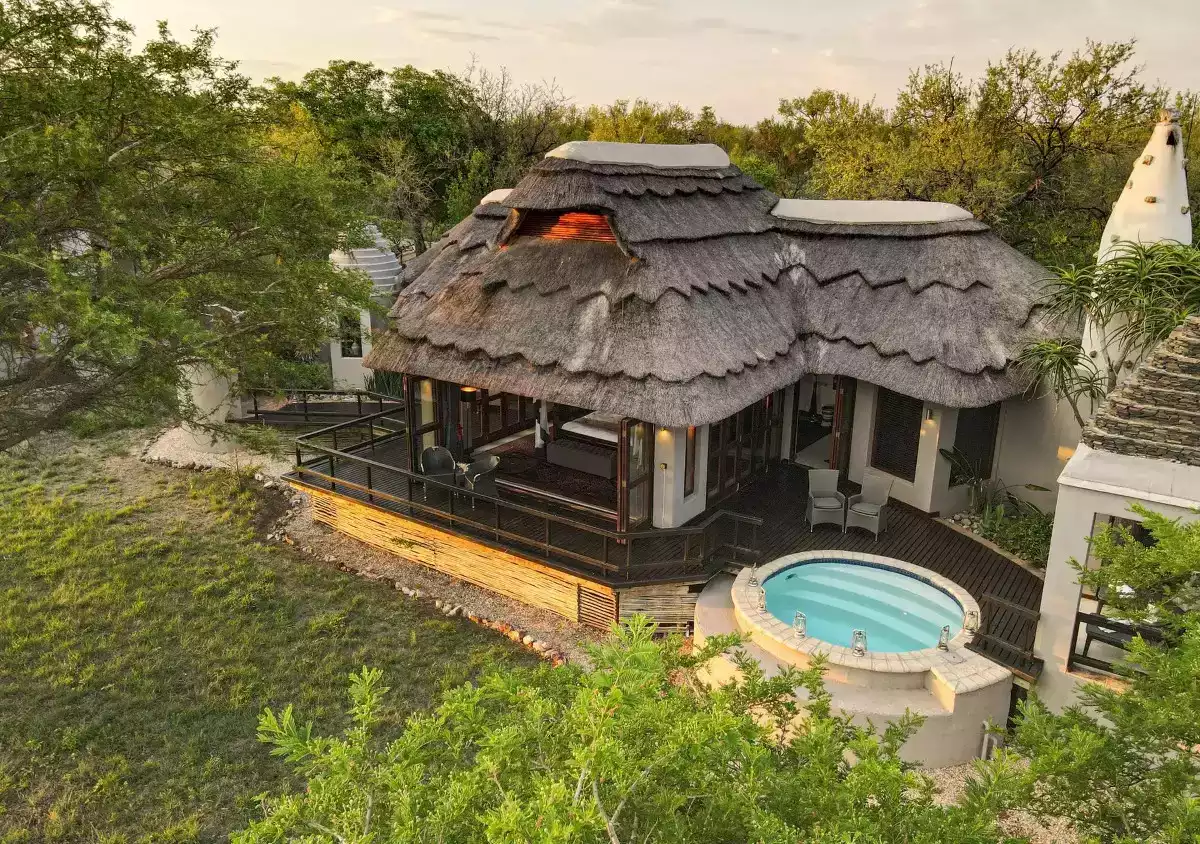
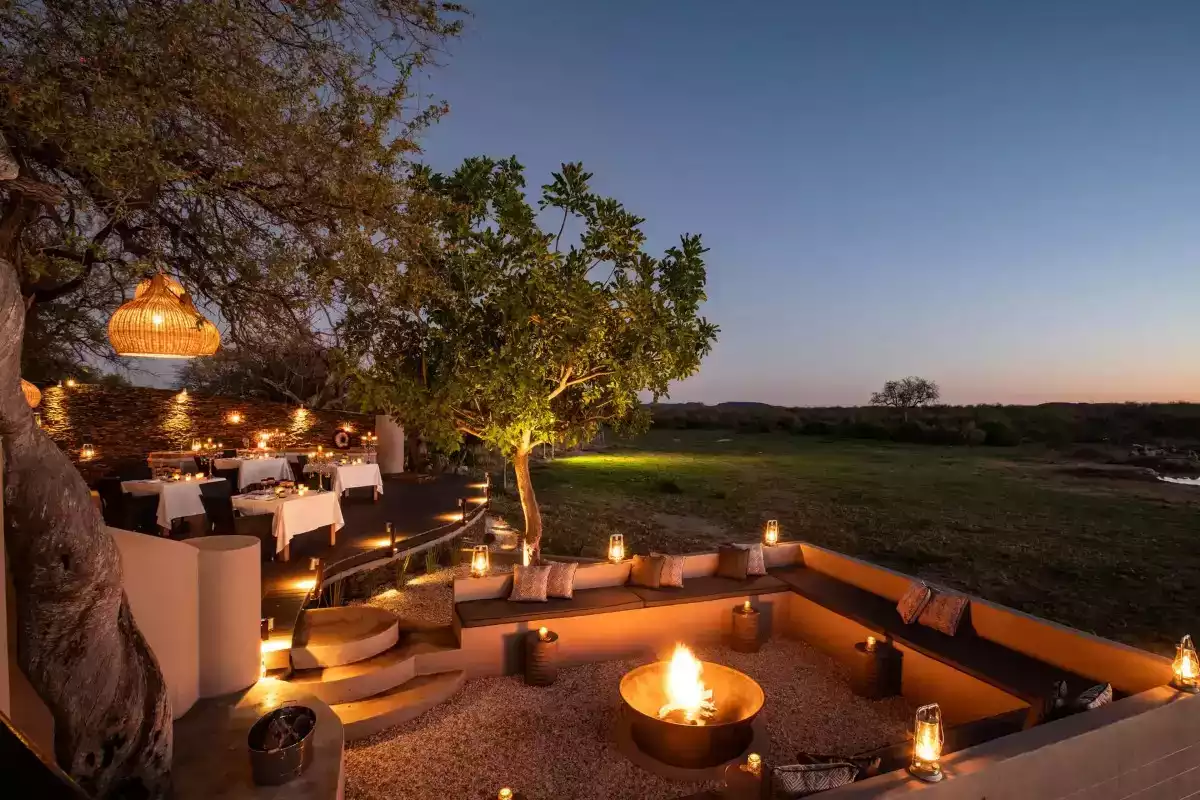
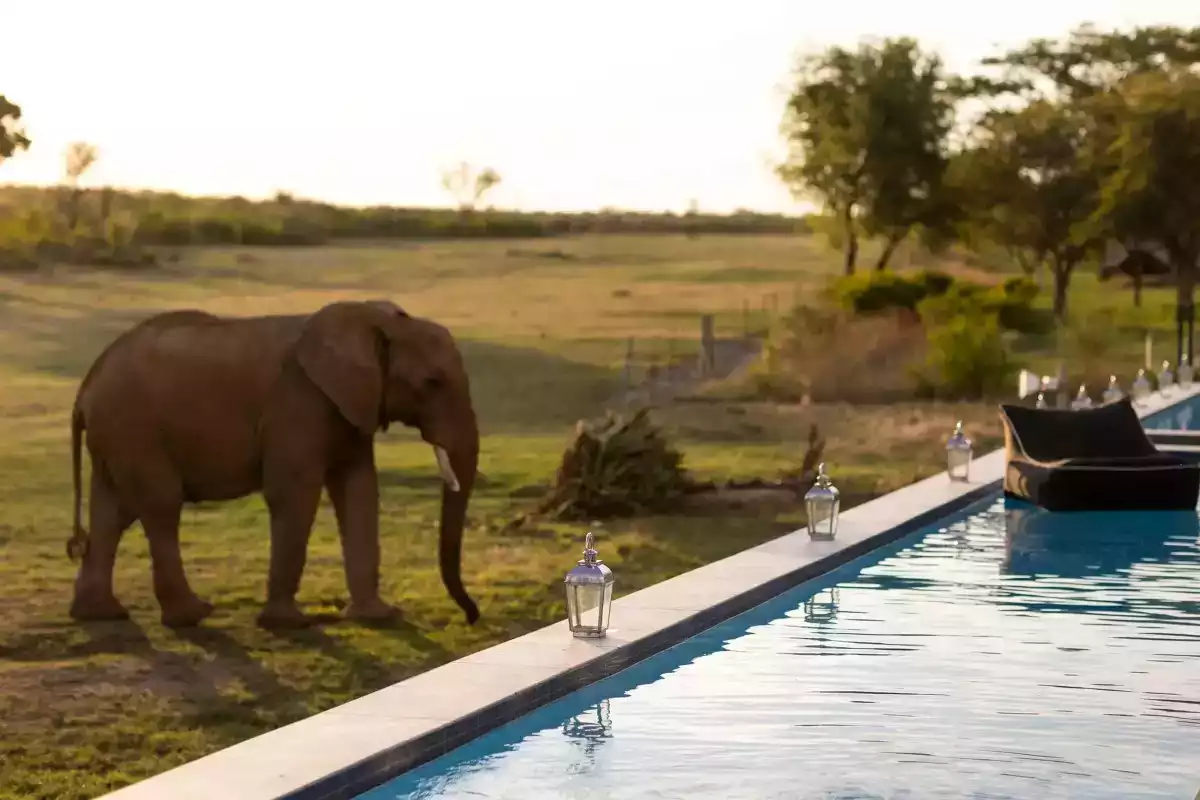
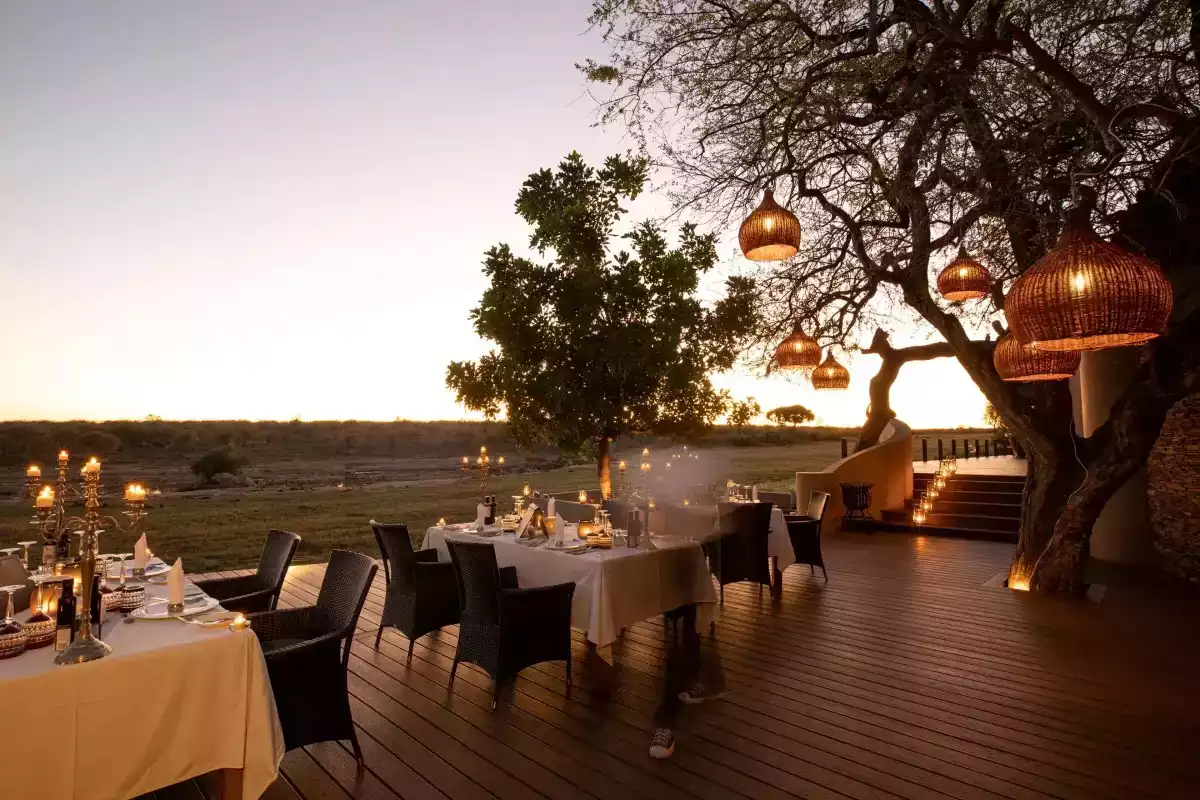
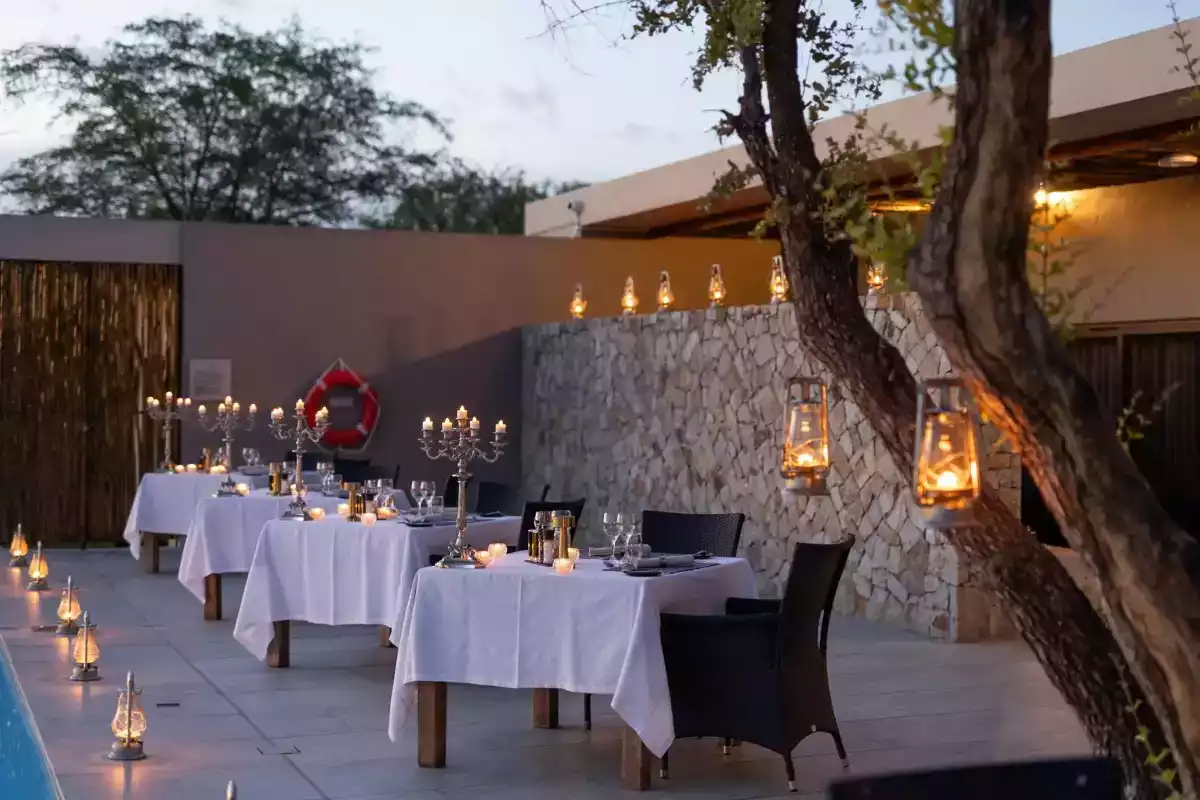

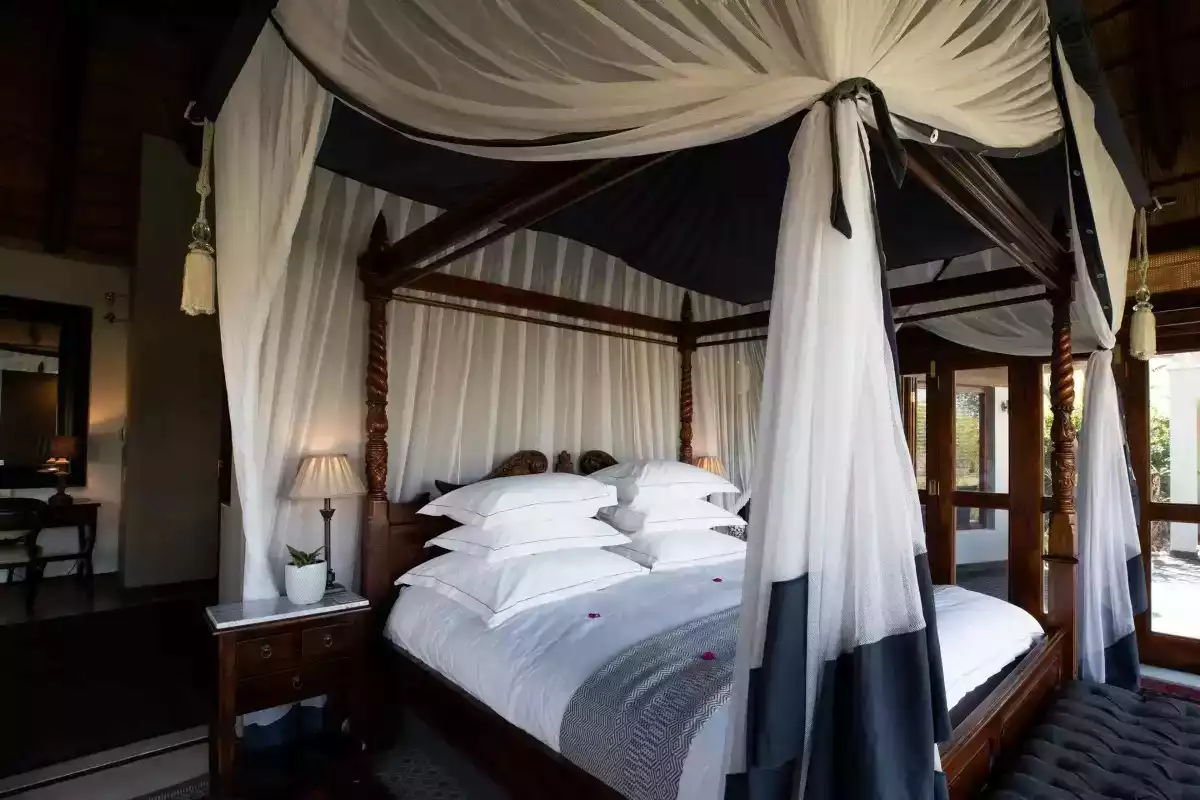
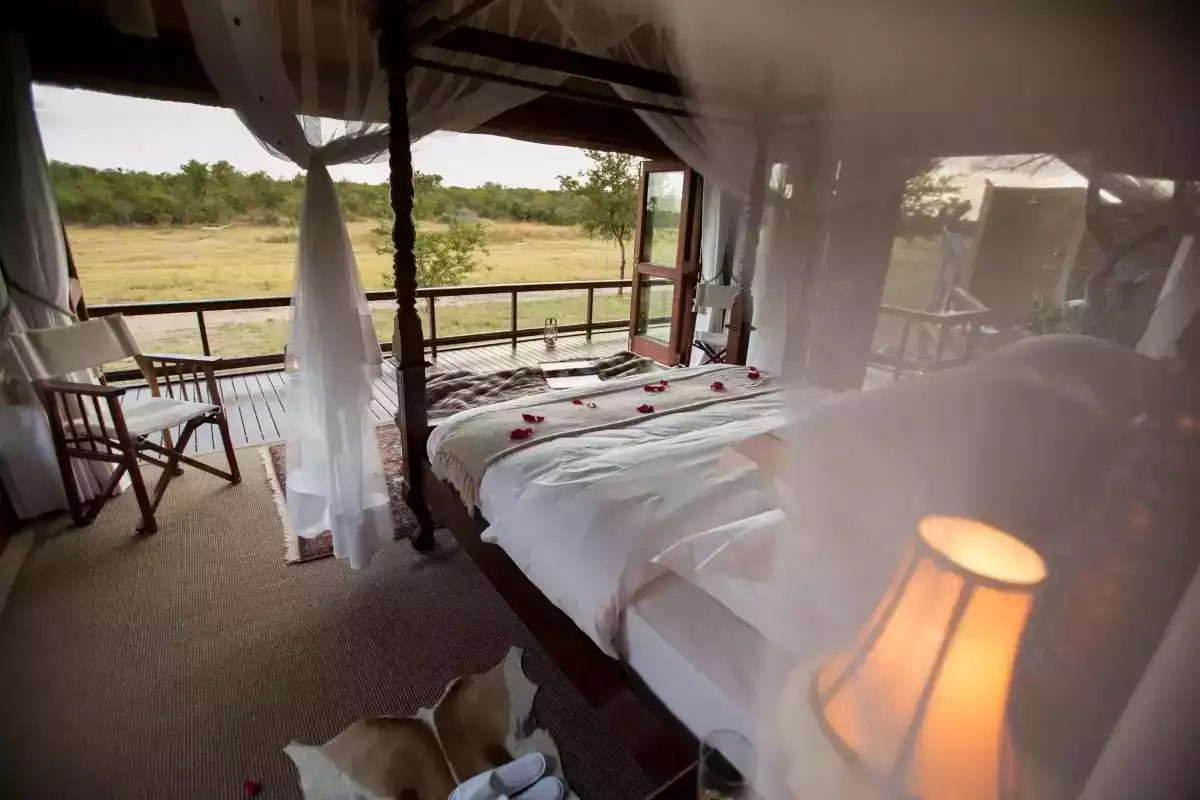

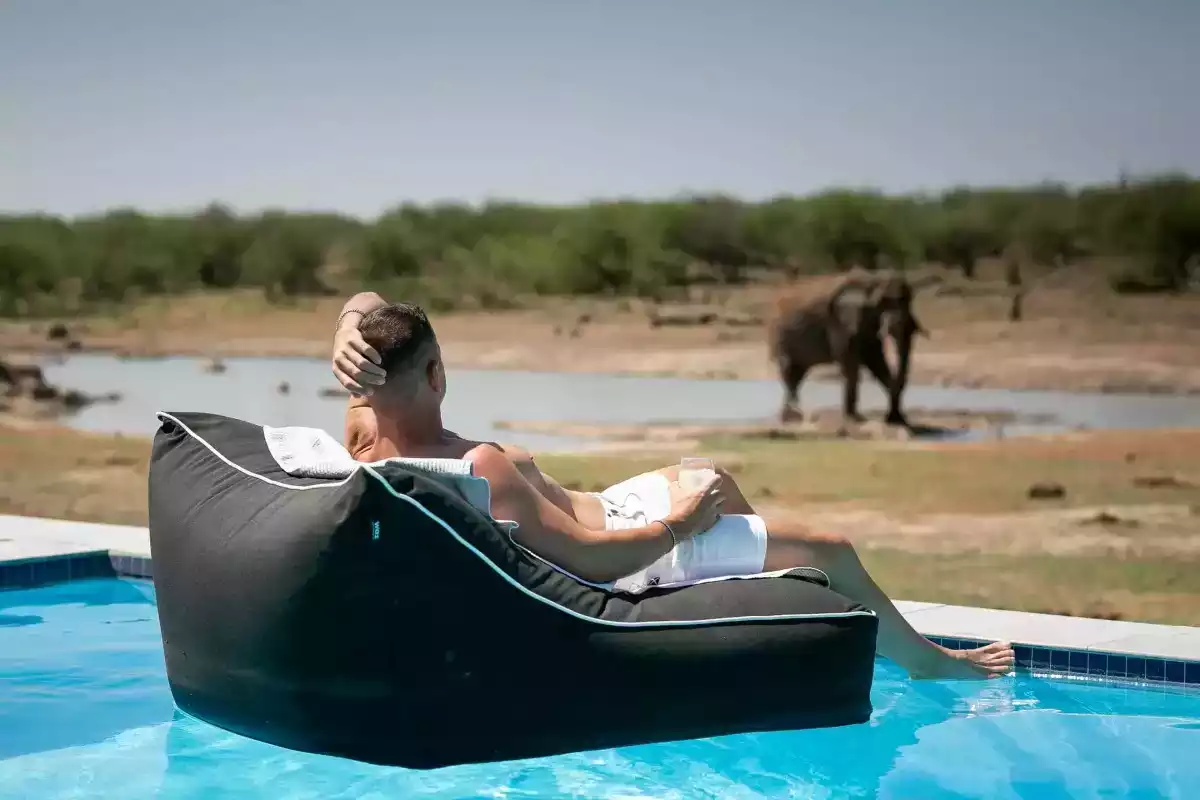
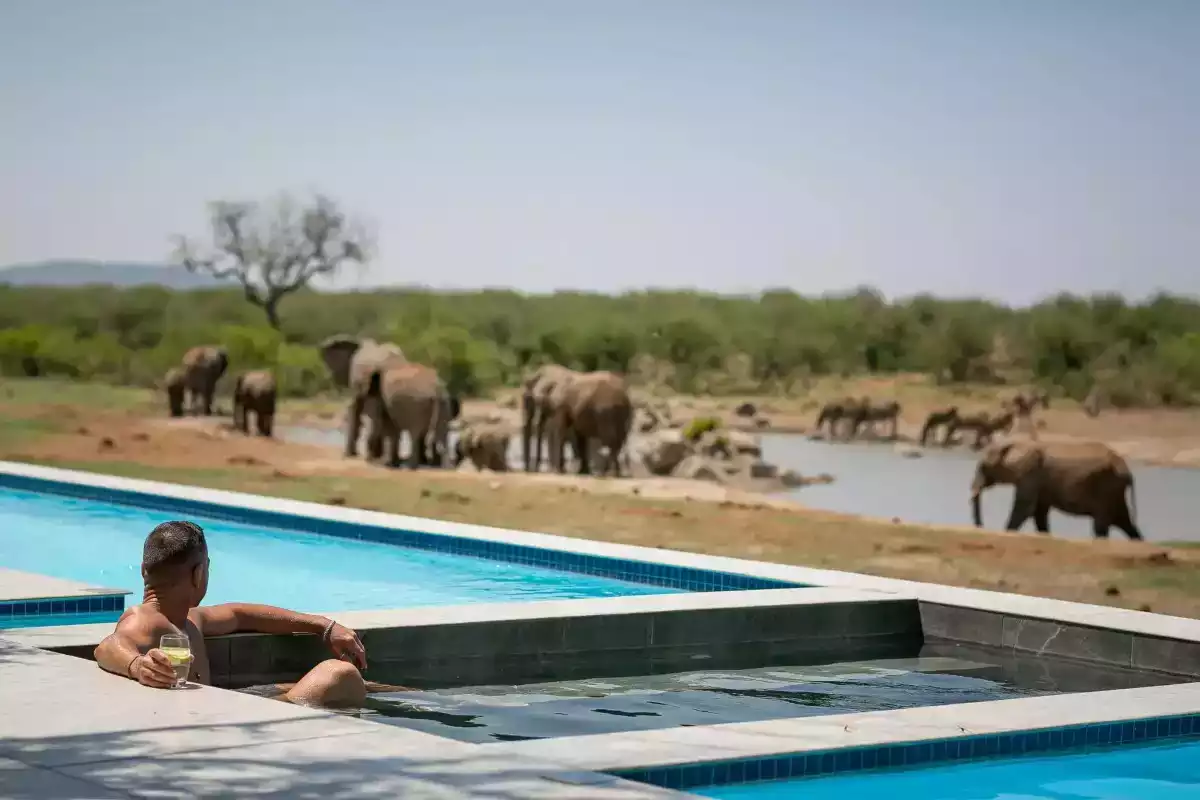
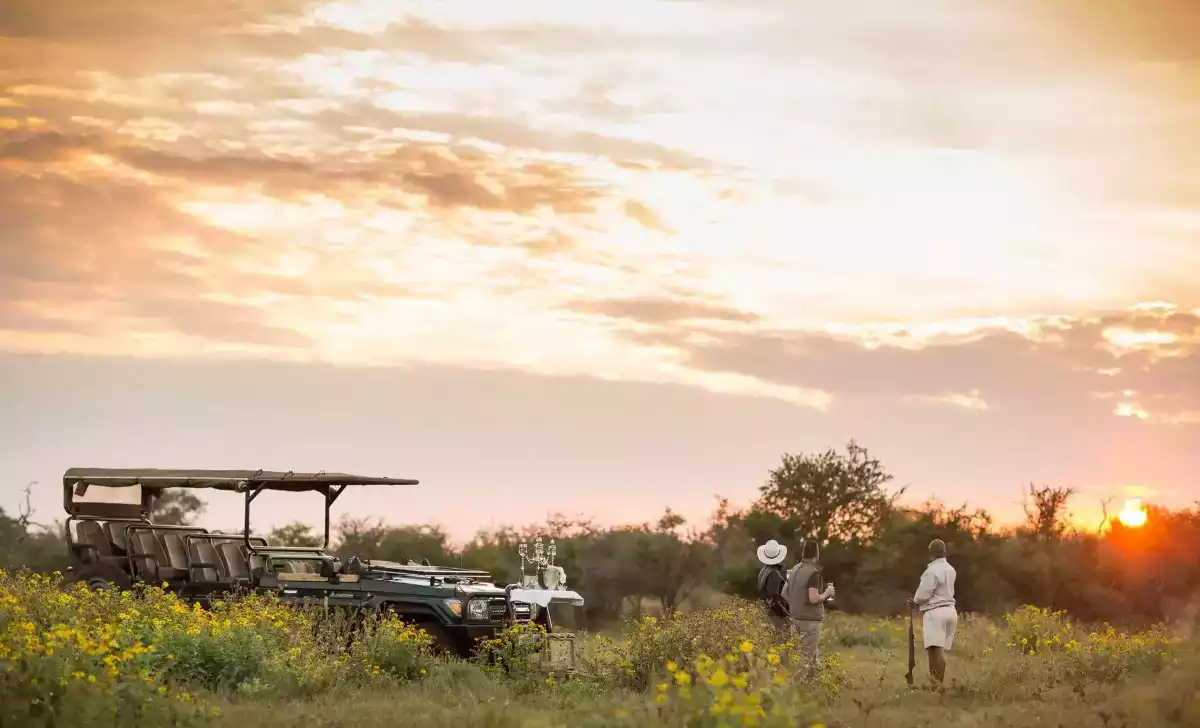
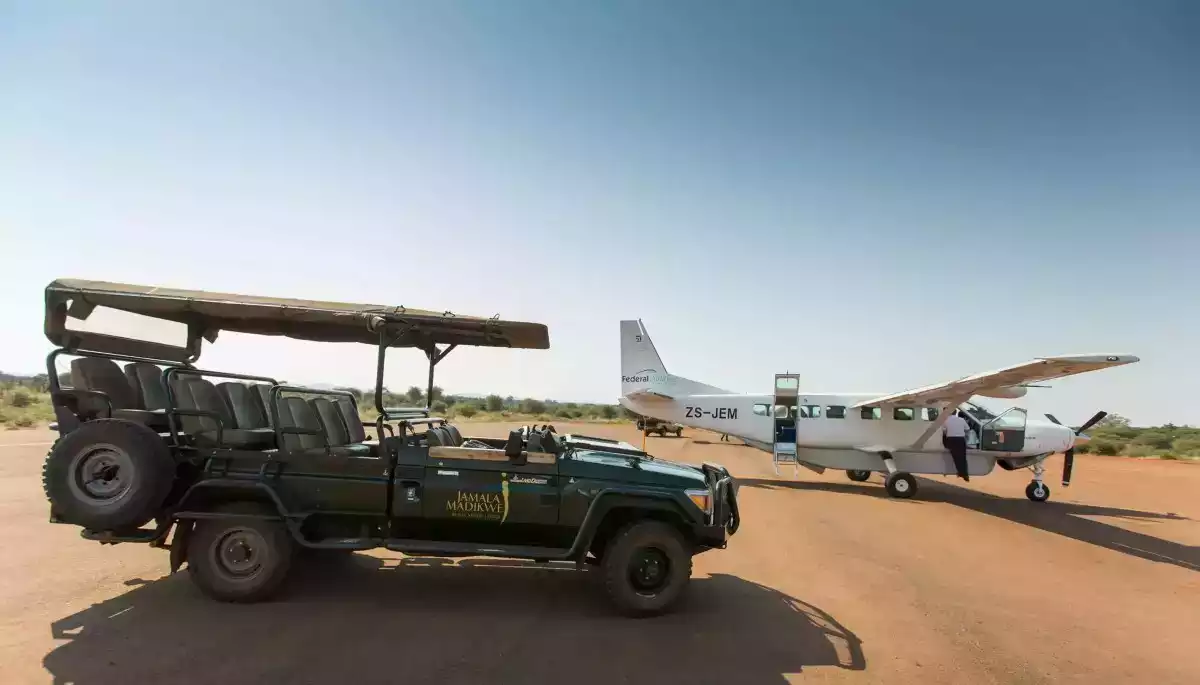
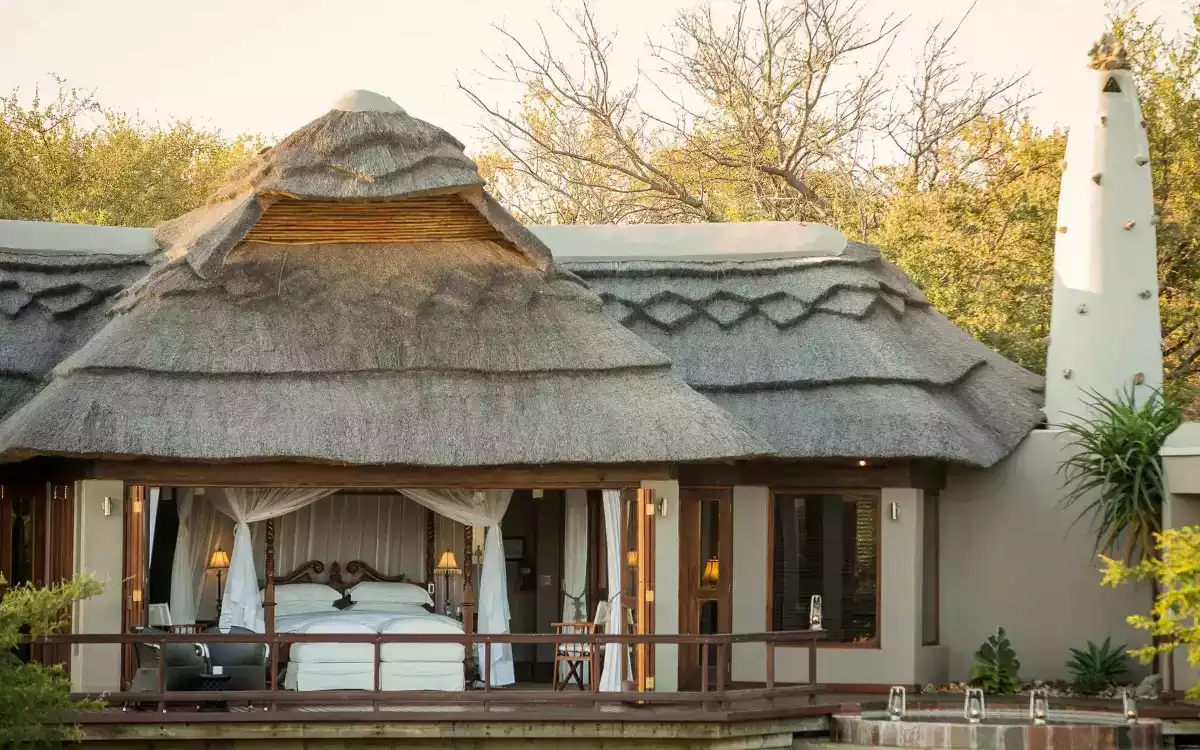
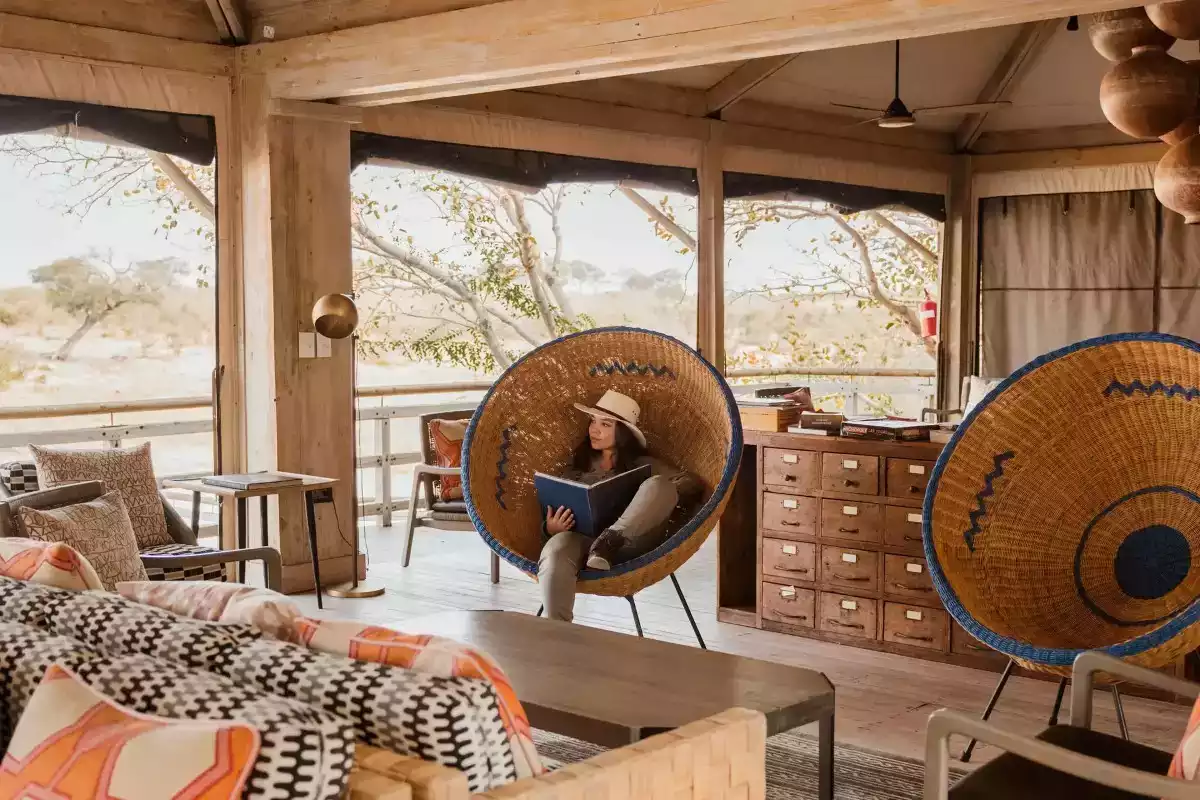
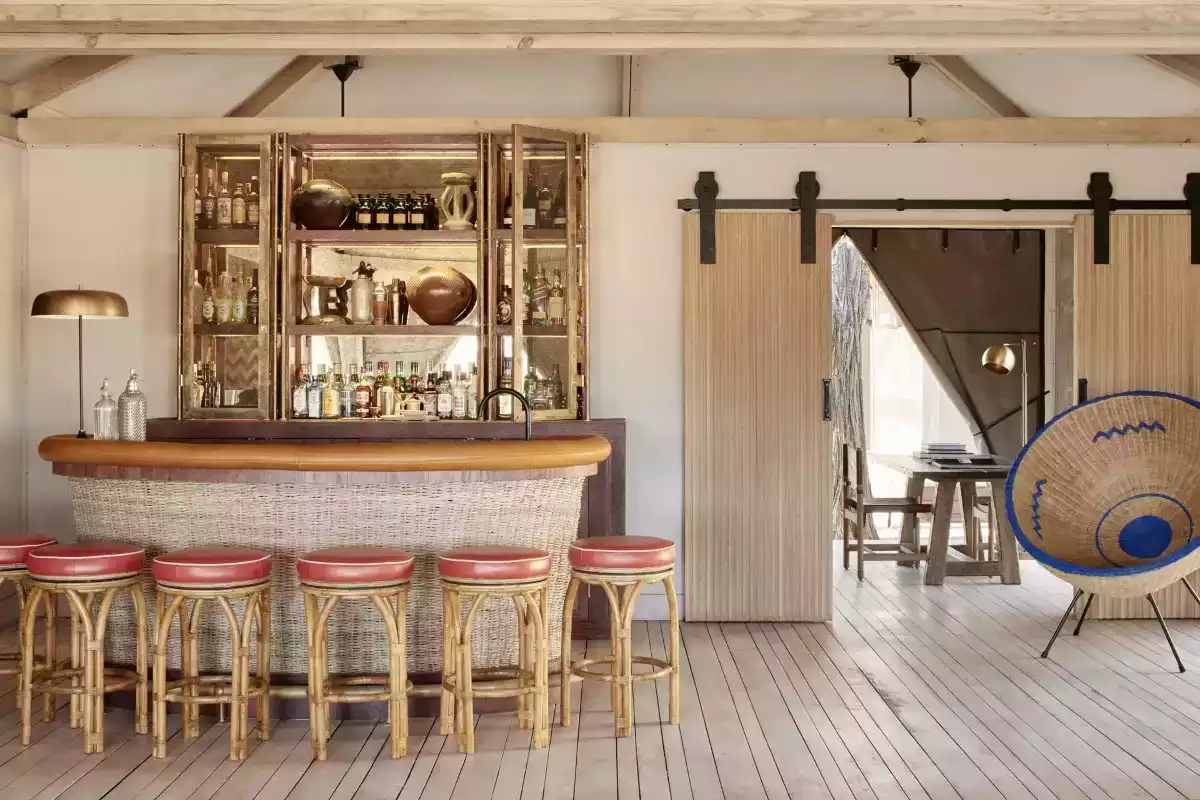
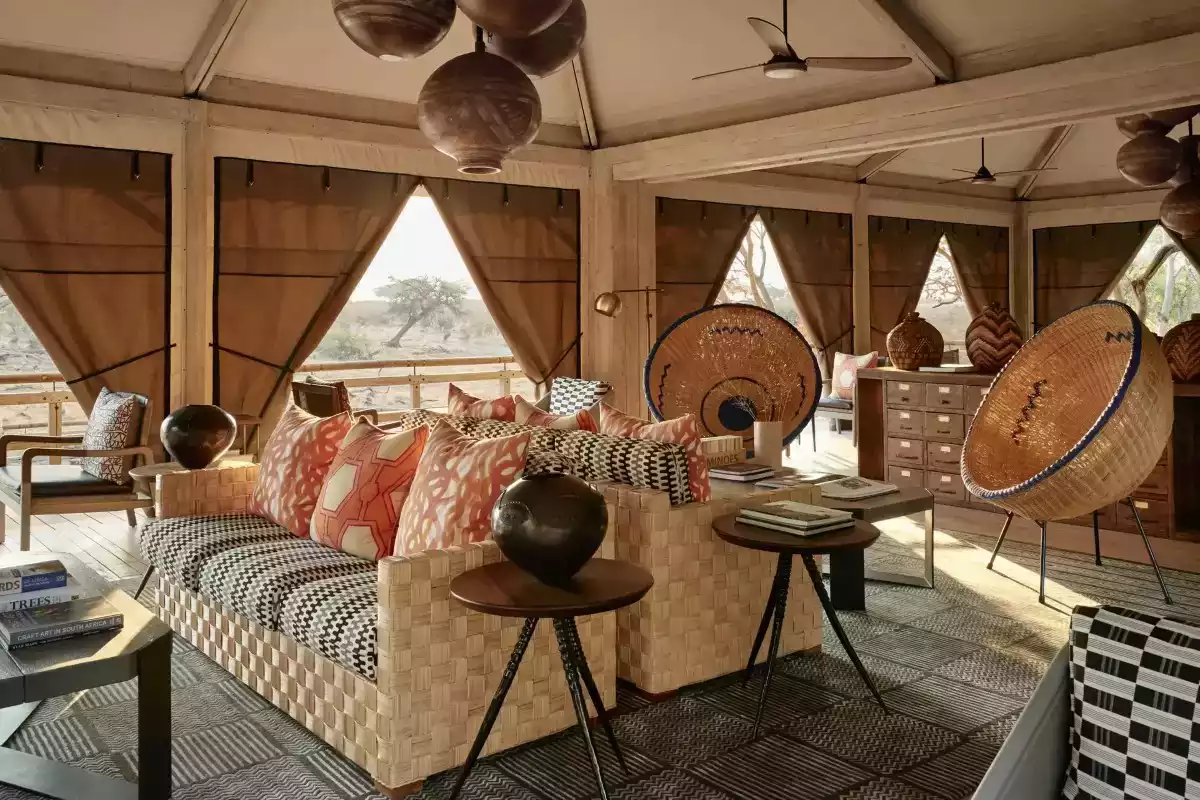
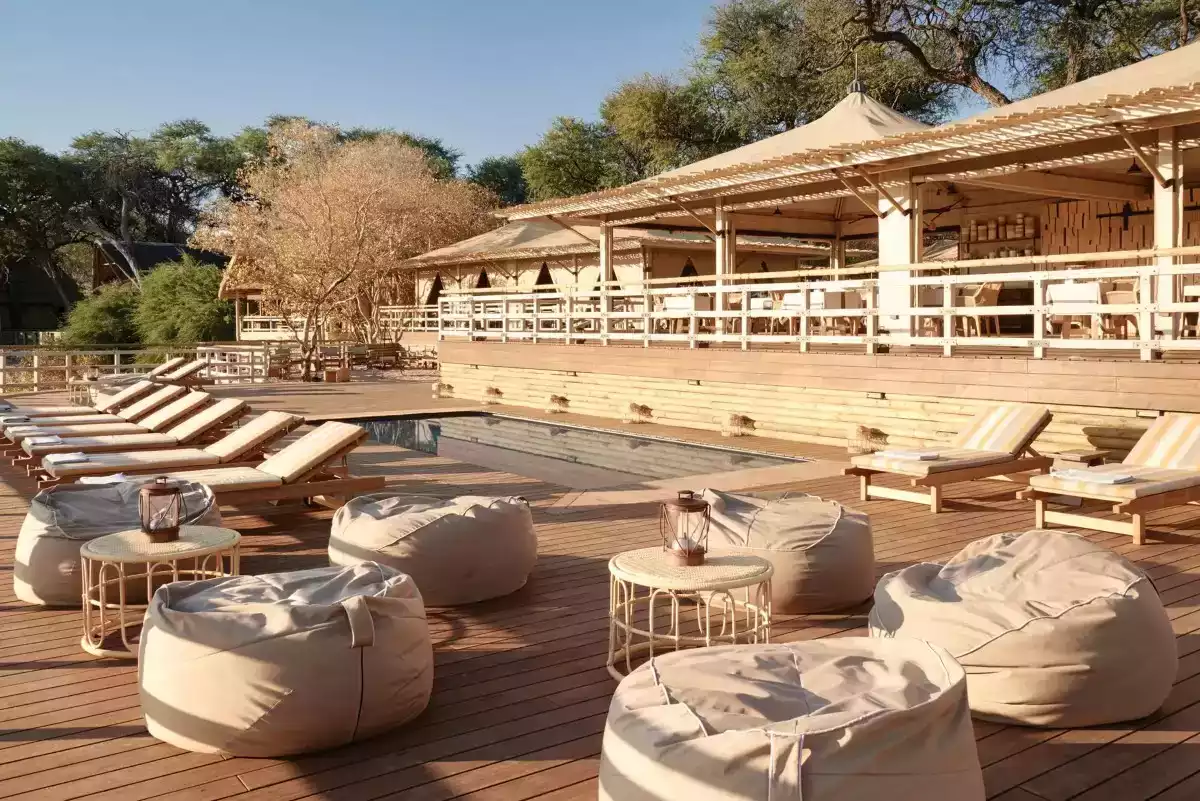
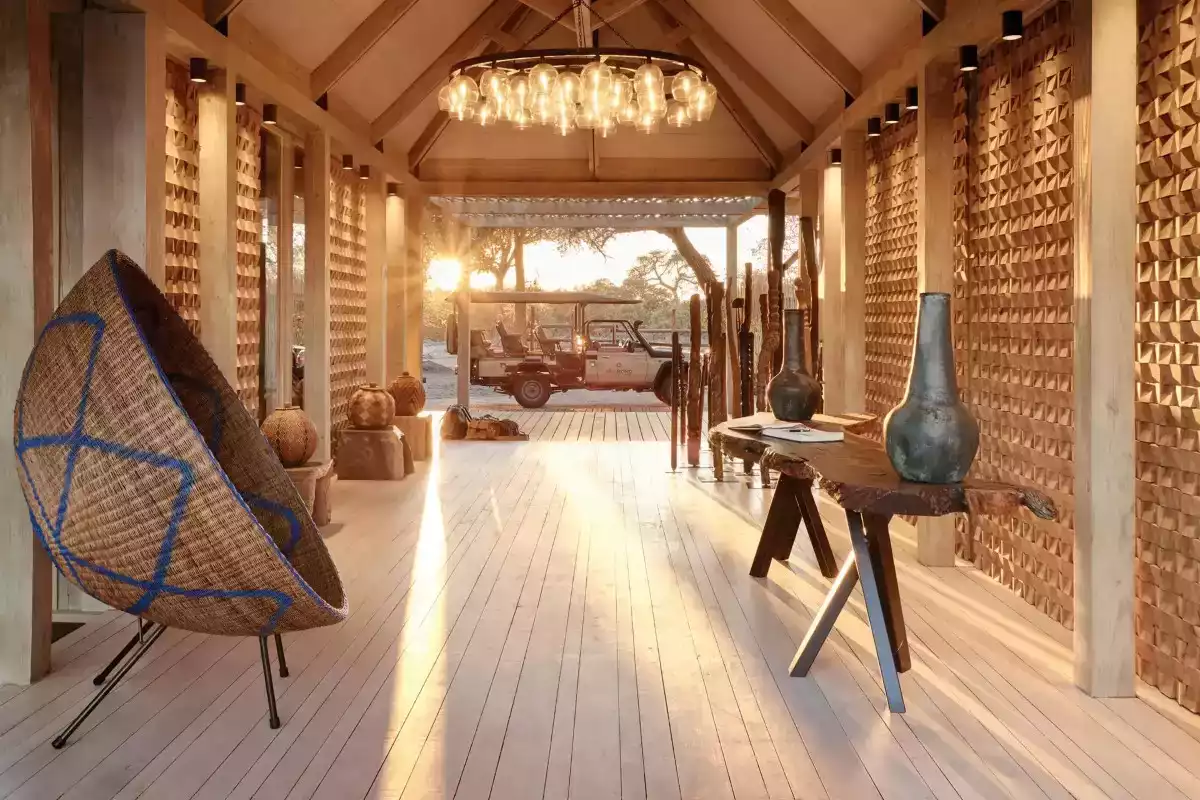
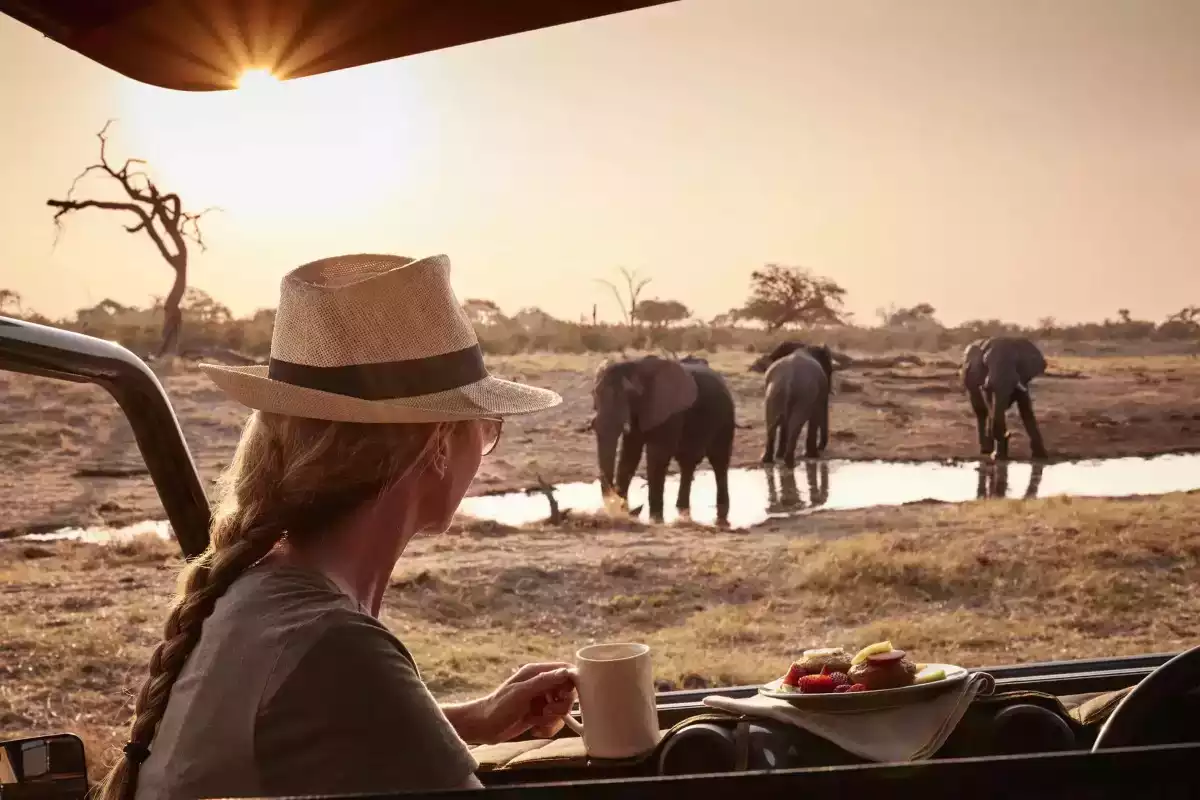

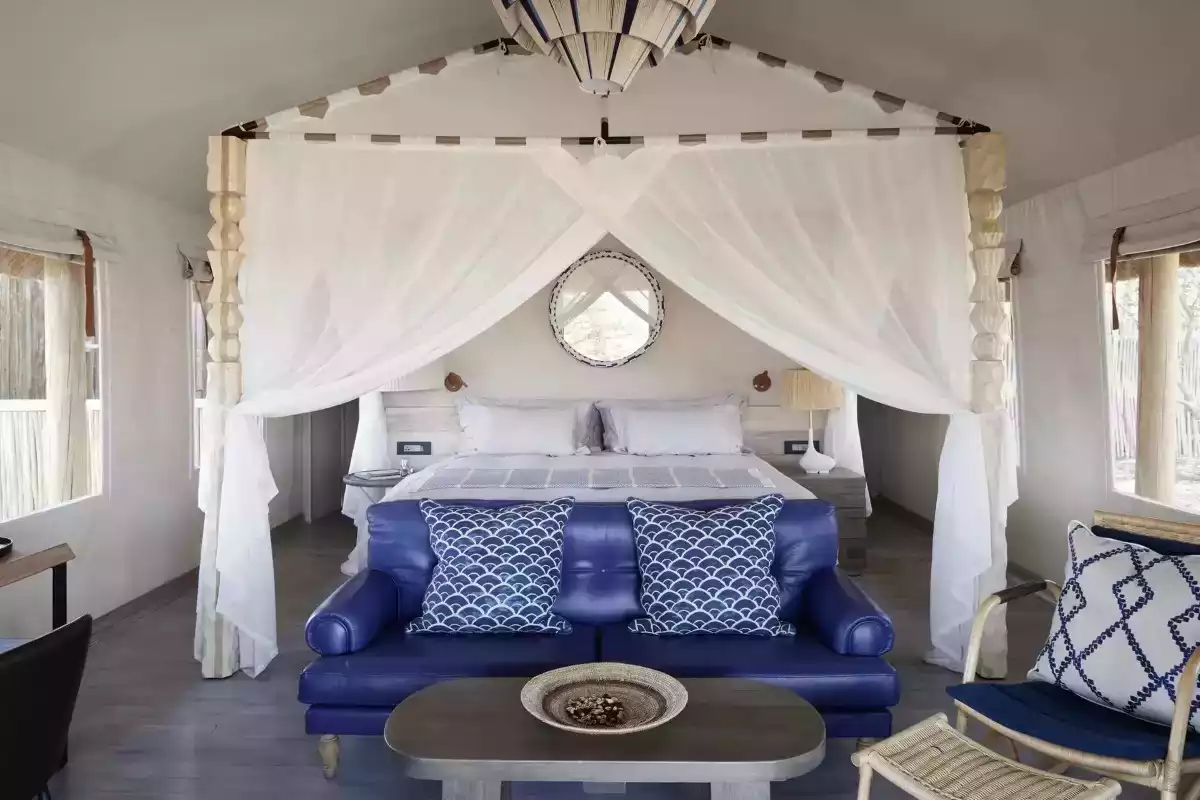
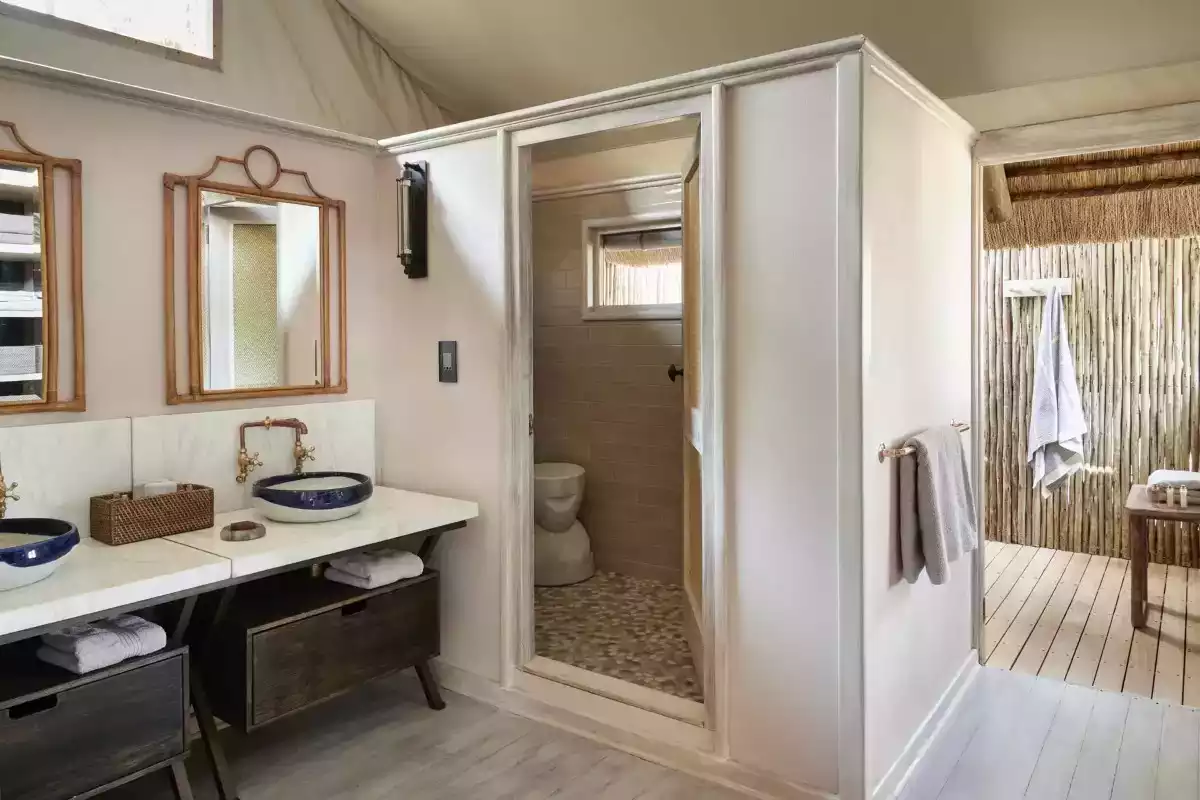
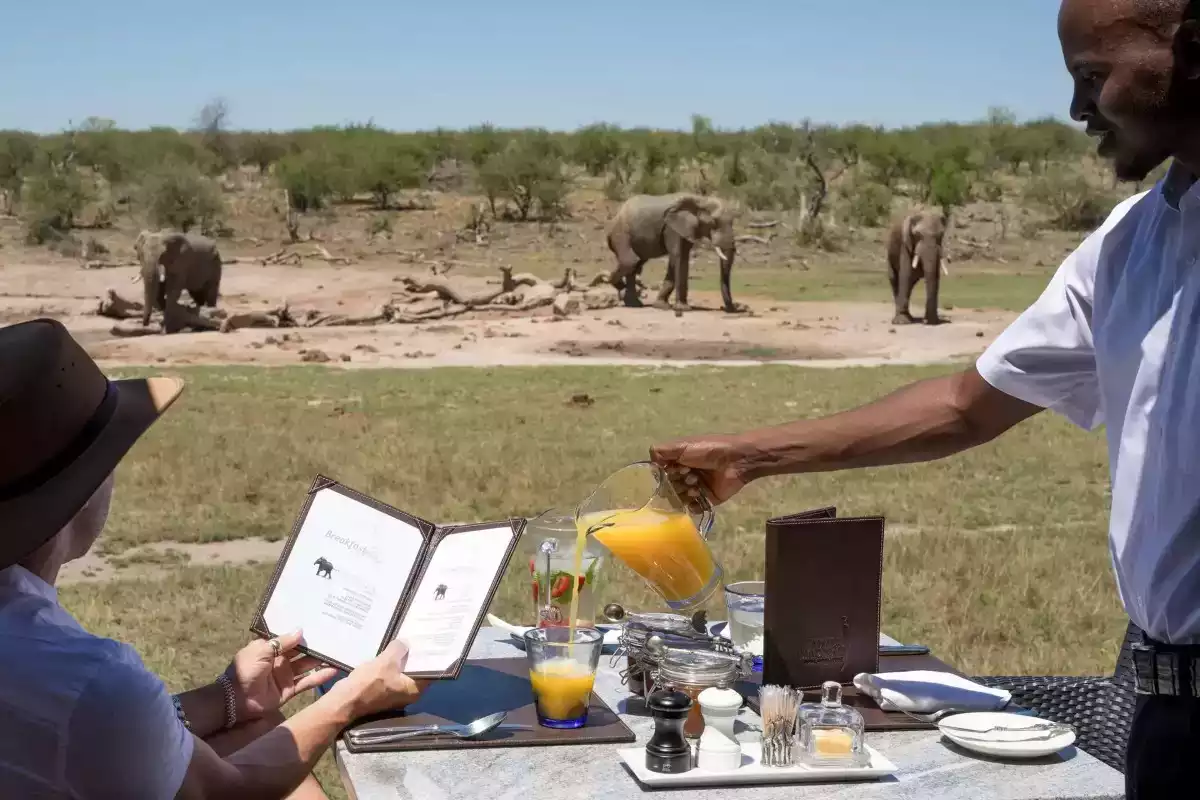
| Eight days, two reserves, and a fleet of small aircraft: that's the shape of a fly-in safari through Madikwe Game Reserve and Chobe National Park. The planes are compact, though the cabins are finished in soft leather and the pilots hand you a cool towel before takeoff. Each hop lands you minutes from your lodge rather than hours down a gravel road. Madikwe comes first. The reserve sits in a malaria-free zone, which spares you a pile of pills and a briefing on side effects. My room had a plunge pool set on a private deck, and I counted eleven elephants at the waterhole below it before breakfast on the second morning. The lions turned up on the third evening, a pride of six that walked past our vehicle at maybe ten metres and settled in the grass as if posing. My ranger, a Zimbabwean named Tapiwa with nineteen years in the bush, talked us through the pride's lineage and the ongoing quarrel between two of its females while I worked out that my SPF had another hour in it. He reads a track the way other people read a headline. Then another short flight north to Chobe, where the elephants are the whole point. We drifted along the river on a boat one afternoon and watched a herd of somewhere near two hundred come down through the reeds to drink, calves tucked under their mothers' bellies and trunks swinging. Hippos snorted from a side channel. A crocodile the length of the boat held its position on a sandbank, and it didn't move once. The Chobe lodges keep the same standard: wide suites, deep baths, and a deck facing the floodplain. I fell asleep twice on a lounger there and missed lunch both times, though the kitchen sent a plate of sandwiches to the room without being asked. One evening a herd passed close enough to the deck that I could hear their feet in the mud. You wake to lions calling somewhere off in the dark rather than to an alarm. You eat dinner under a sky so thick with stars that the constellations take a minute to sort themselves out. Between the game drives there's time for a massage, a swim, a long bath with the doors open to the bush. The whole thing runs on a schedule somebody else has thought carefully about, which is its own kind of rest. I didn't get around to asking Tapiwa how he reads the wind, or how the trackers decide which direction to commit to at a fork, so that particular skill stays a mystery to me. My best guess at the elephant count is the two hundred I mentioned, though it could've been closer to one fifty. The one regret is a bird book I left on the plane from Madikwe, a slim green paperback with my name in the front. On the last morning I found a single lion print pressed into the mud beside the airstrip, already drying at the edges. |

Go Back