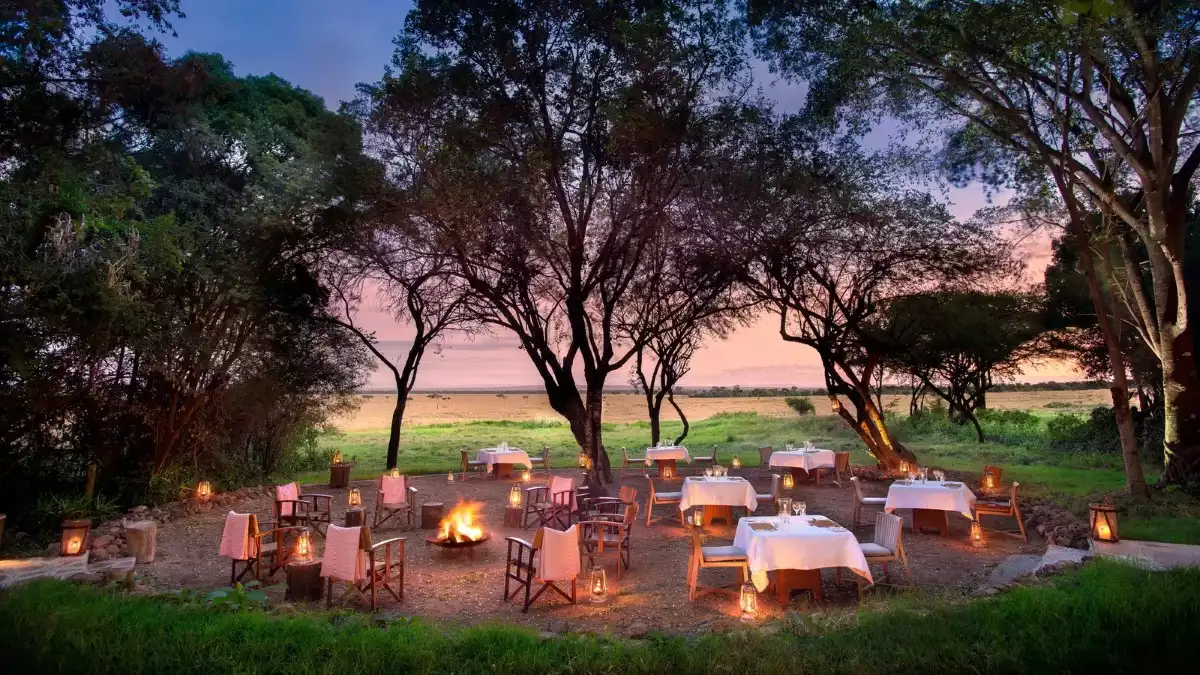

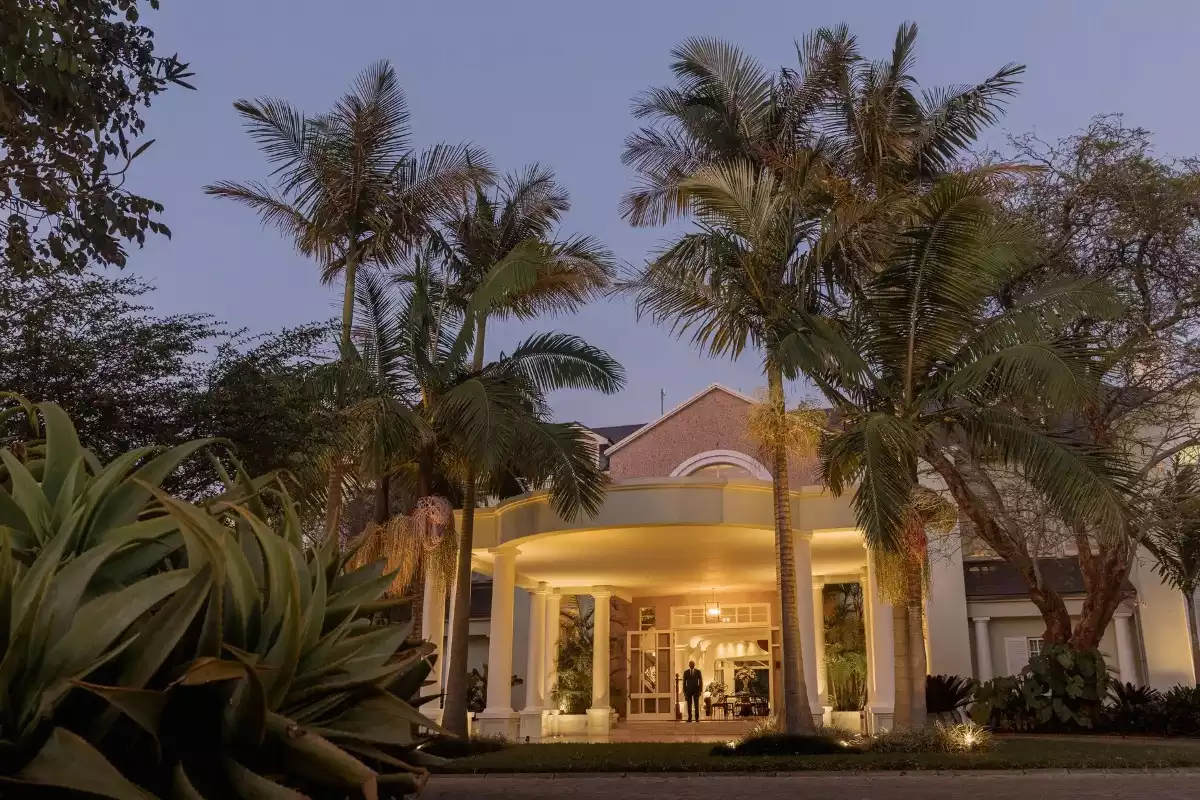
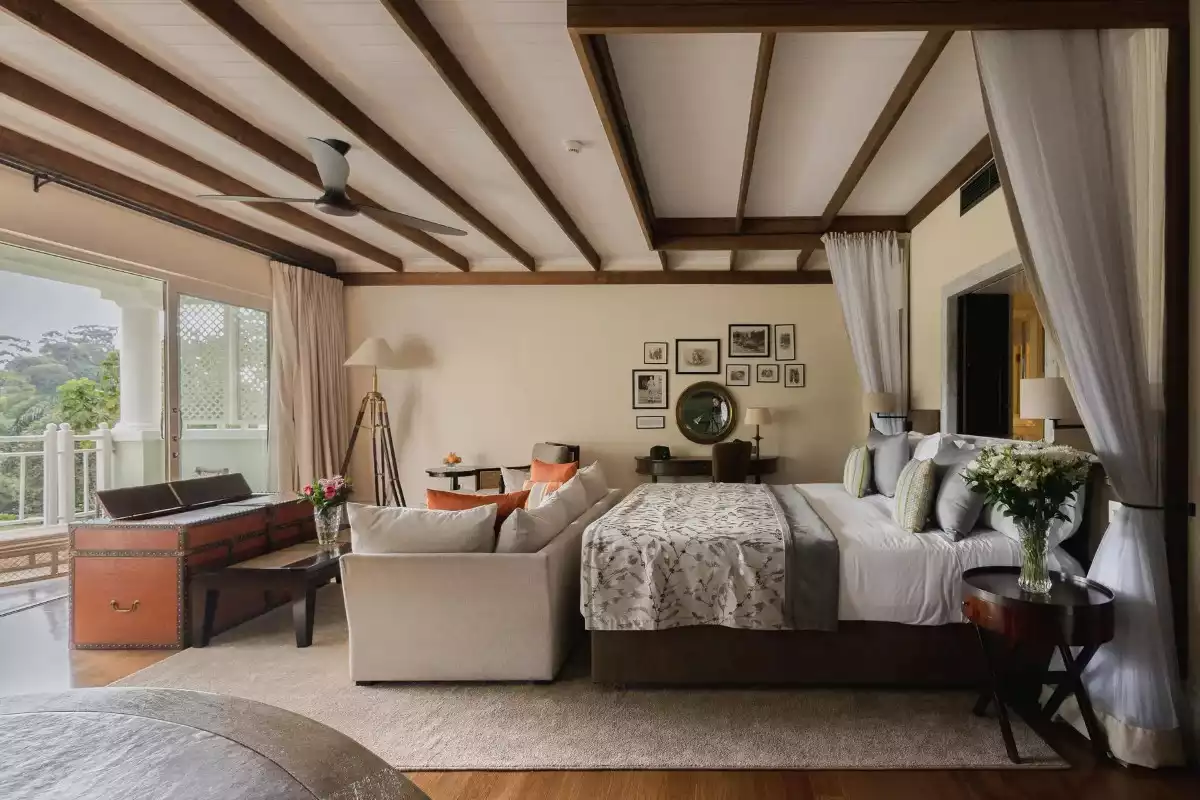

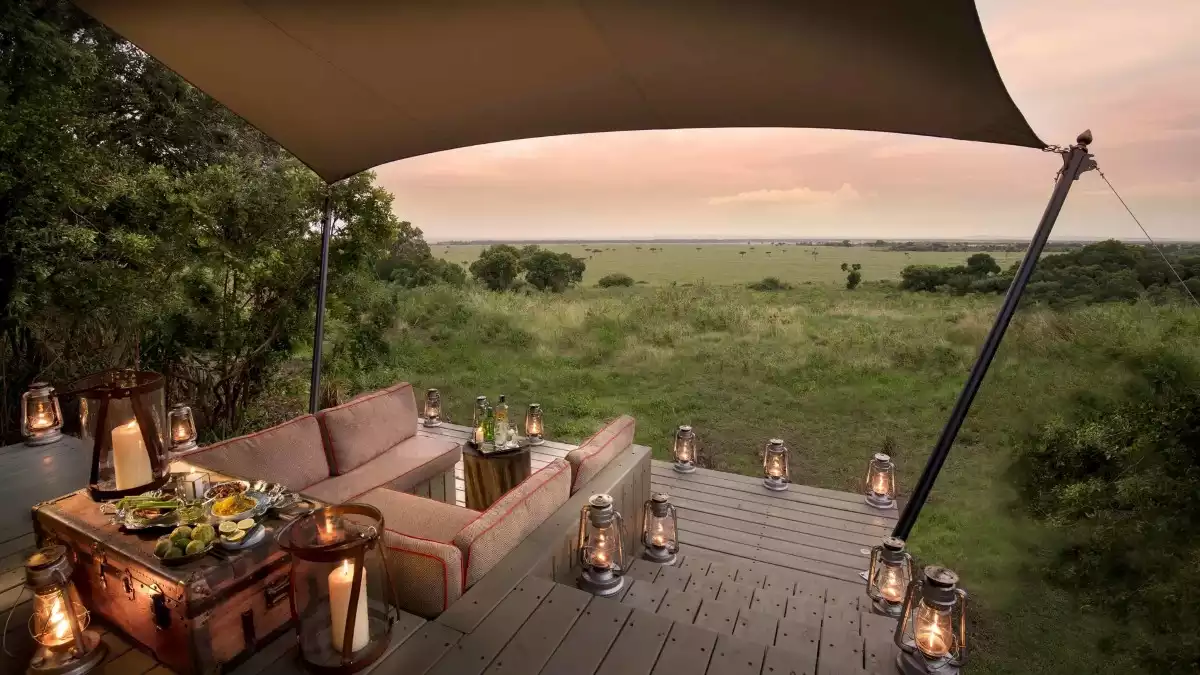
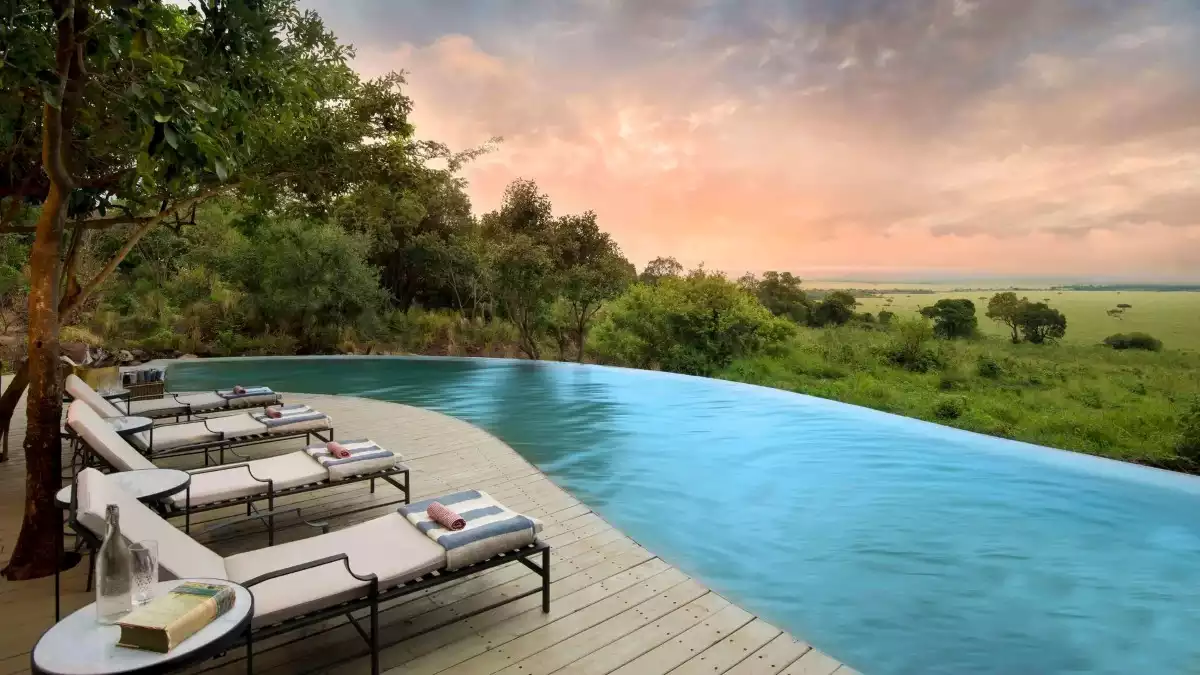
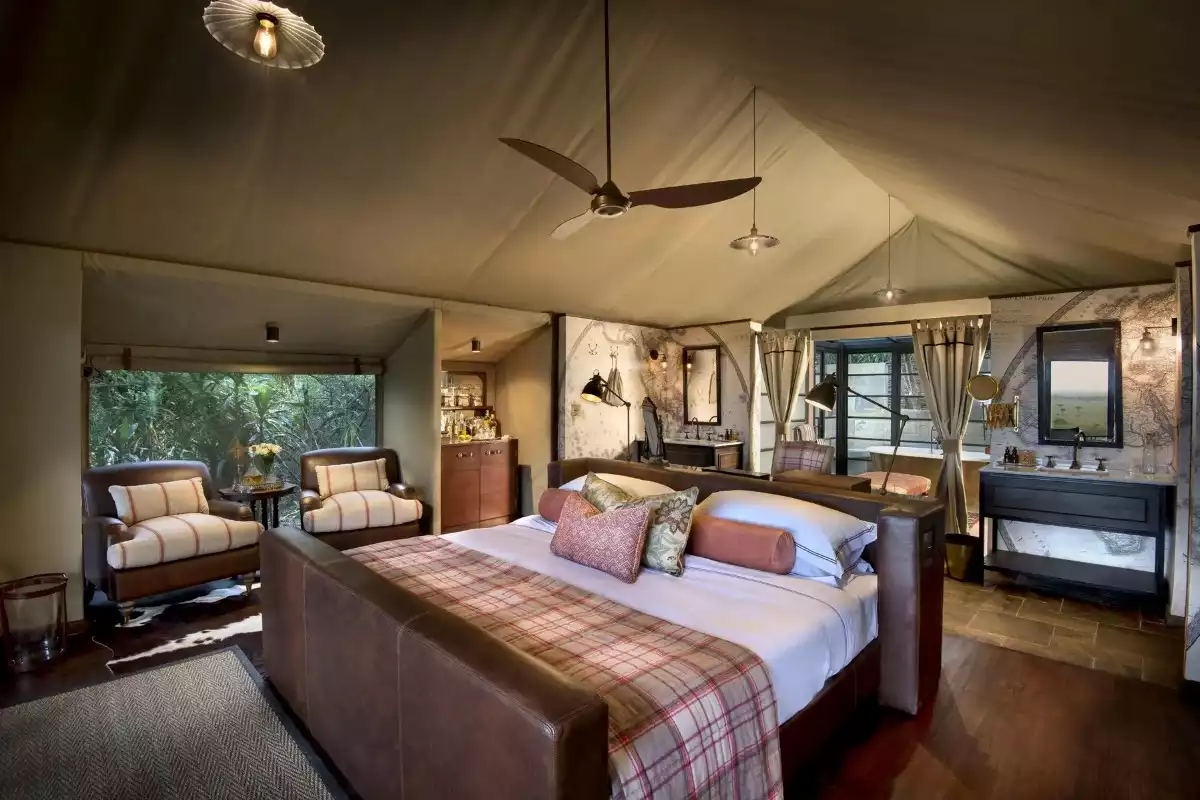
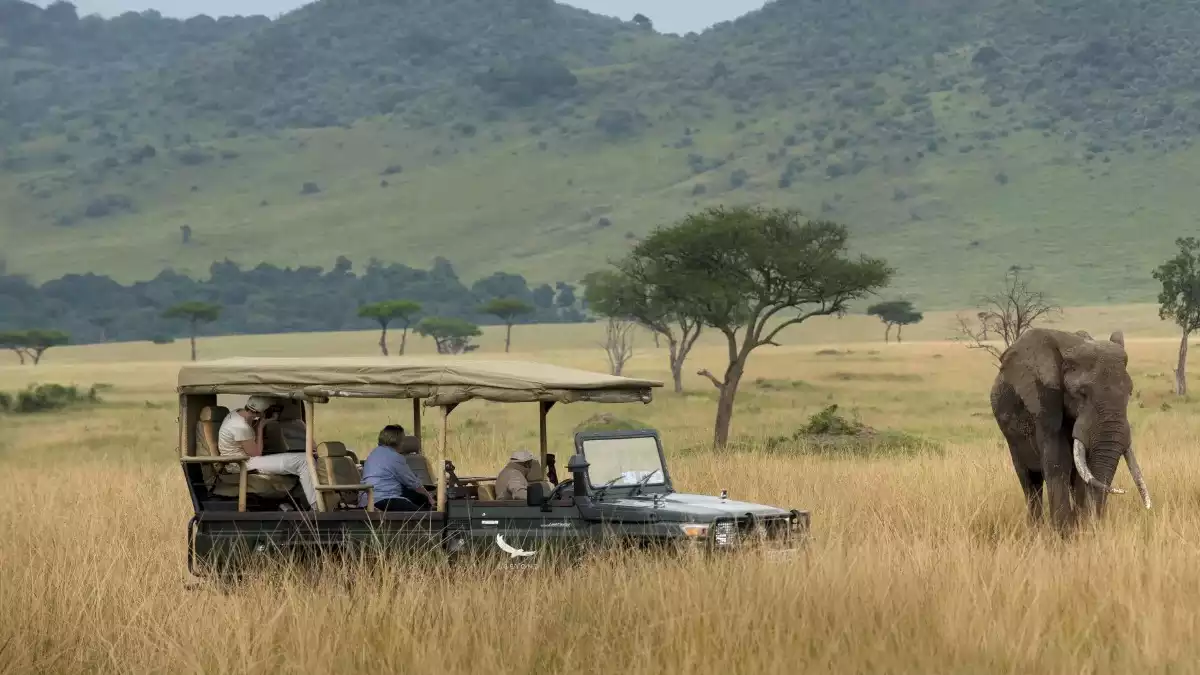
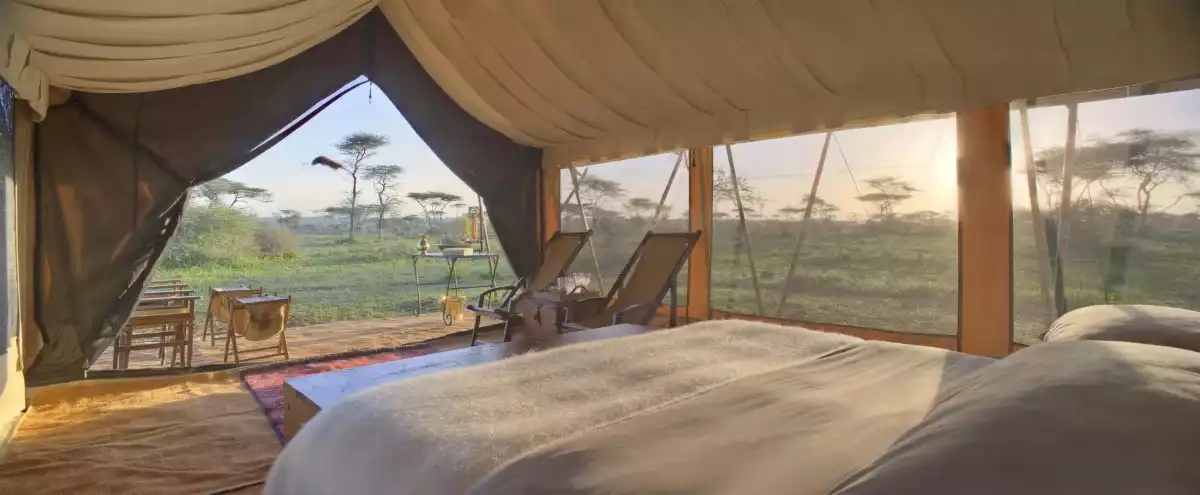
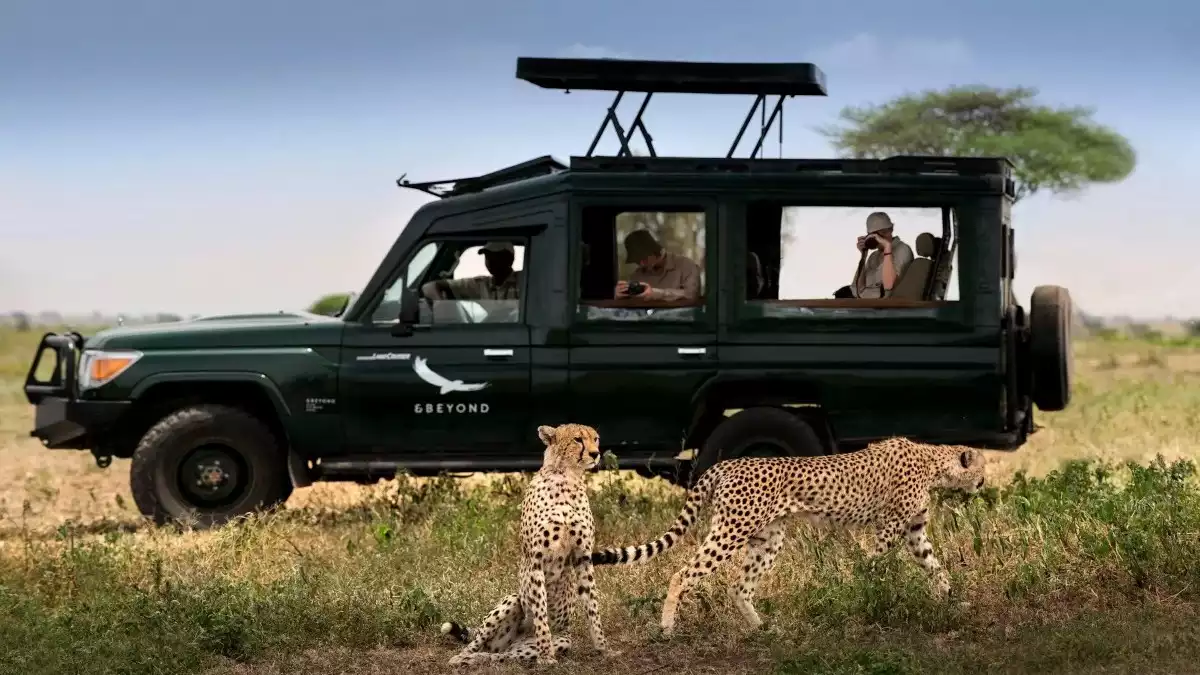
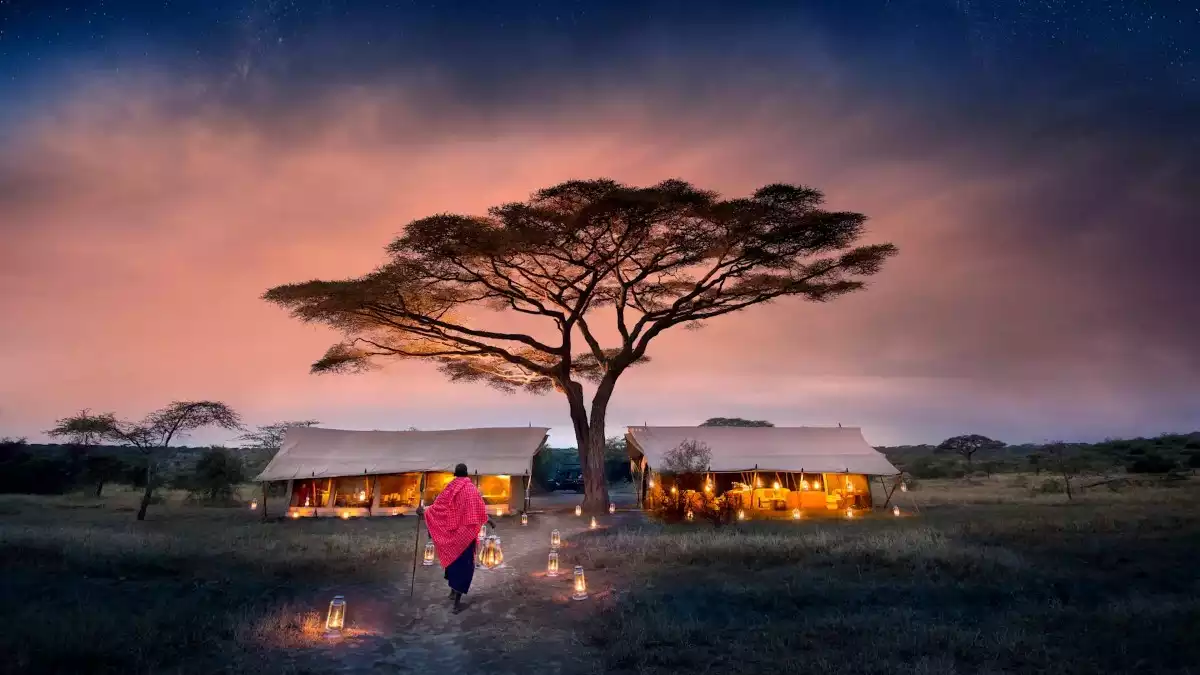
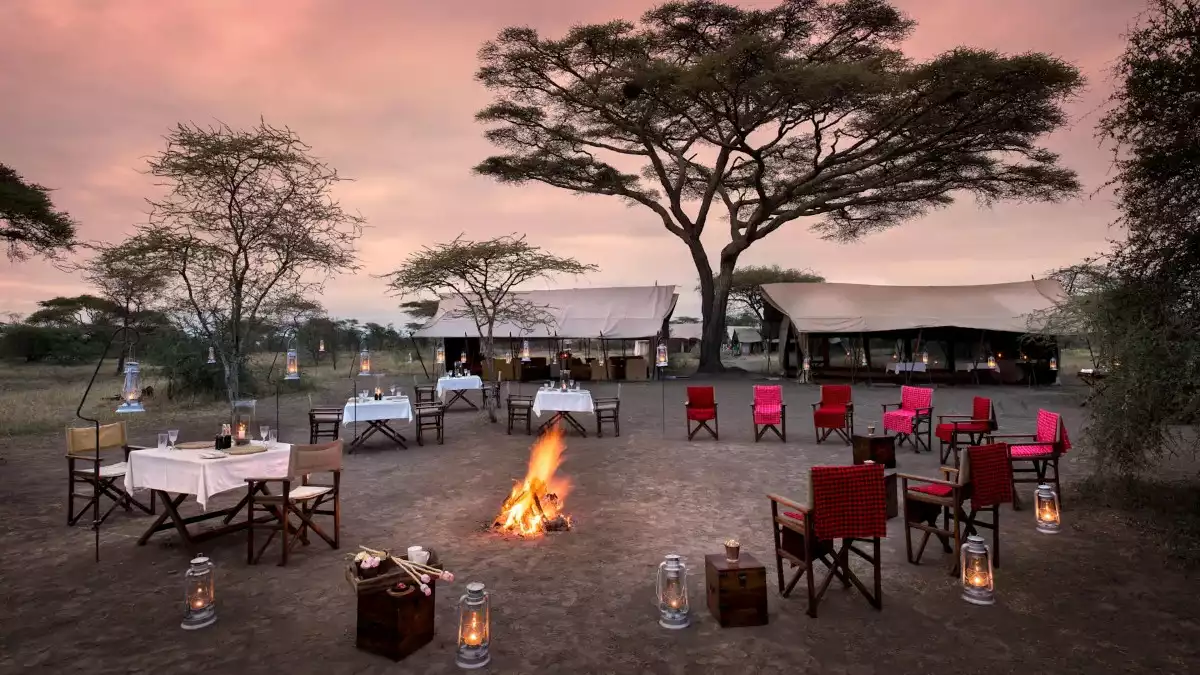
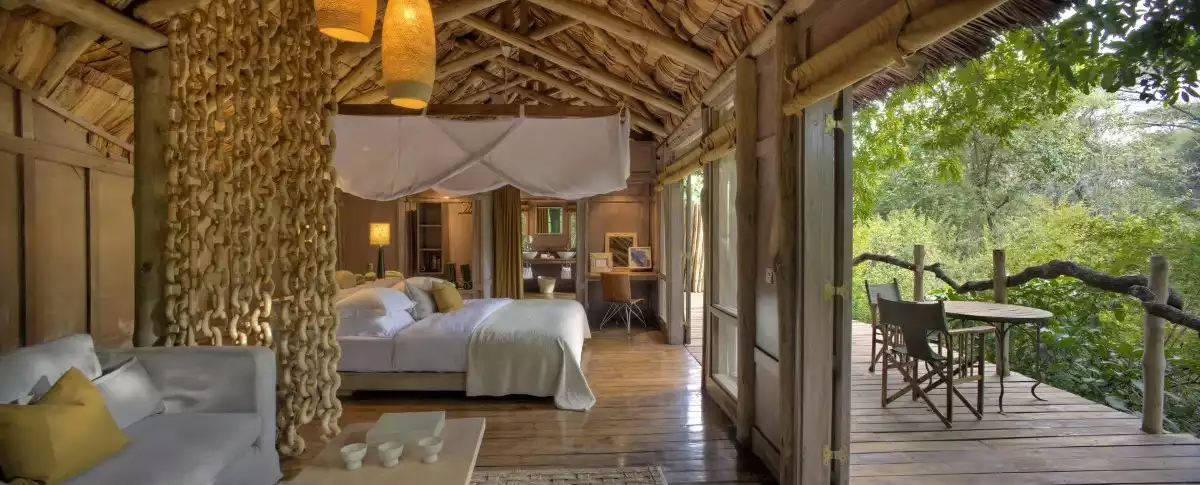
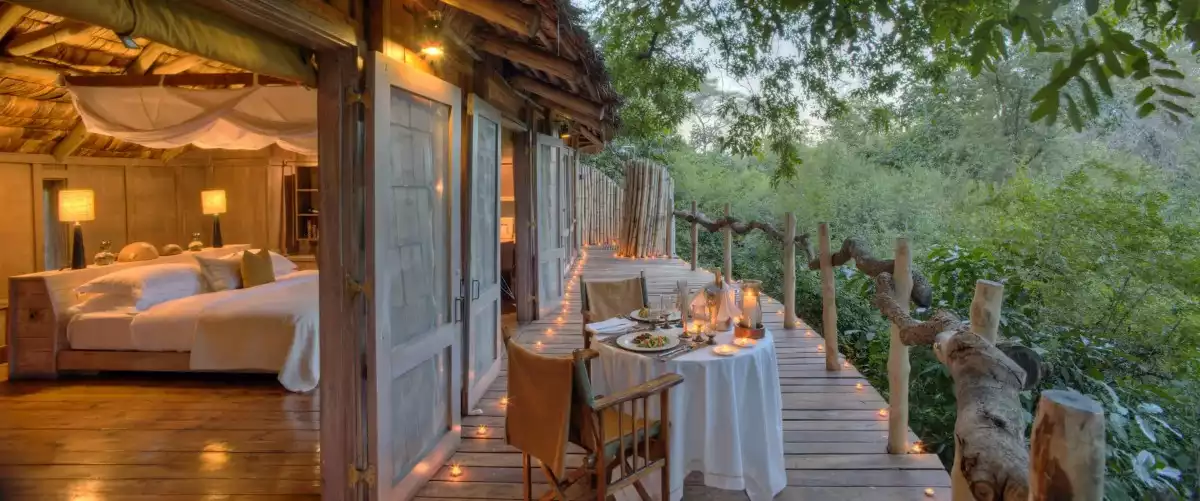
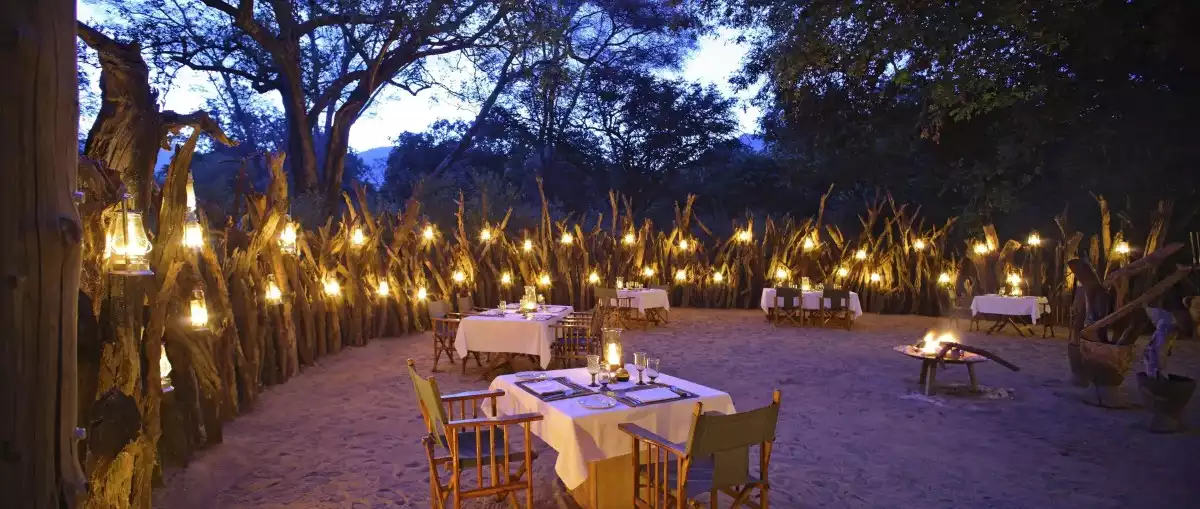
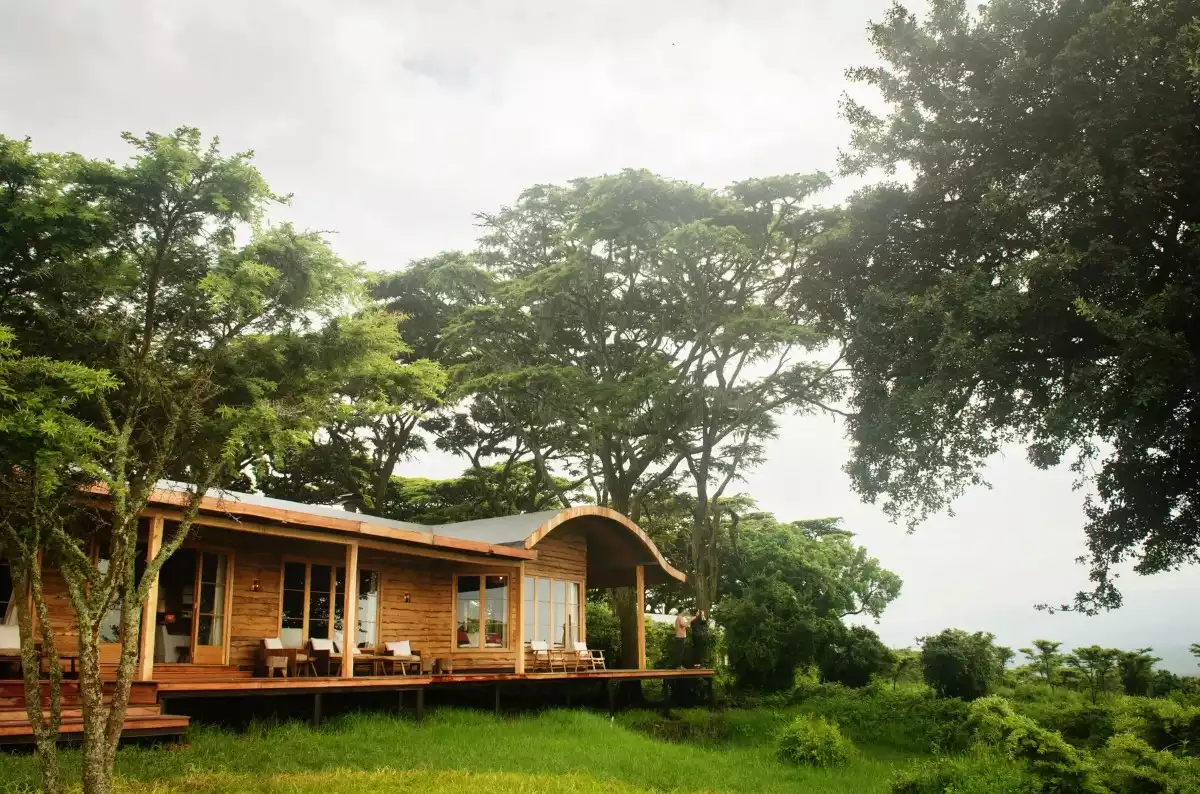
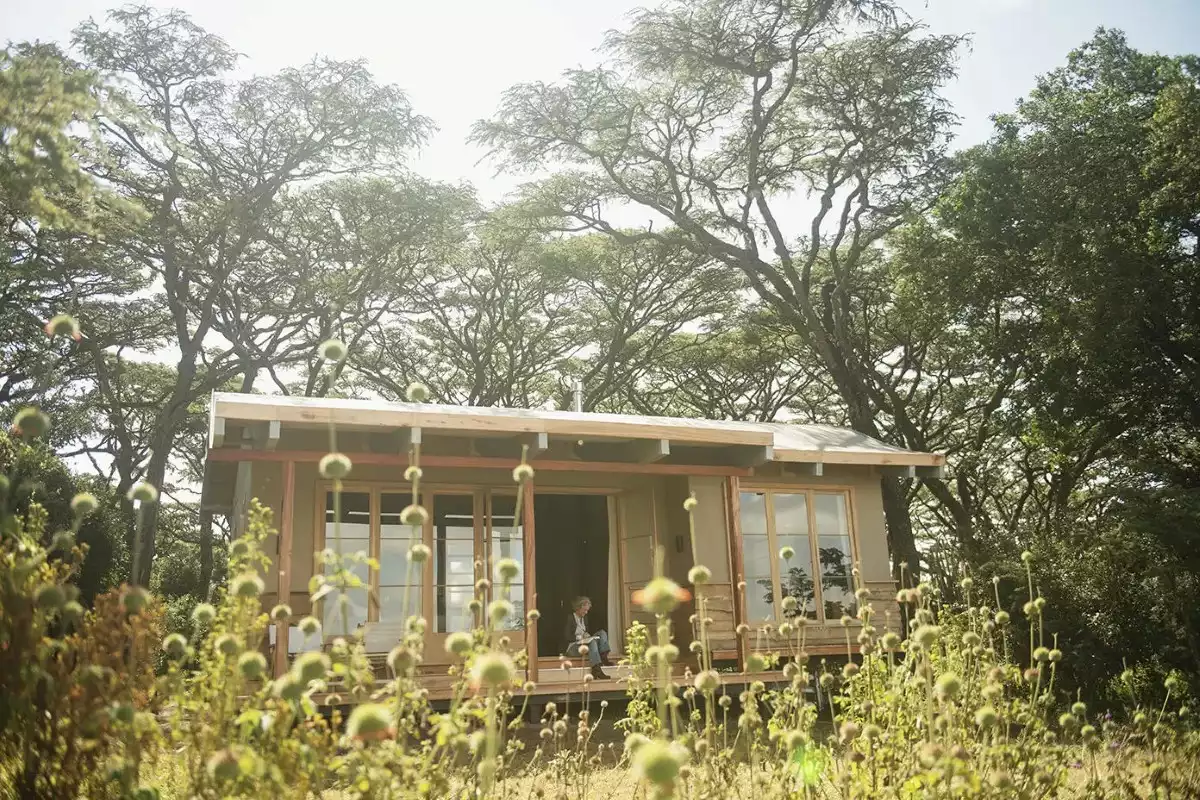
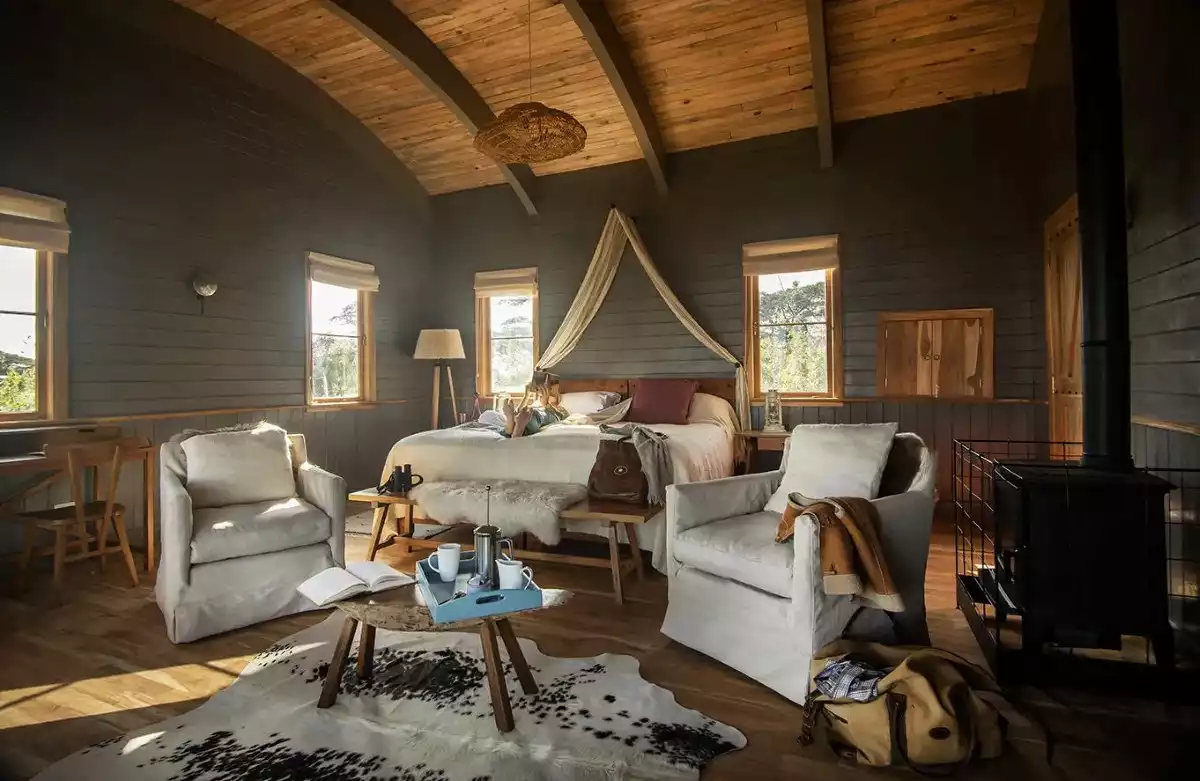
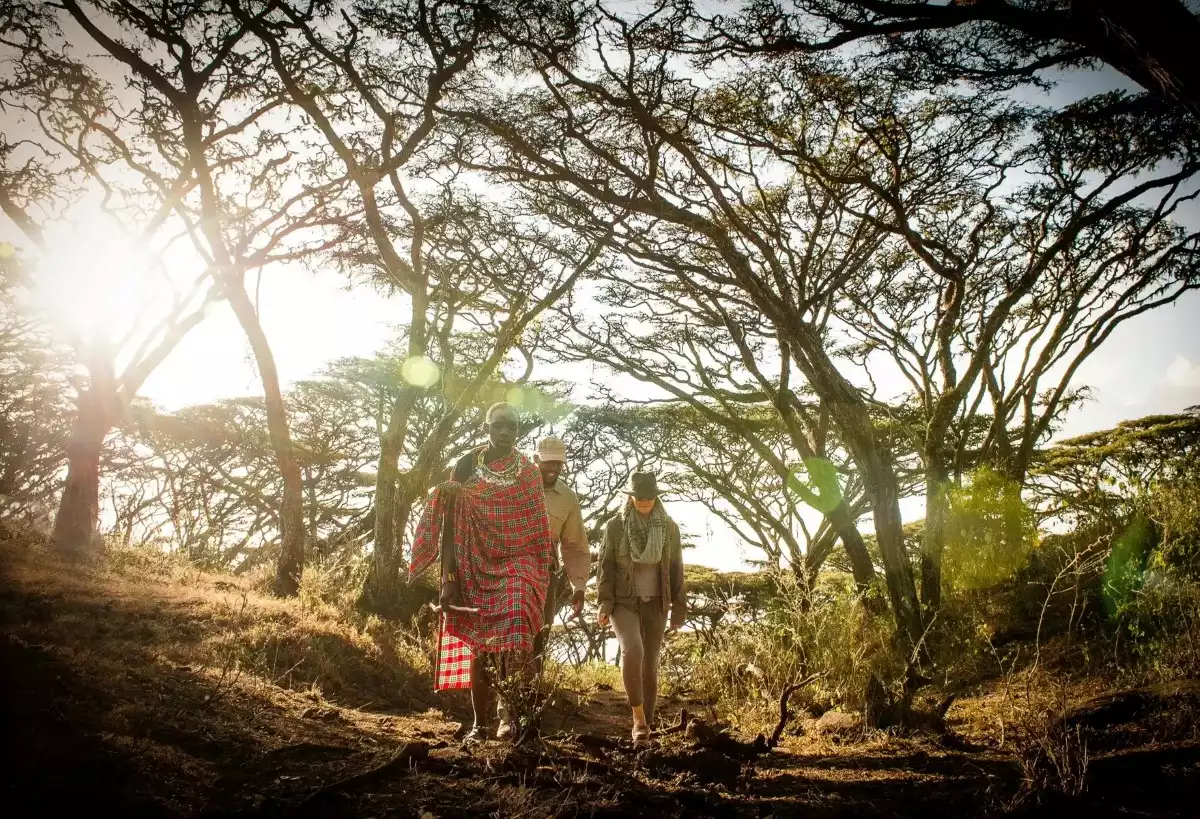
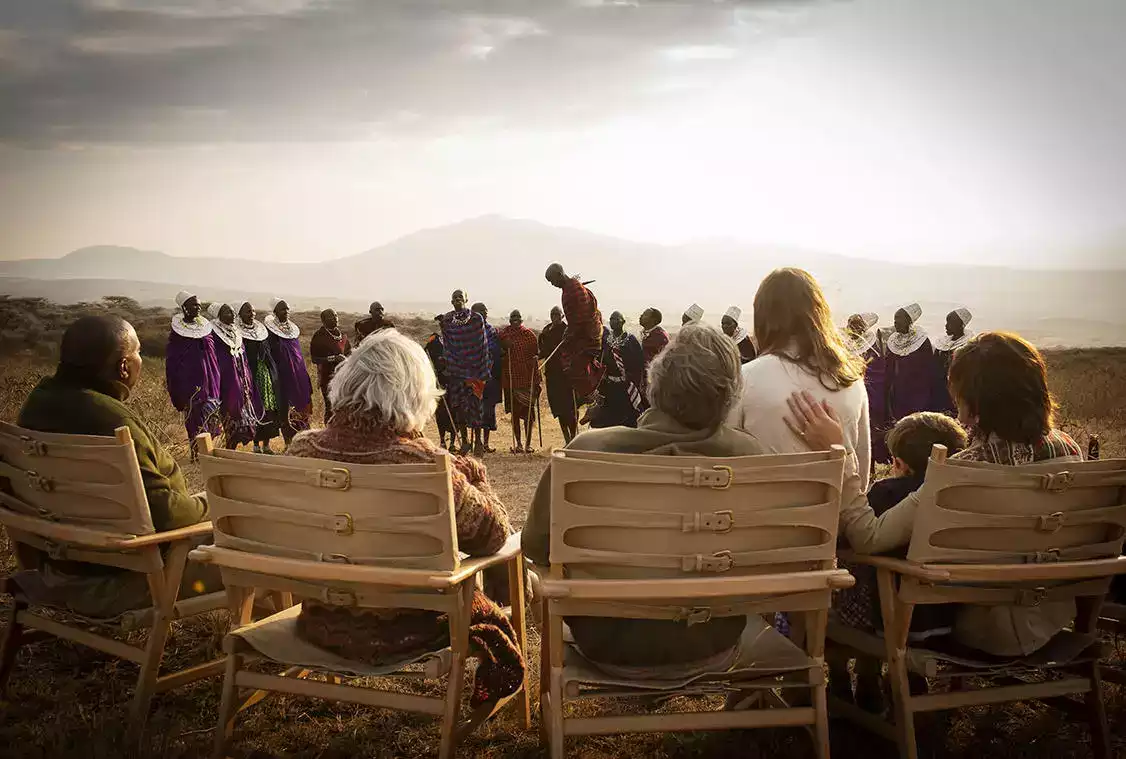
| Nine days is enough time to settle into a place properly, and short enough that you're not digging for the last tea bag by day seven. The trip is the Masai Mara, Serengeti and Manyara Grande Finale, and it runs on the assumption that comfort should never be an afterthought. Ours didn't feel rushed once. Mornings arrived when you wanted them to, and the days kept a generous shape around the animals rather than the other way round. The Mara comes first. The plains there roll out gold for what looks like forever, and the light at six in the morning changes the colour of the grass in a way a photograph can't hold. You'll see the Big Five, but the pleasure isn't in the counting. It's in the long pause after an elephant herd crosses in front of your verandah while a chilled gin and tonic sweats gently in your hand. The lodge itself is elegant canvas and beds you'll resent leaving, and the staff have a way of producing a plate of warm scones before you've quite worked out that you're hungry. We had one waiter, Joseph, who remembered how my wife takes her coffee on the second morning without being told. Then the Serengeti, which is to the Mara what a royal estate is to a country house. The wildebeest migration passes through in numbers that stop conversation, and the best view of it is from a hot air balloon a few hundred feet up, drifting with the herds below you. It's quiet up there. Almost too quiet, given what's underneath. Back on the ground, dinner is served under a sky thick with stars, and the talk tends to drift to whether the cheetah you saw that afternoon picked its gazelle with any particular care. I'd say the odds are roughly even that your table argues about it for an hour. Lake Manyara closes the loop, and the scenery changes completely. Groundwater forest, green and cool, and the tree climbing lions that everyone comes for. Watching one draped along an acacia branch, apparently of the view that the ground is beneath its dignity, is worth the drive on its own. A tented camp overlooking the water makes a fine base, and the flamingos turn the shallows pink at dusk. My wife spent forty minutes trying to photograph a single bird in flight and got eleven frames of empty water. The exclusive side of the arrangement shows in the small things. No jostling for position at a sighting, no scramble for the good angle, and guides who read these animals well enough to place you somewhere remarkable without disturbing a twig. Ours knew the difference between a herd about to move and one that had settled for the afternoon. That saved us a lot of waiting. You'll spend a fair amount of time thinking about the scale of the place. Then someone says something daft and you're back in the moment. It leaves you rested in a way a beach rarely manages. On the last evening a giraffe stood at the edge of the camp for about twenty minutes, browsing a thorn tree, entirely unbothered by the four of us watching from the deck. |

Go Back