

|
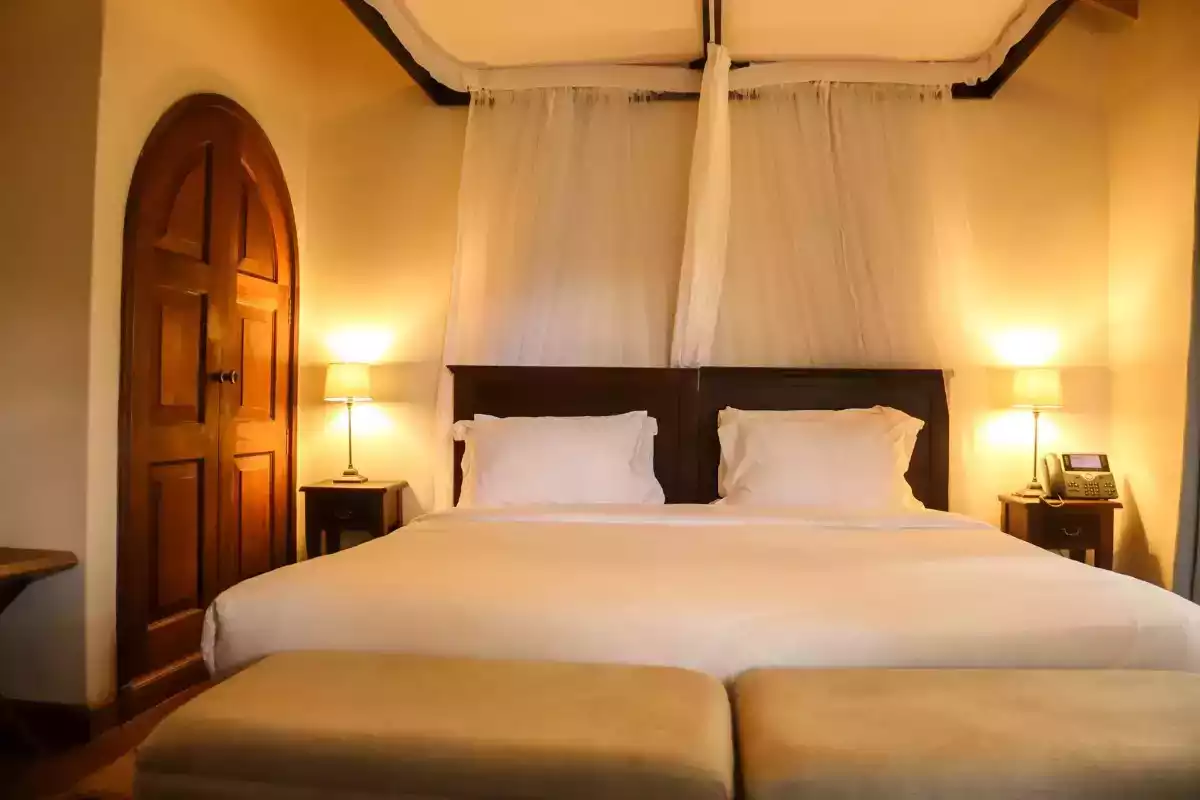
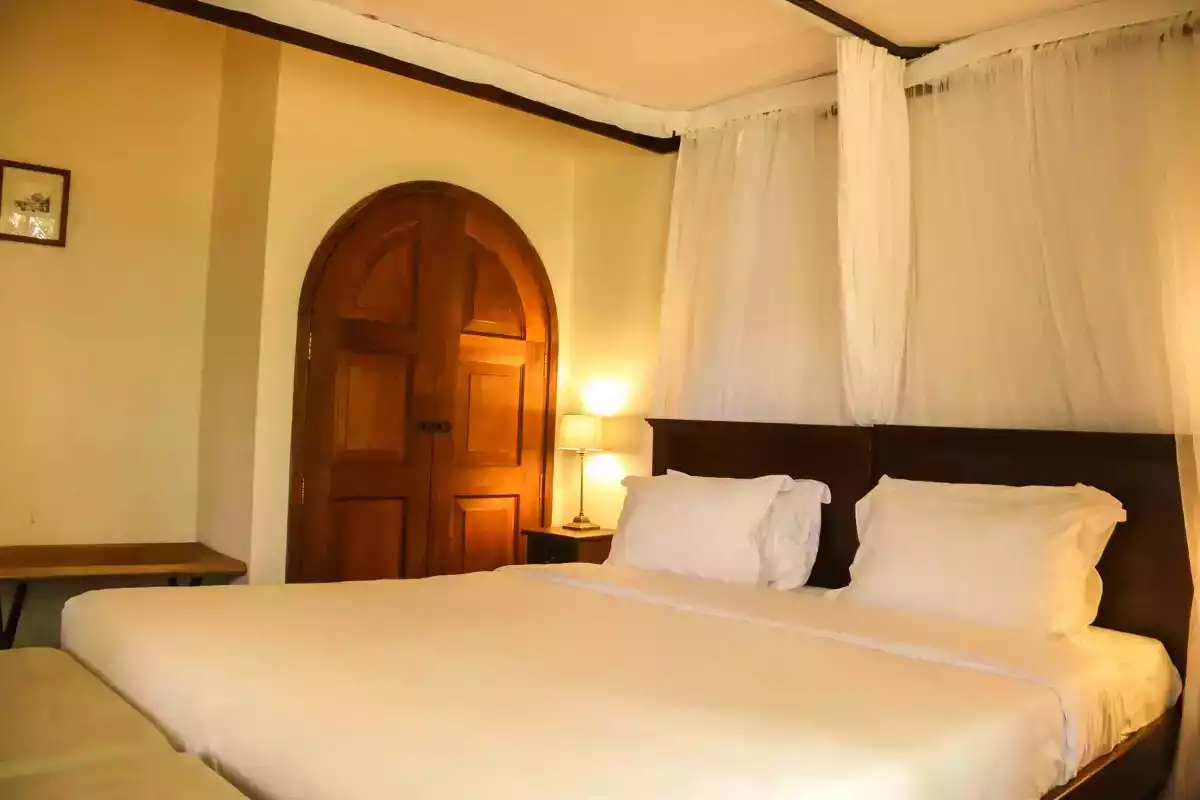
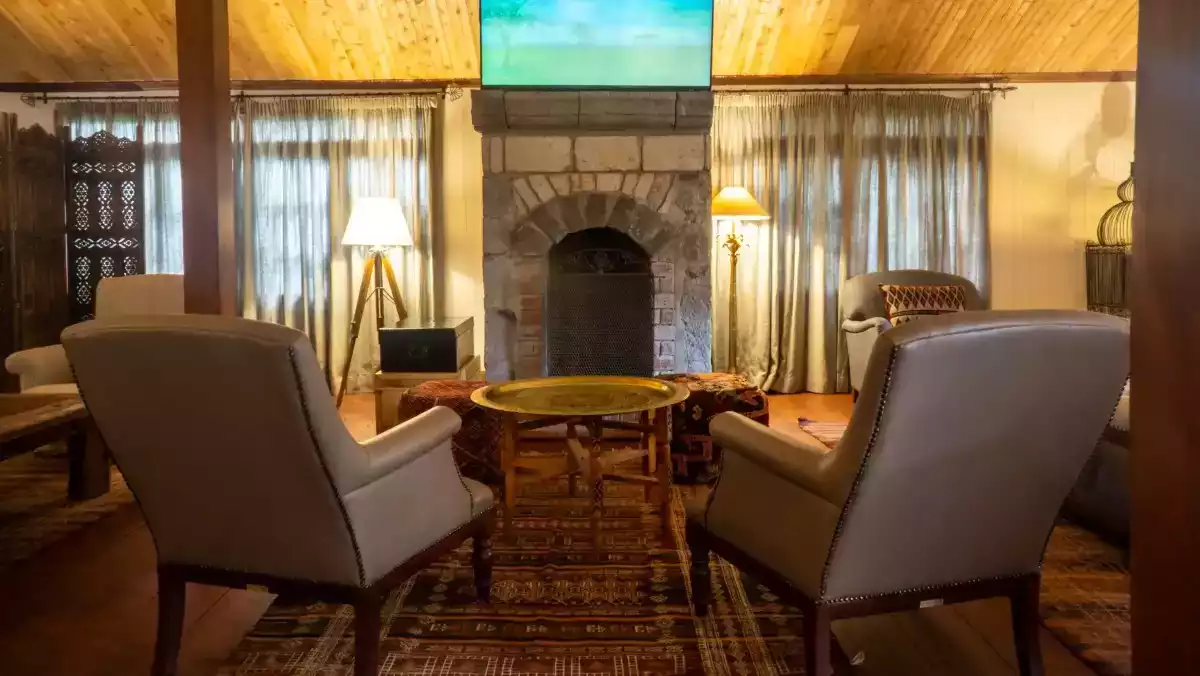
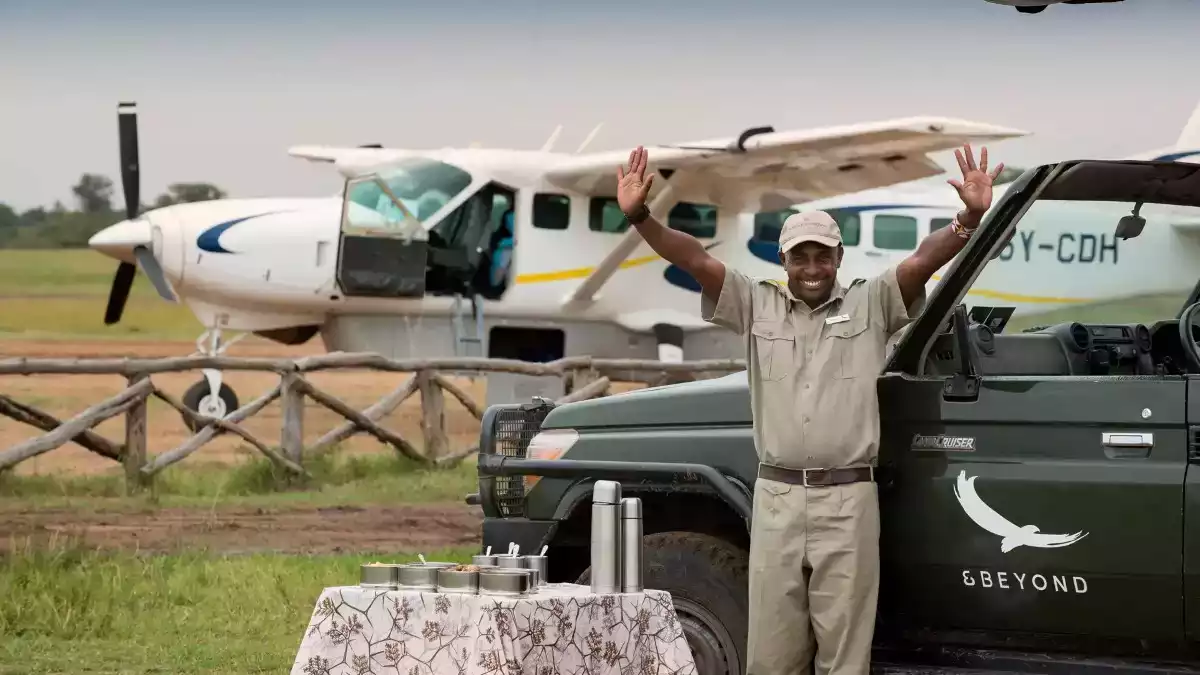
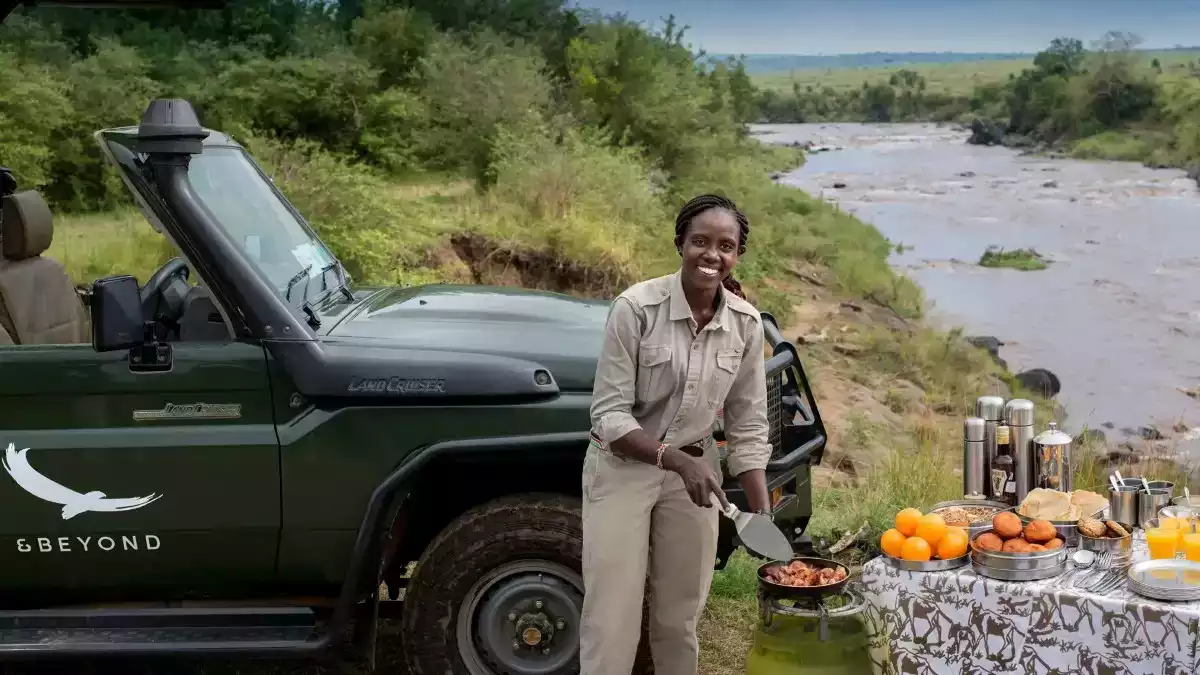
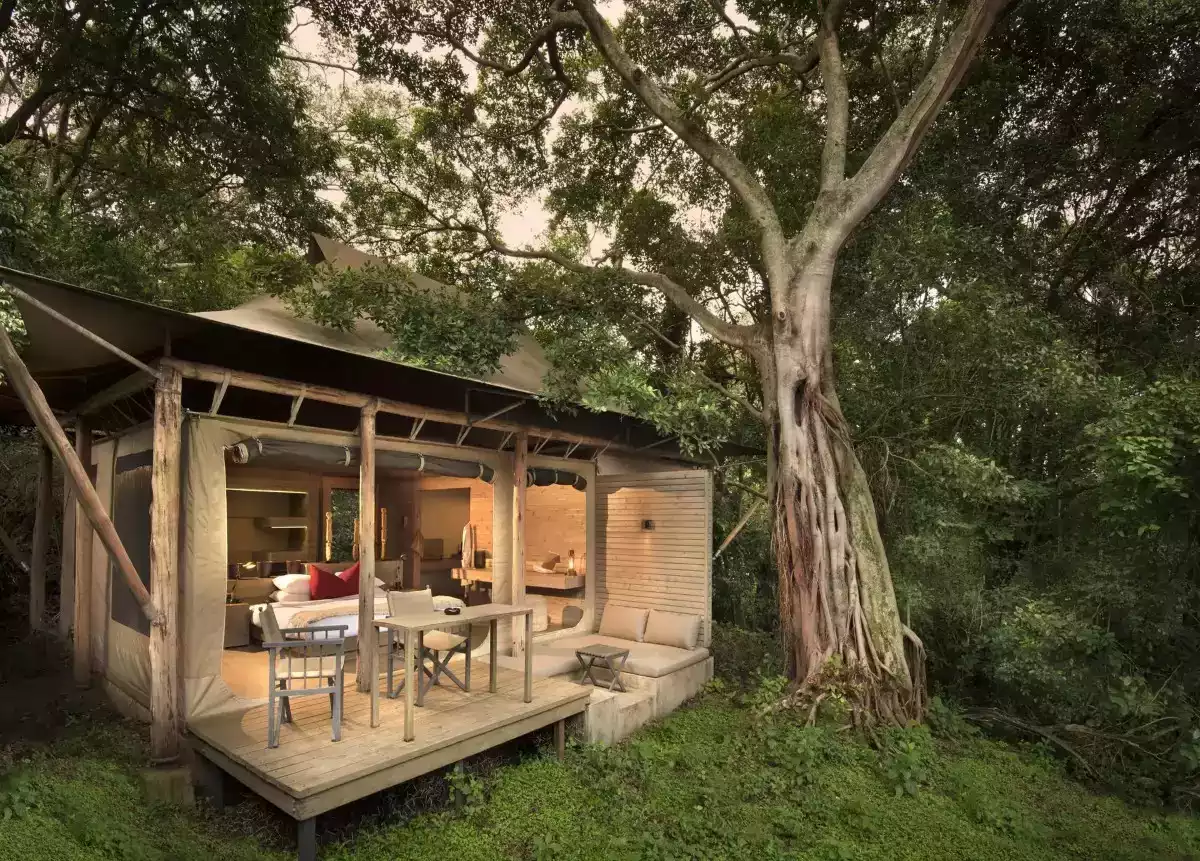
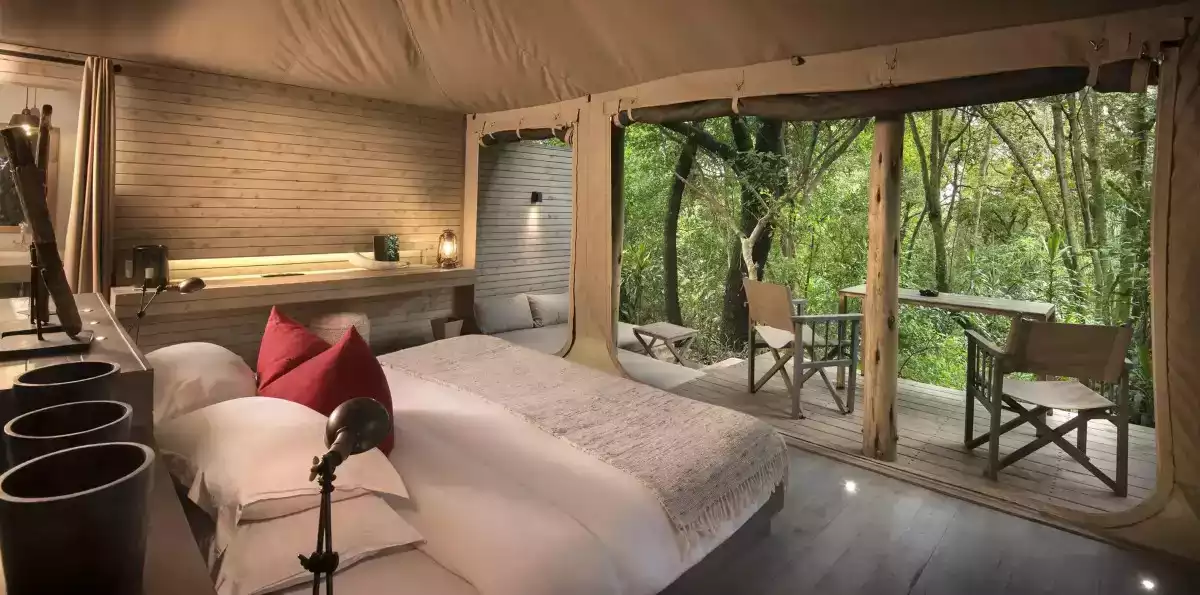
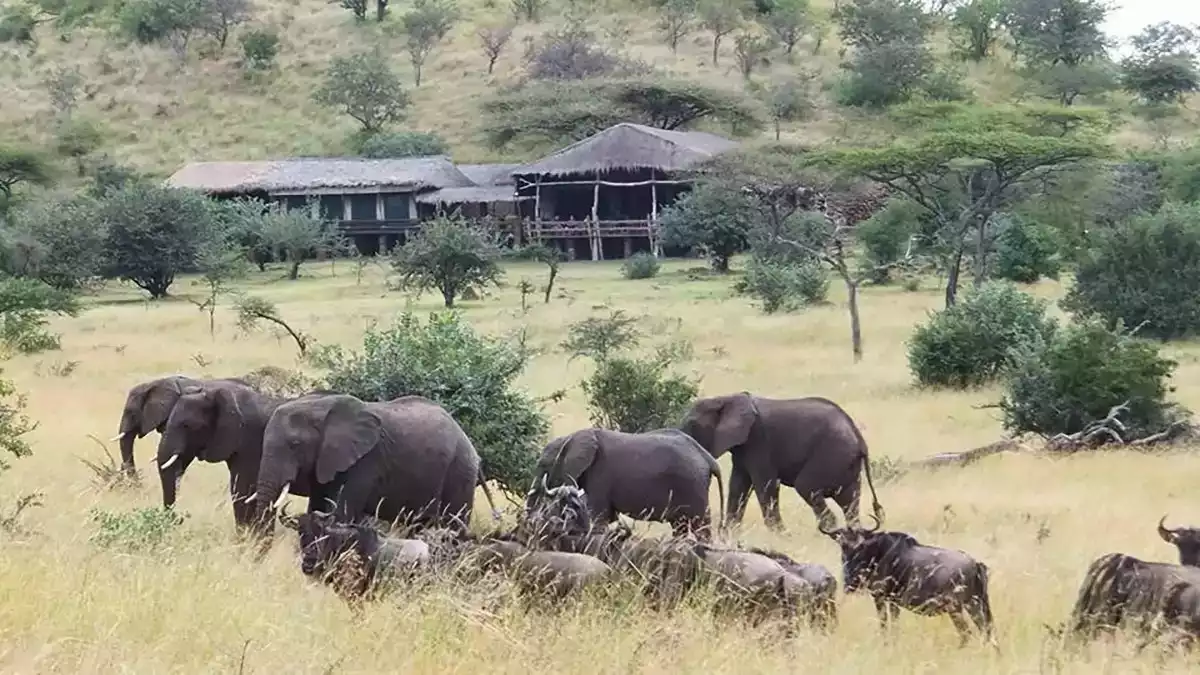
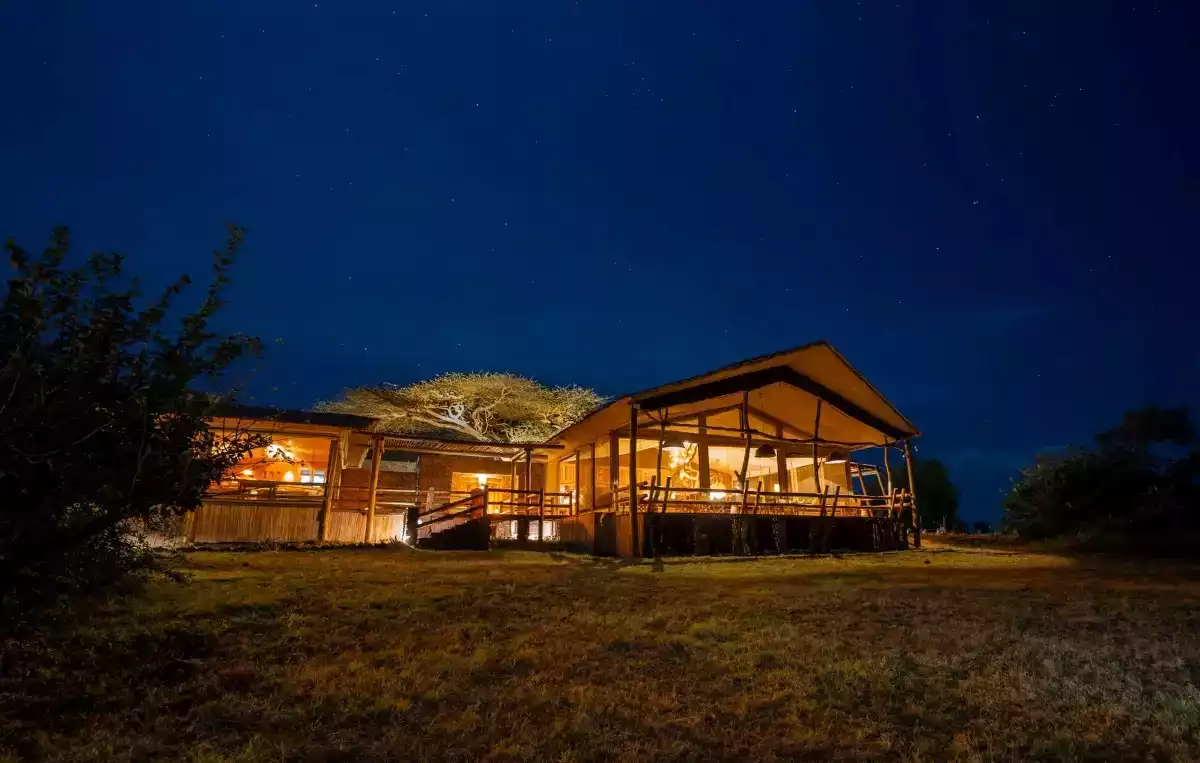
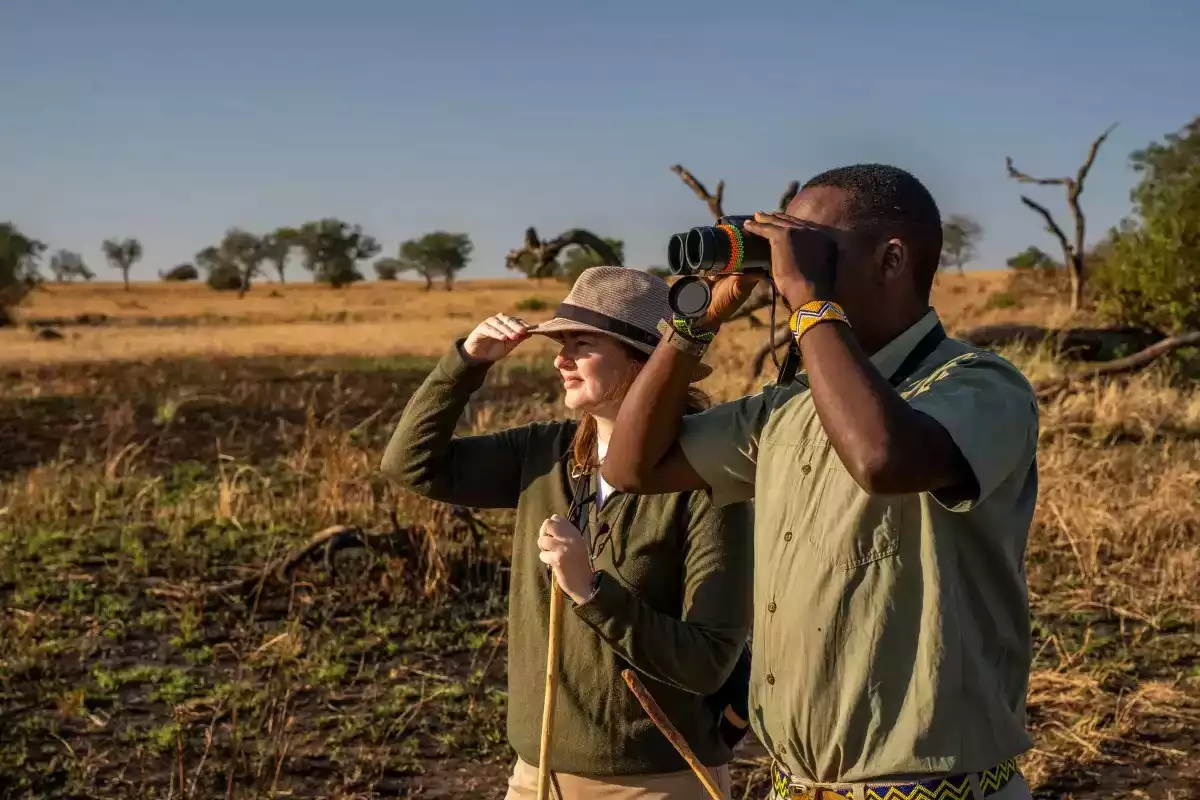
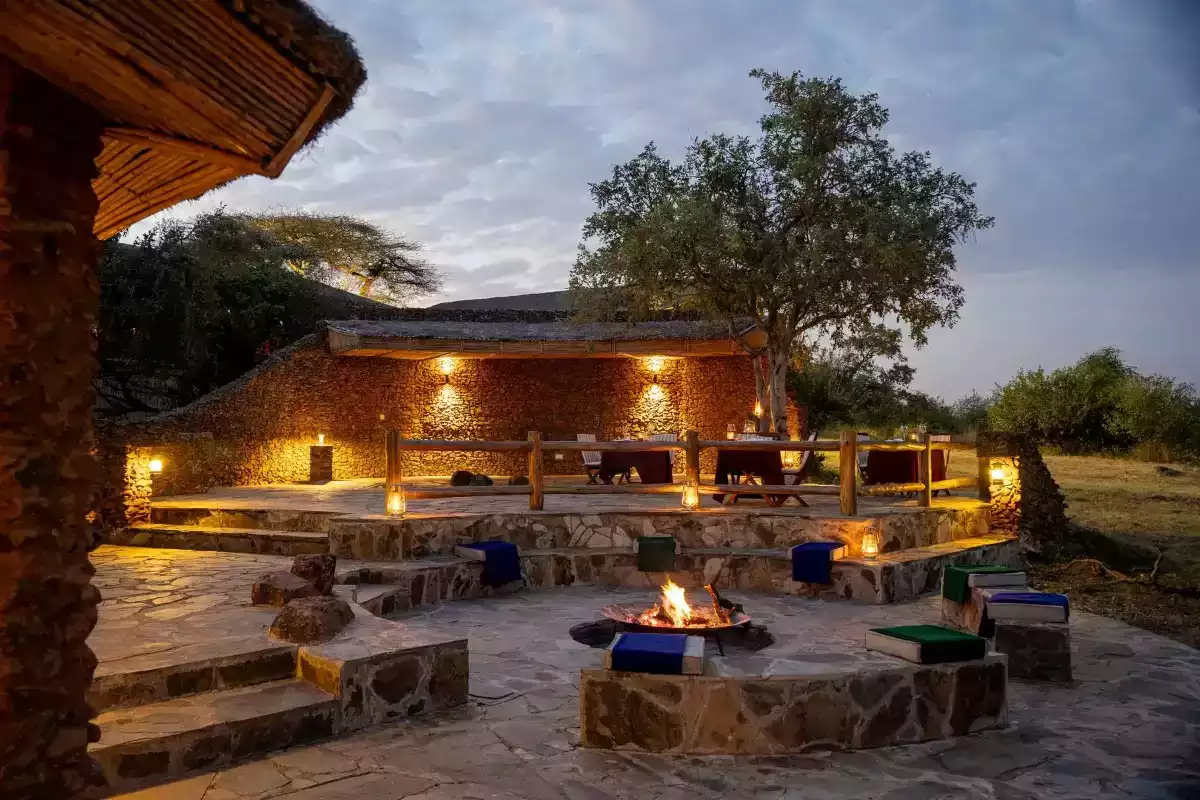
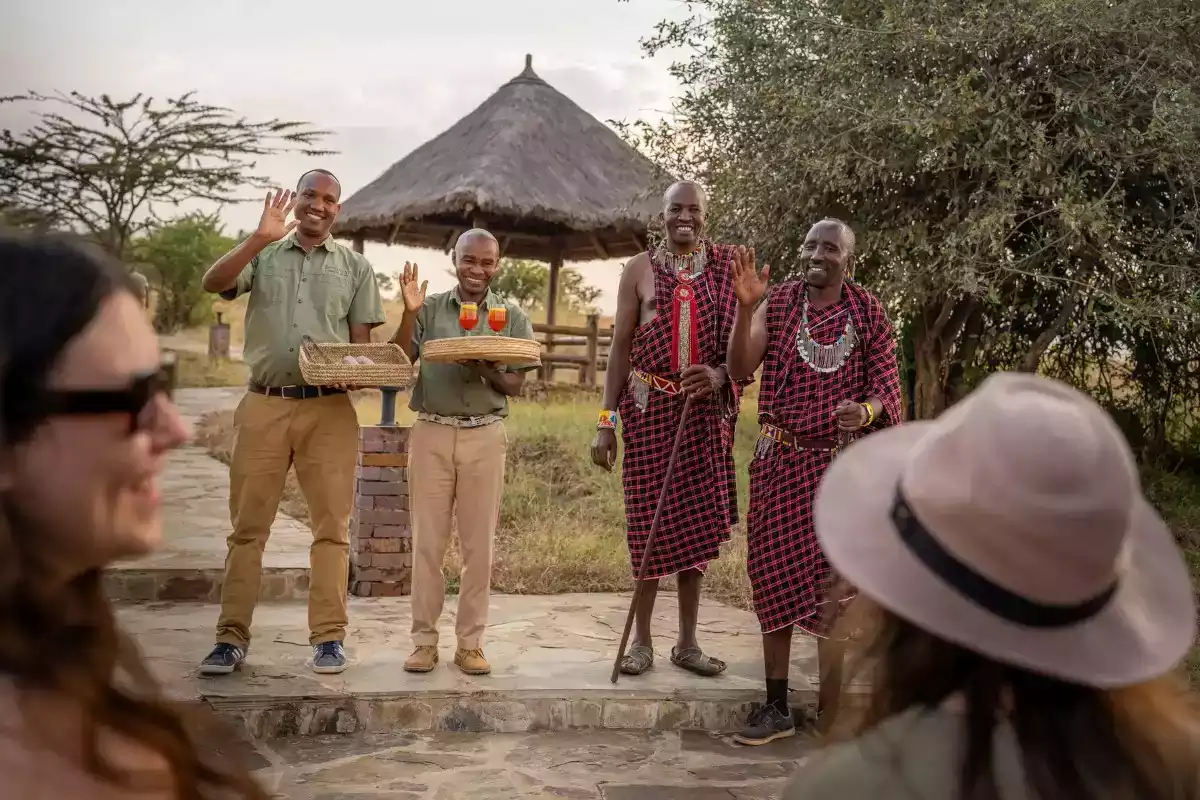
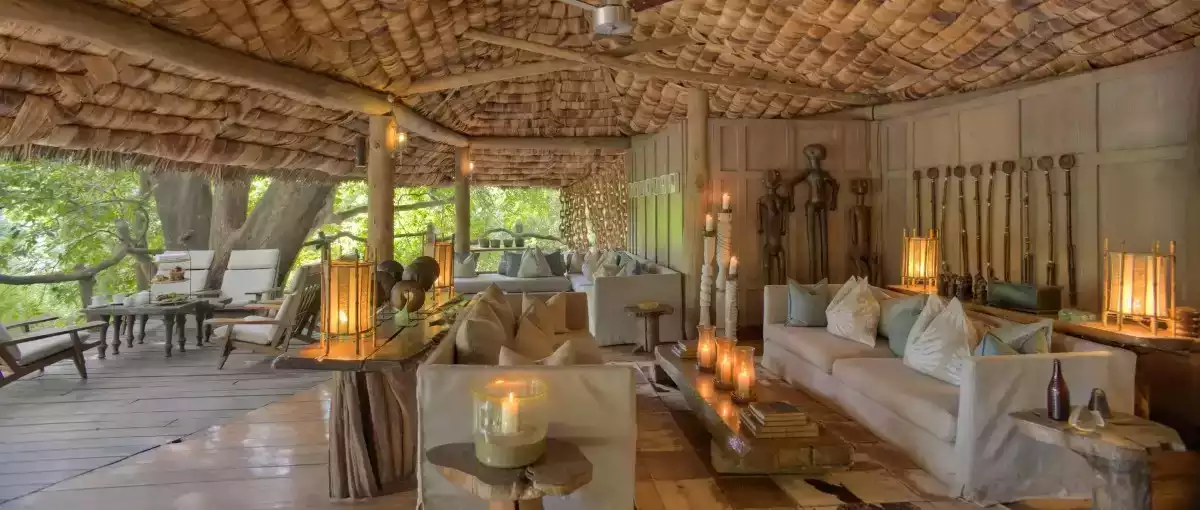
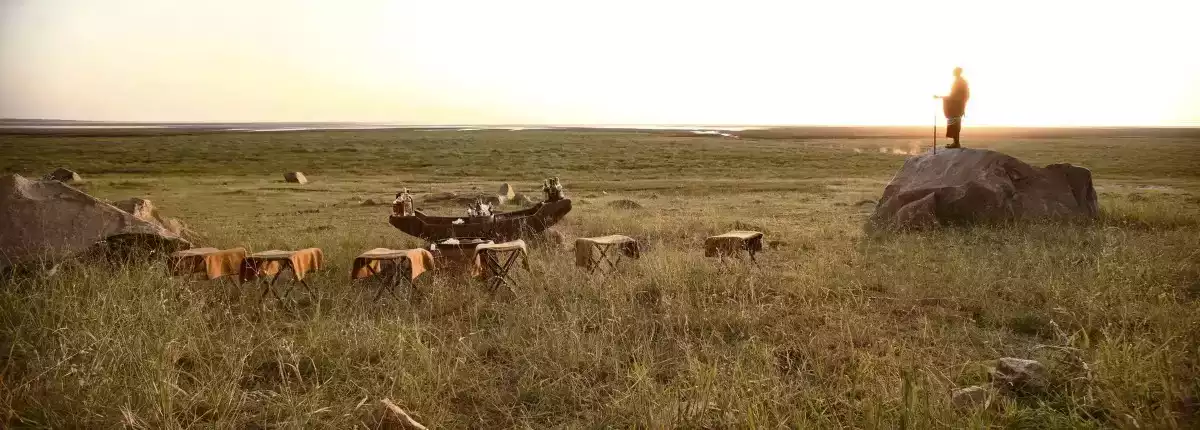
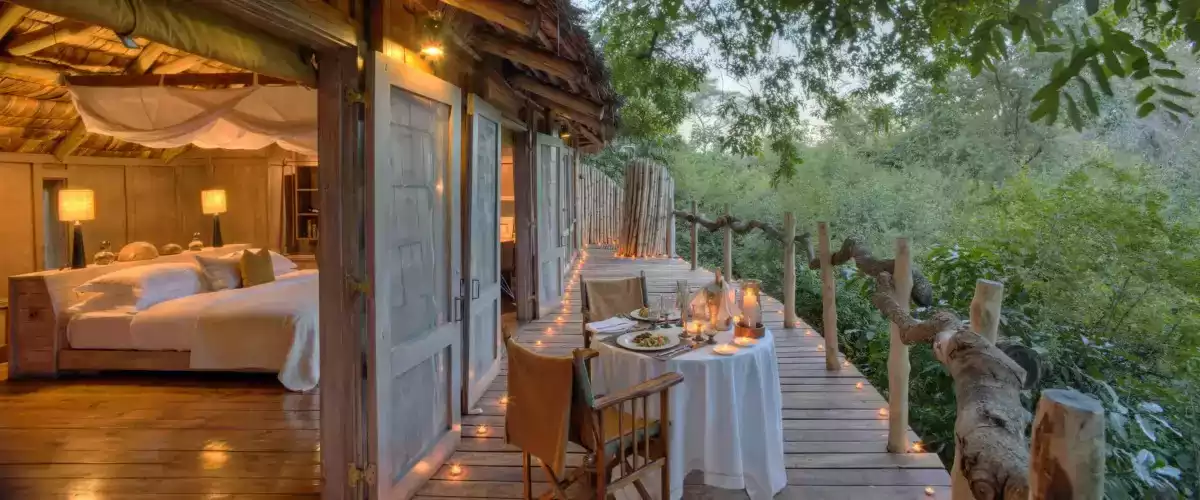
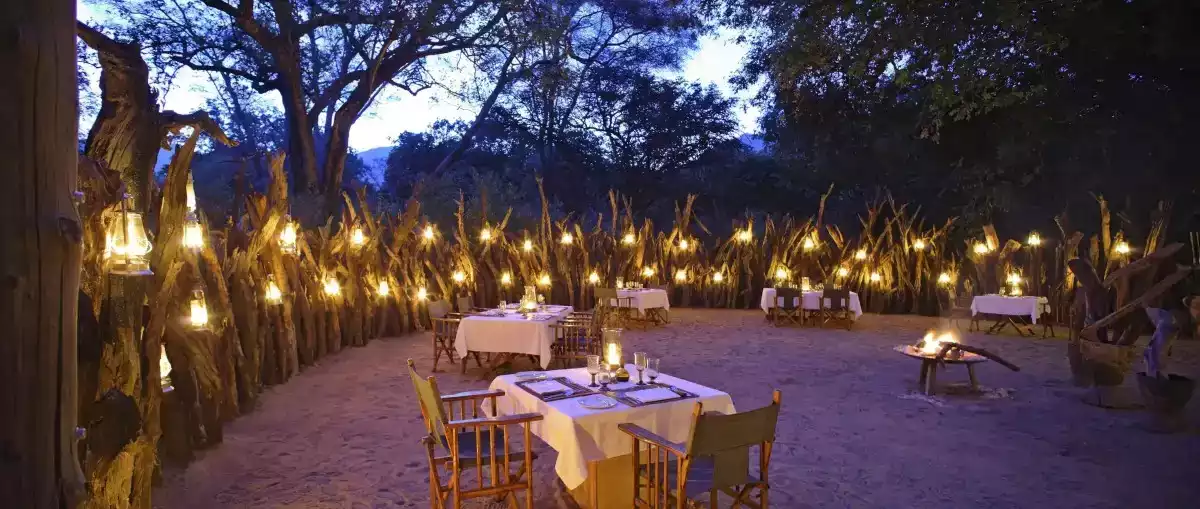
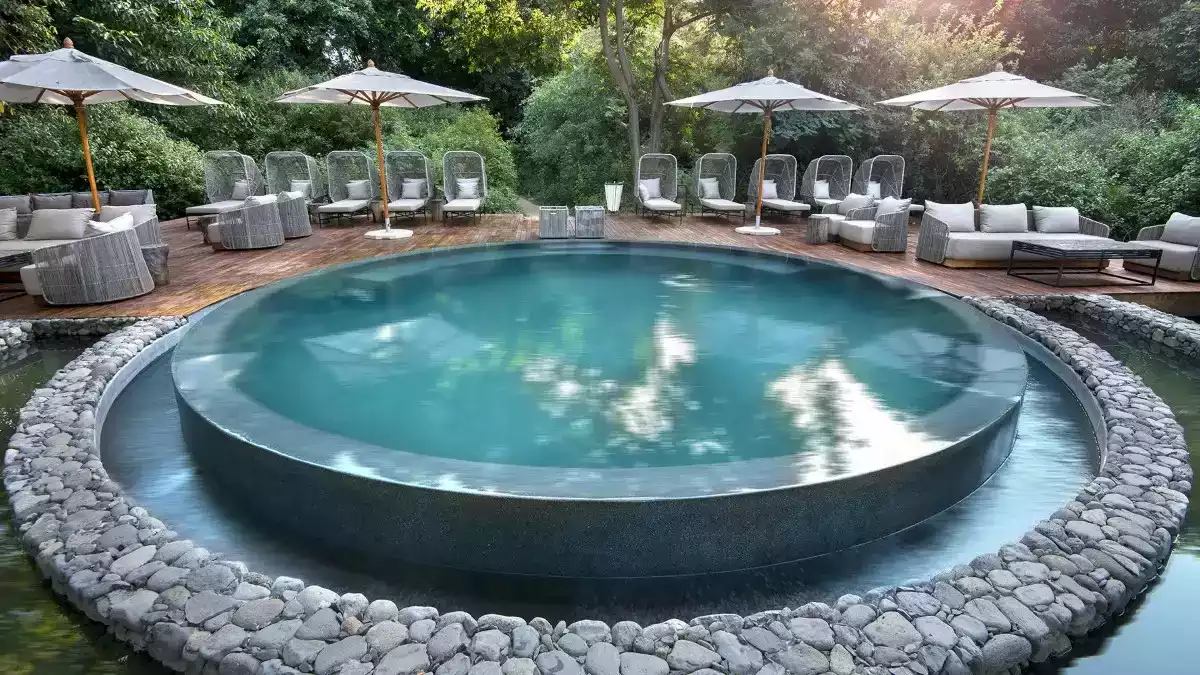
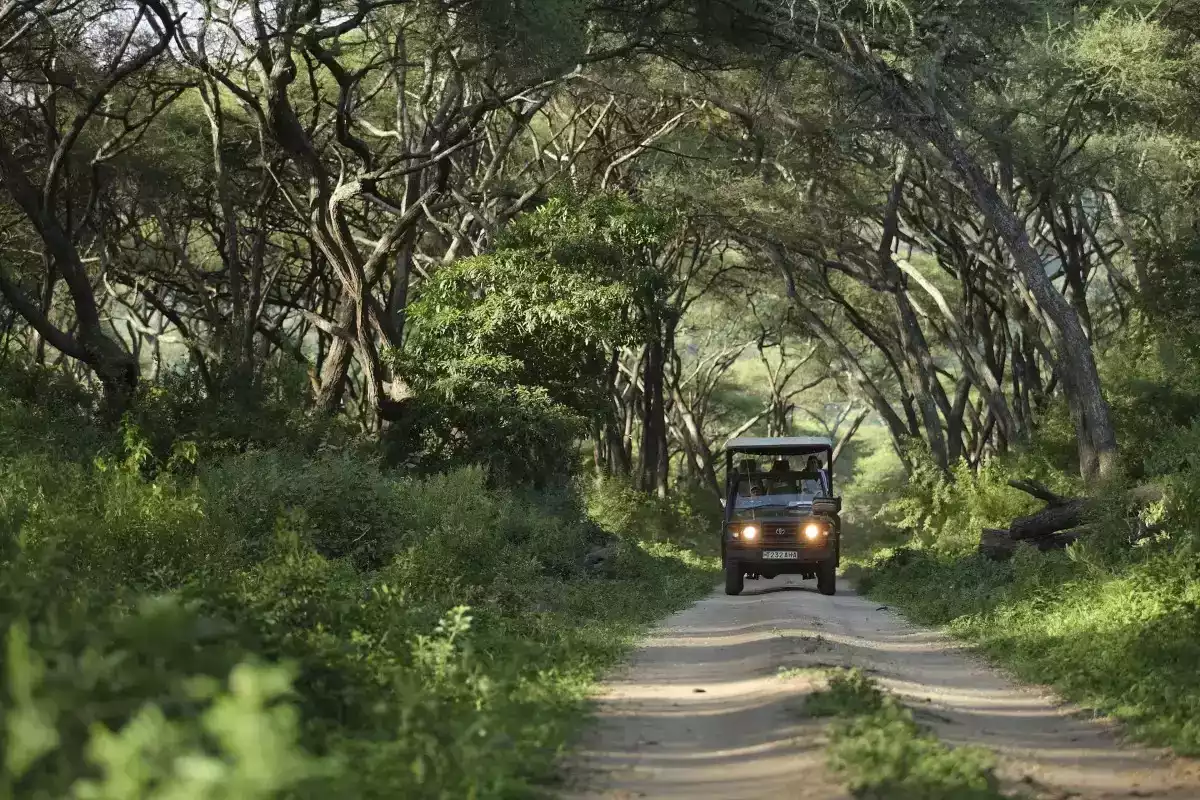
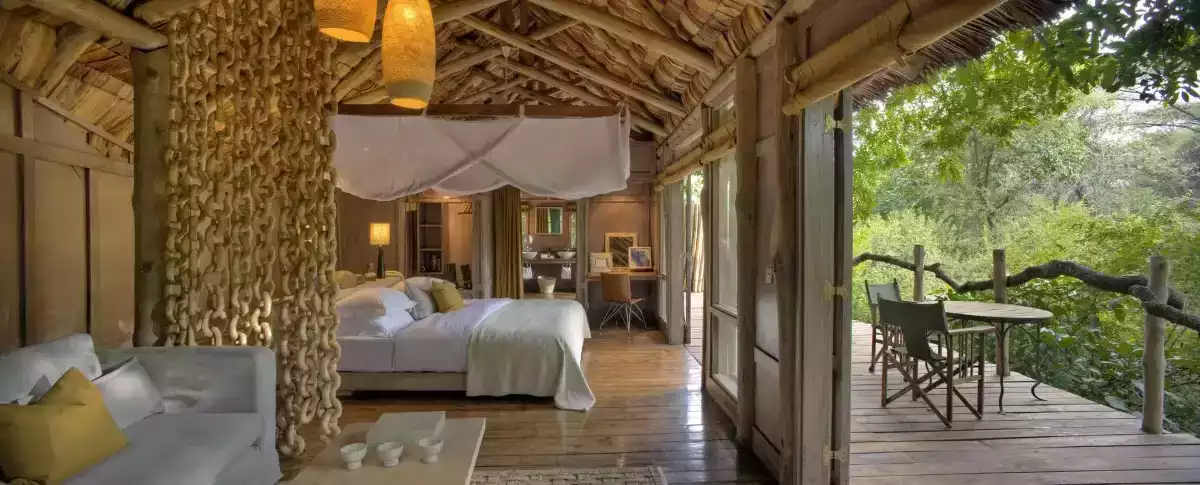
Ten days across Kenya and Tanzania, with the migration as the through line. The Best of East Africa Migration Safari runs on private bush planes, and the first hop from Nairobi to the Mara takes about forty-five minutes. You're in the air before the coffee goes cold. Nothing about the transport is an afterthought. Each flight gives you a window seat and a view that keeps opening out, and the landings put you within minutes of camp. Between flights, the game drives happen in a custom vehicle with plush seating and a discreet cooler tucked behind the last row. Your guide has spent years reading this landscape and knows where a leopard is likely to be sprawled at four in the afternoon. He also knows which acacia a cheetah favours when the grass is high, and he'll cut the engine a hundred yards out so you roll in quietly. The migration fills the calendar for good reason. Herds of wildebeest, zebra and gazelle move north through the Serengeti around July and cross into the Mara by August, and a good guide positions you on a riverbank before the herds reach the water. Our spotter, Joseph, picked a bend on the Mara River where the current slows, and we sat there for an hour without saying much. A pair of hippos kept surfacing downstream, and nobody reached for a camera. Accommodation leans generous. Tents come with a four-poster bed, a private plunge pool and enough floor space to lose a pair of sandals in. Evenings are quiet: sundowners on the verandah, cicadas starting up, the sky going copper and then grey, and dinner served whenever you drift over. A chef plates fresh seafood and grilled steaks, and the crème brûlée gets ordered twice at our table. The second tent had a writing desk by the window, and I used it exactly once to sign a postcard. It's the small things you remember. Staff learn your name on day one, remember how you take your tea, and have a cold towel waiting when the vehicle pulls back in. Nothing feels rehearsed. It simply happens, quietly, around you. Somewhere in the middle of all this, the trip stops feeling like a schedule. Animals keep their own time, though, and the crossing can shift by a day or a week depending on rain farther south, so the guides build slack into every plan. That slack turns out to be worth having. One afternoon we did nothing at all beyond watching a herd drift past camp while the clock ran on without us. You'll come back with photographs, of course, and a champagne picnic by a hippo river that your friends will study with open suspicion. Ten days at that scale changes what you expect from a morning. The tent at the second camp had a canvas door that zipped from the inside, and I never did learn the name of the bird that woke us at five each morning. |

Go Back